
Exploring the Blue Spinel District of Luc Yen, Vietnam
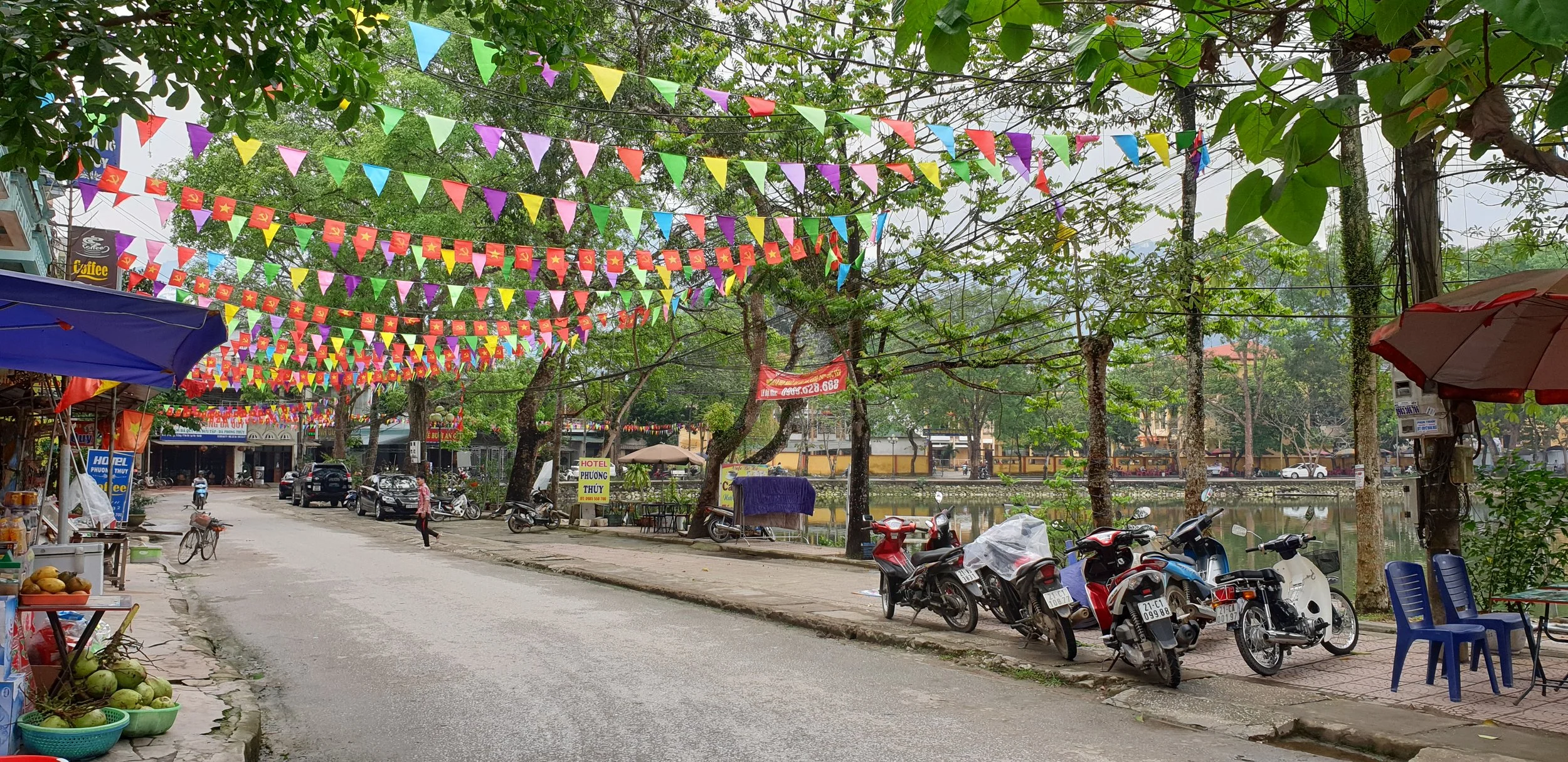
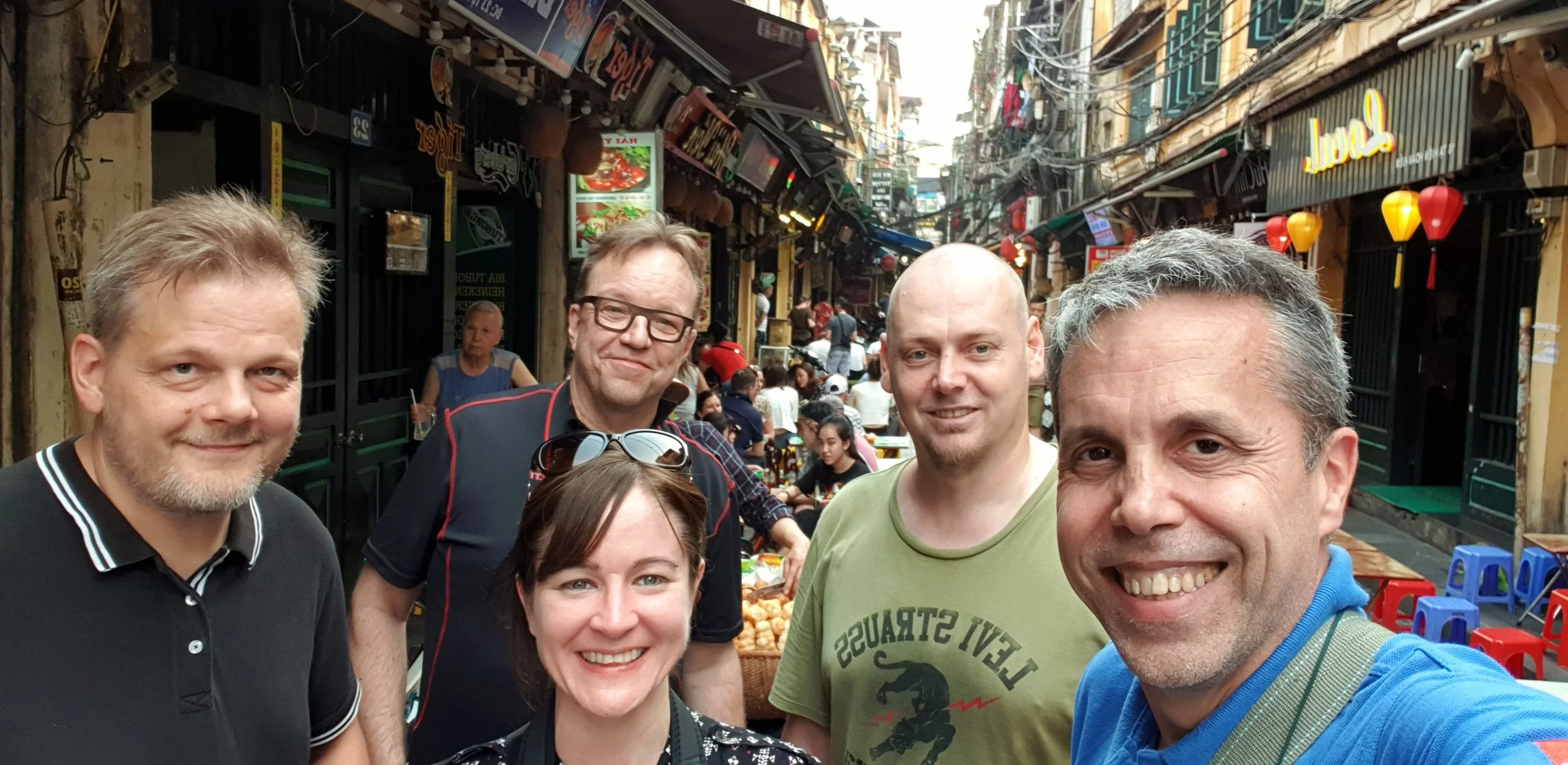
The suitcase is ready for a long-planned gemological excursion. I'm heading to see the blue cobalt spinel in the district of Luc Yen in northern Vietnam—seemingly the most consistent source of this beautiful material. This spinel has become a best-seller largely due to its typical vivid "electric blue" tone, which is practically unique among gemstones. The mining area is impervious and does not allow for industrial operations, but demand—supported by the popularity gained on the internet and the appetite of new markets like the Chinese one—has made Vietnam a top gemological destination.
Vietnam: The New Destination for Blue Spinels
Still on the plane, my destination continues to evoke something unexpected. Where am I flying to? Spinels and Vietnam, until recently, were not at the top of the travel notebooks for most gemologists and traders. The district of Luc Yen, in particular, seemed to have lost its importance after the initial flare following the discovery of ruby, sapphire, and spinel deposits thirty years ago.
However, over the last ten years, the exploitation of electric blue cobalt spinel has suddenly pushed quotations to unimaginable highs, reviving interest in these deposits, which have served as a primary global source since 2000.
The internet revolution has greatly influenced the world of gems, canceling distances and eliminating old trade barriers. This has generated waves of new trends, much like those for Paraiba tourmaline or Tsavorite. These stones, because of their high prices, are redefining the age-old concept that once restricted "precious" gems to only the traditional four.
Riding Scooters
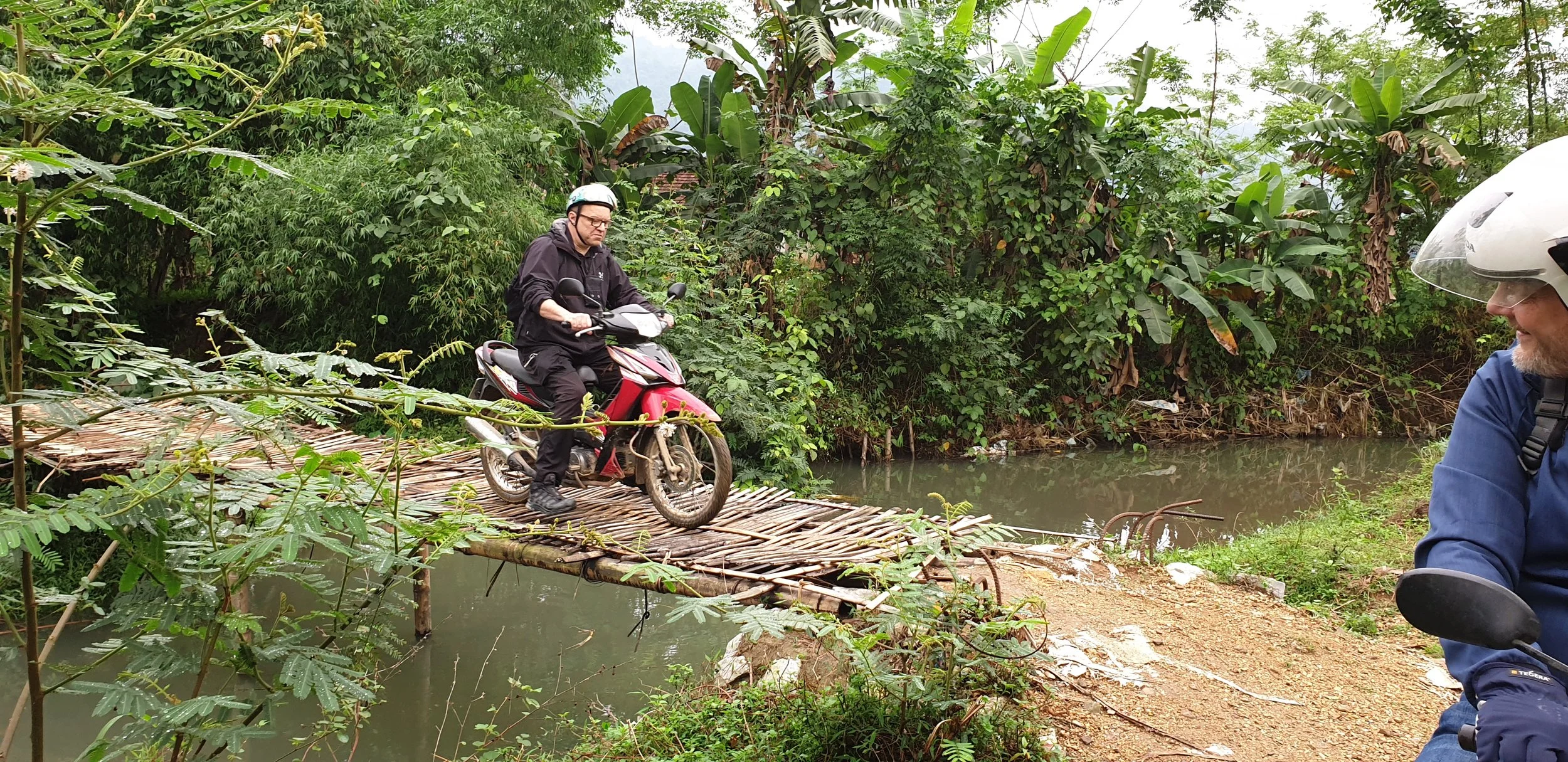
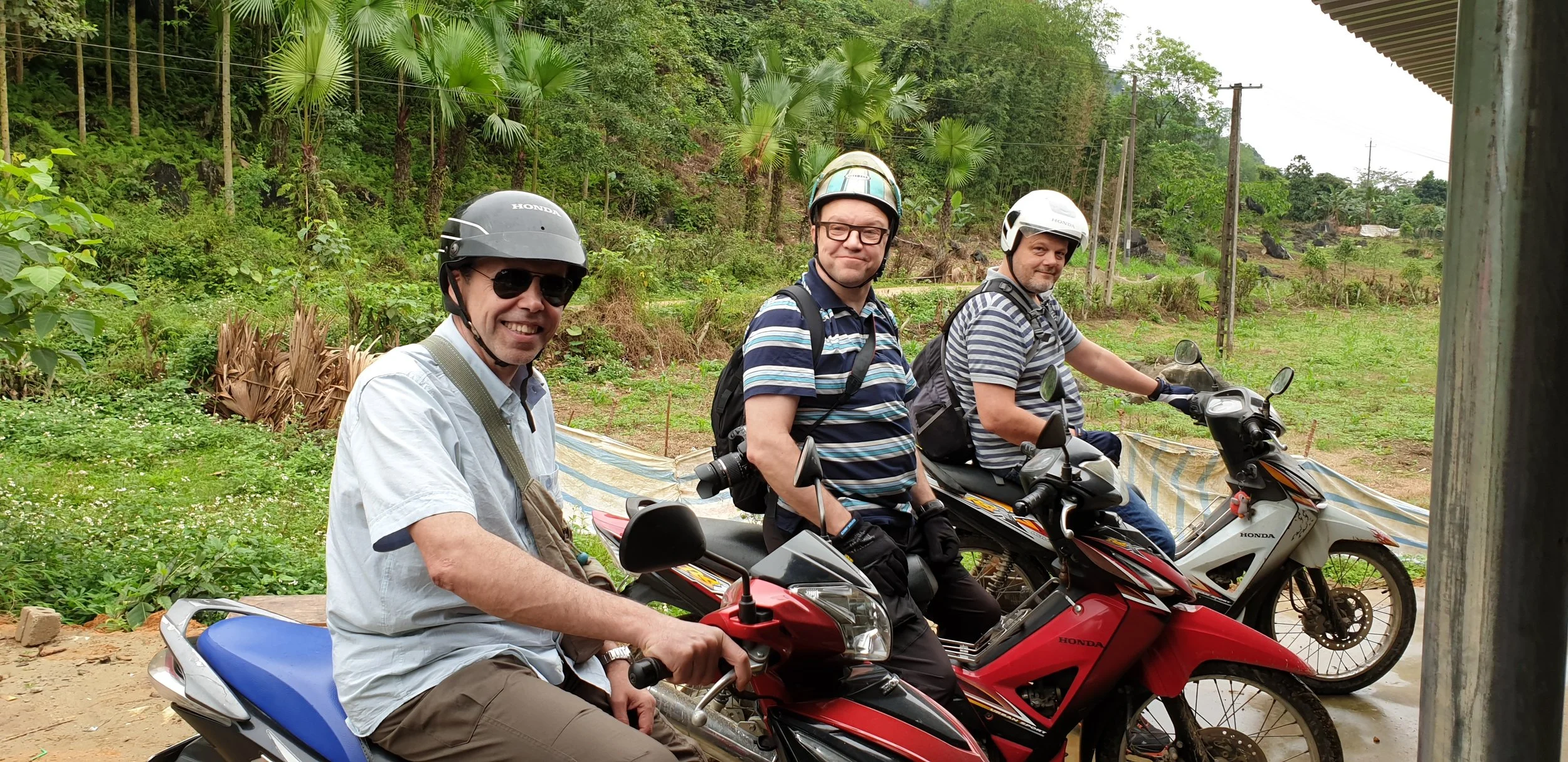

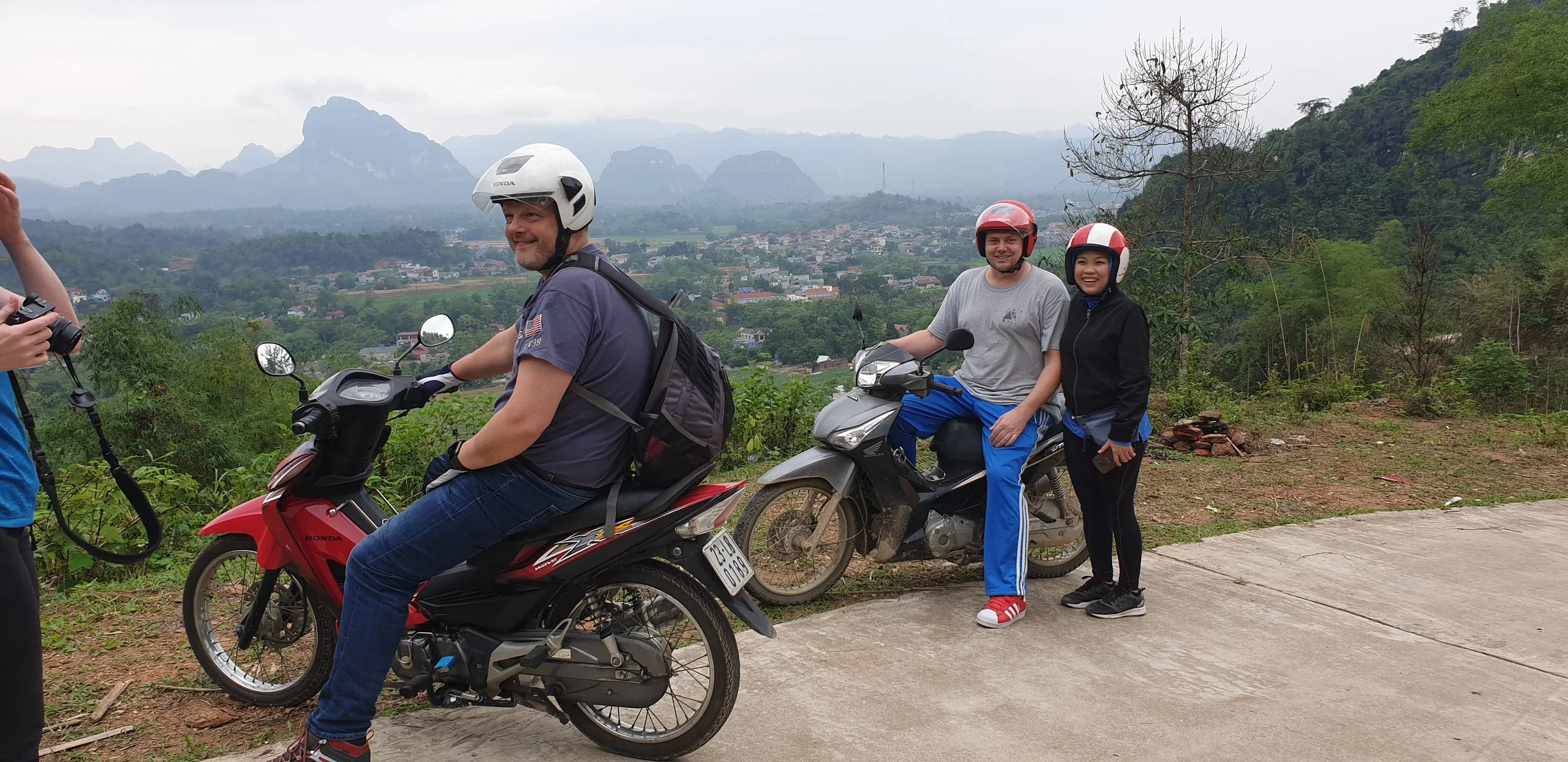
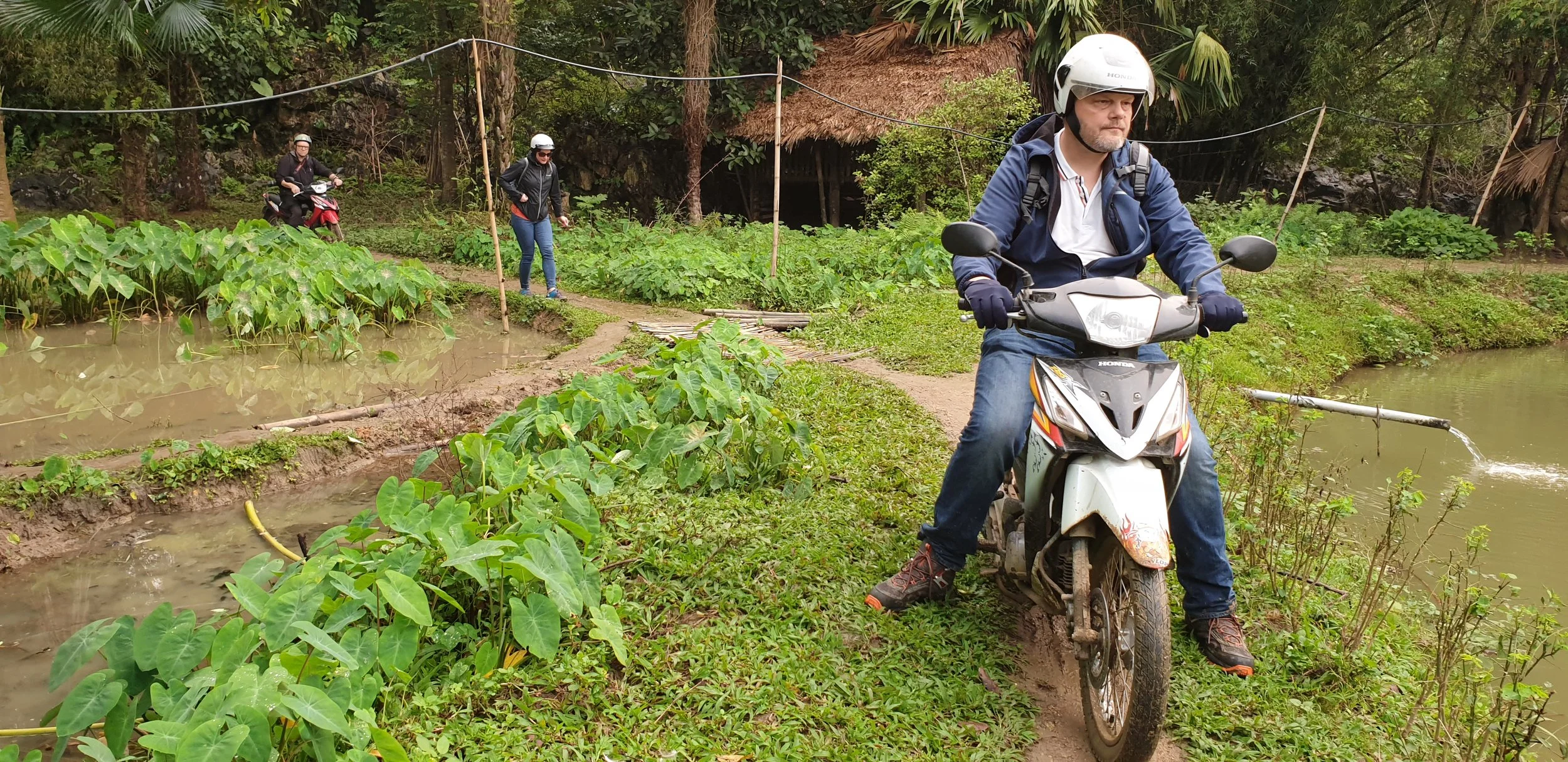
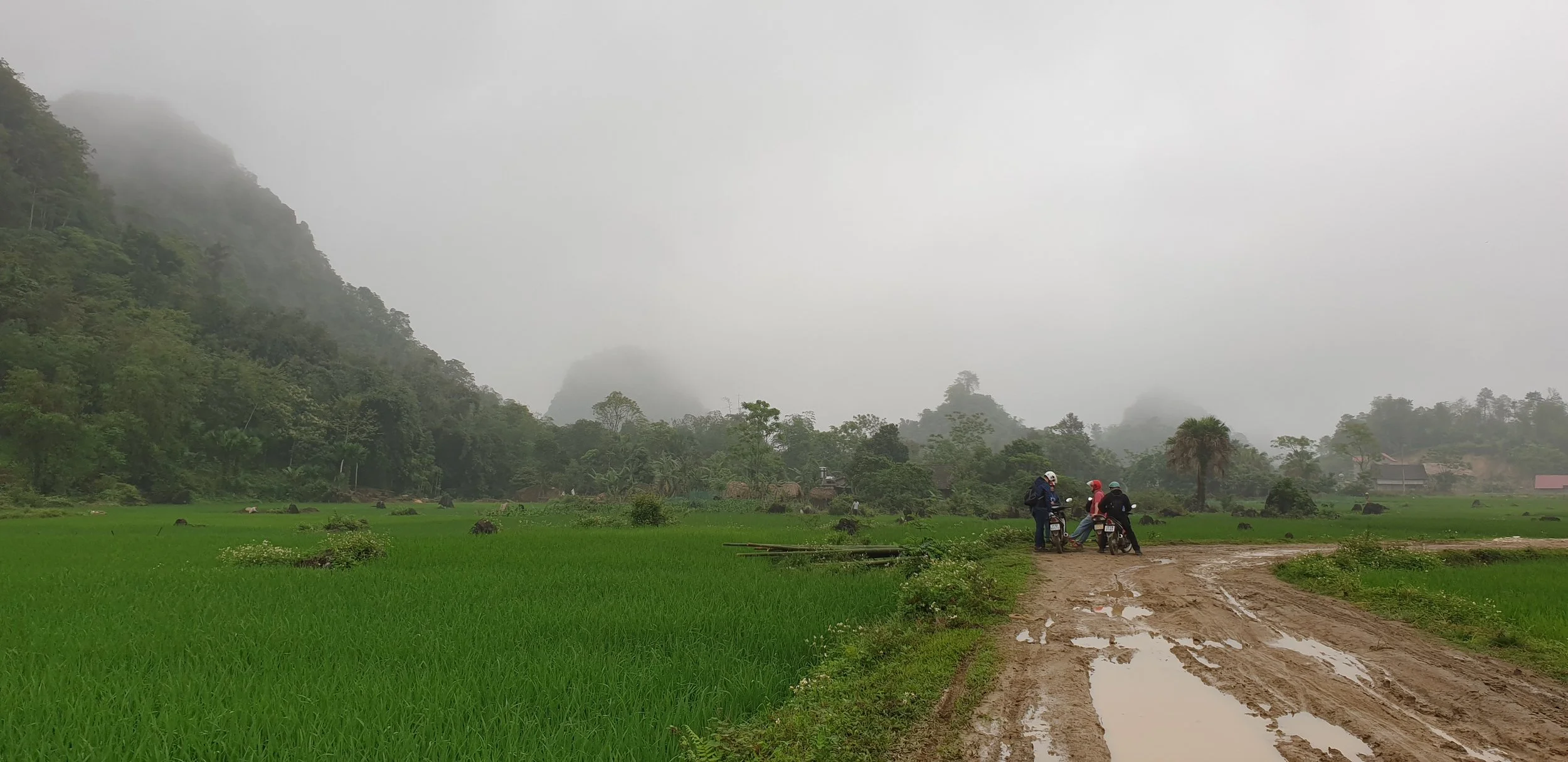
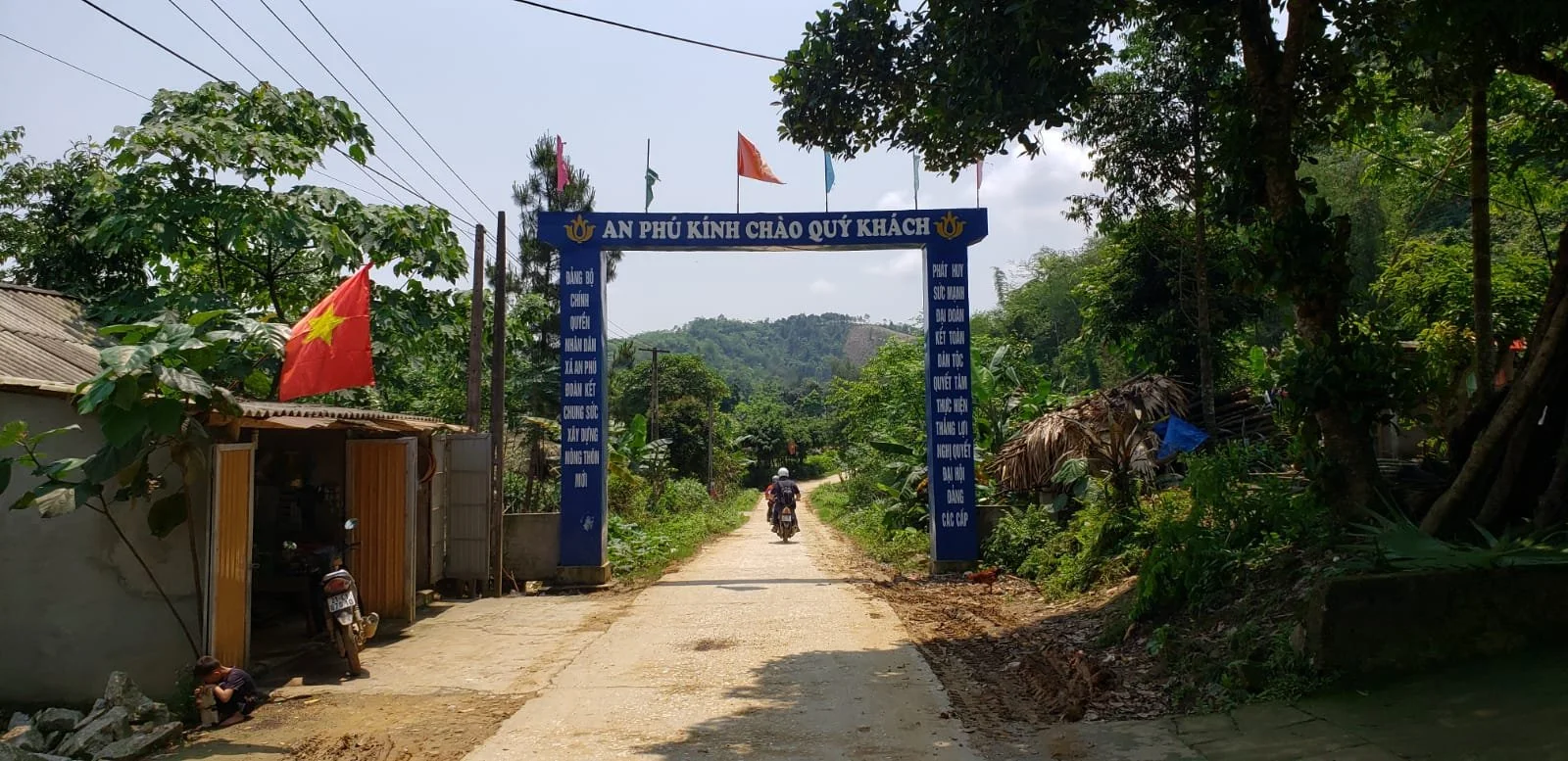
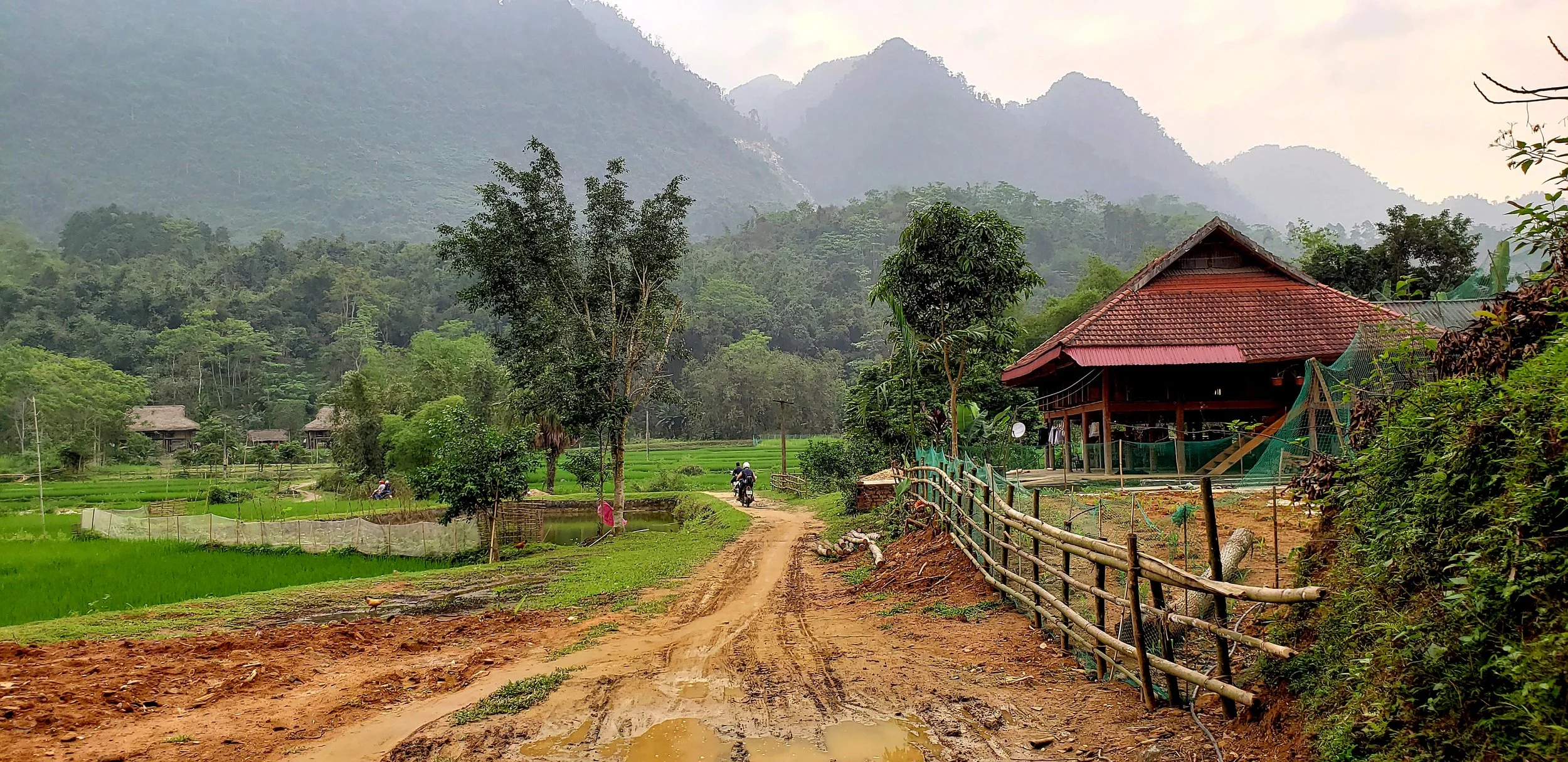
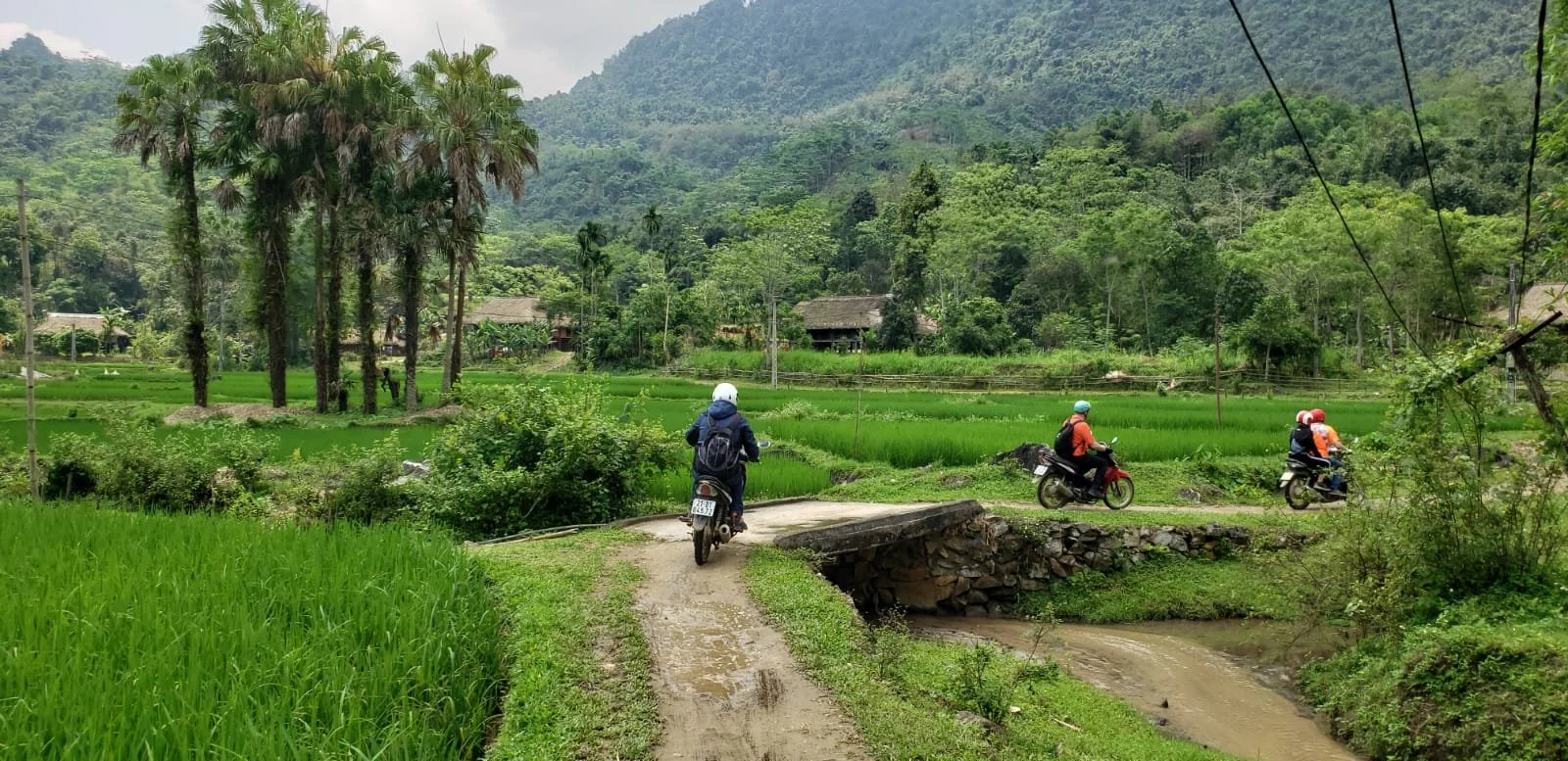
To move around the district, we take a scooter—the most practical and economical vehicle. As I move, it seems local residents are not accustomed to the presence of foreigners; the usual buyers are mostly Vietnamese or Thai traders. This is one of the few corners of the planet where modern Western indicators haven't arrived yet; forget about Starbucks or McDonald's.
My local guide often stops the scooter at the side of the road, perhaps following an imperceptible signal from a resident. With the engine still running, a negotiation quickly starts over stones that are pulled from who knows where. These interactions last from a handful of seconds to a couple of minutes at most.
In Luc Yen, it feels like there are substantial quantities of gems in the pockets of every single person, ready for sale. Yet, there is a certain discretion perceived as a common trait—a kind of timidity while showing the stones. Proposals only come once a real possibility of a sale is perceived. No time-wasters.
What You See at the Market: Where is the “Windex Blue”?
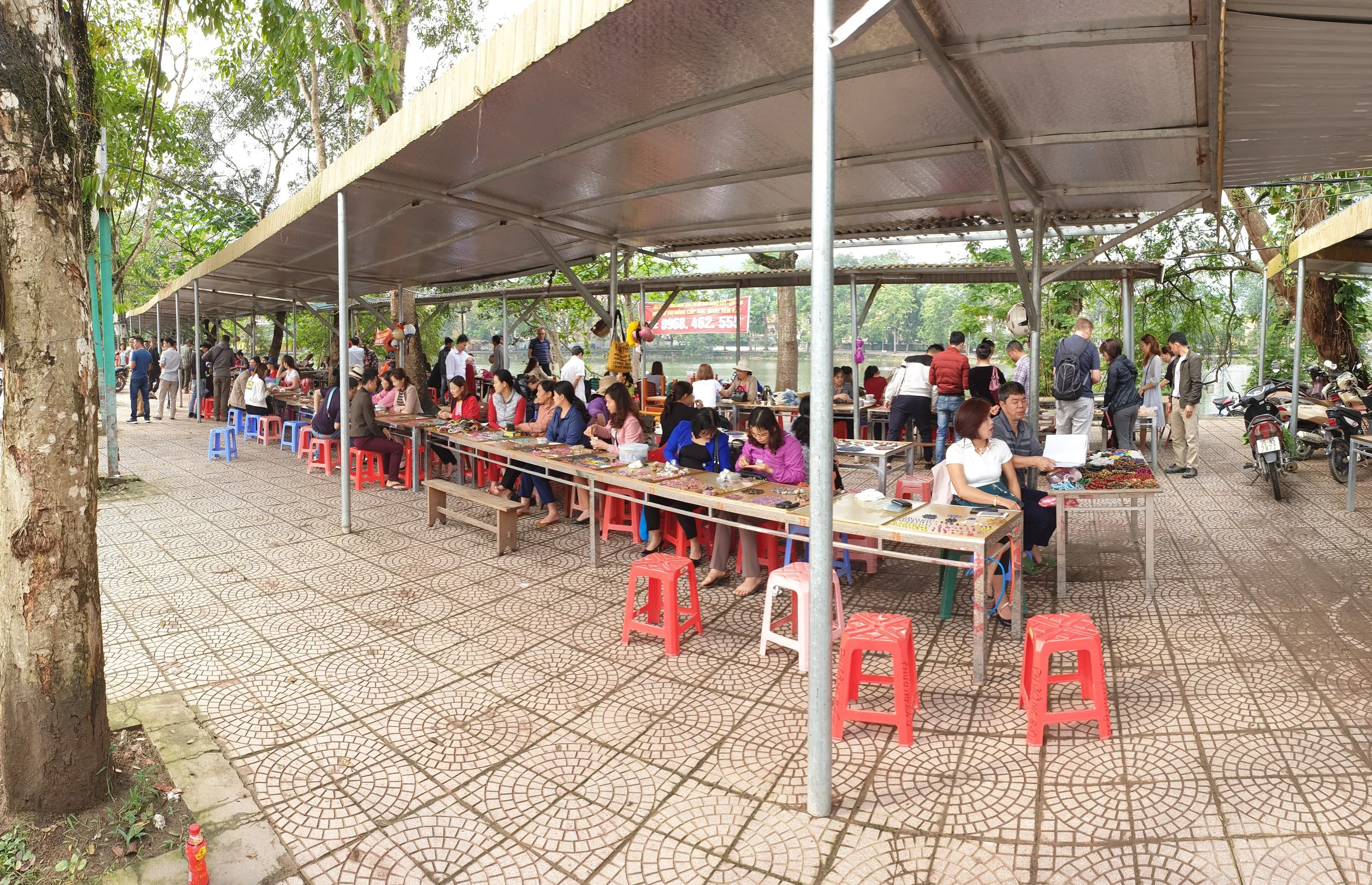
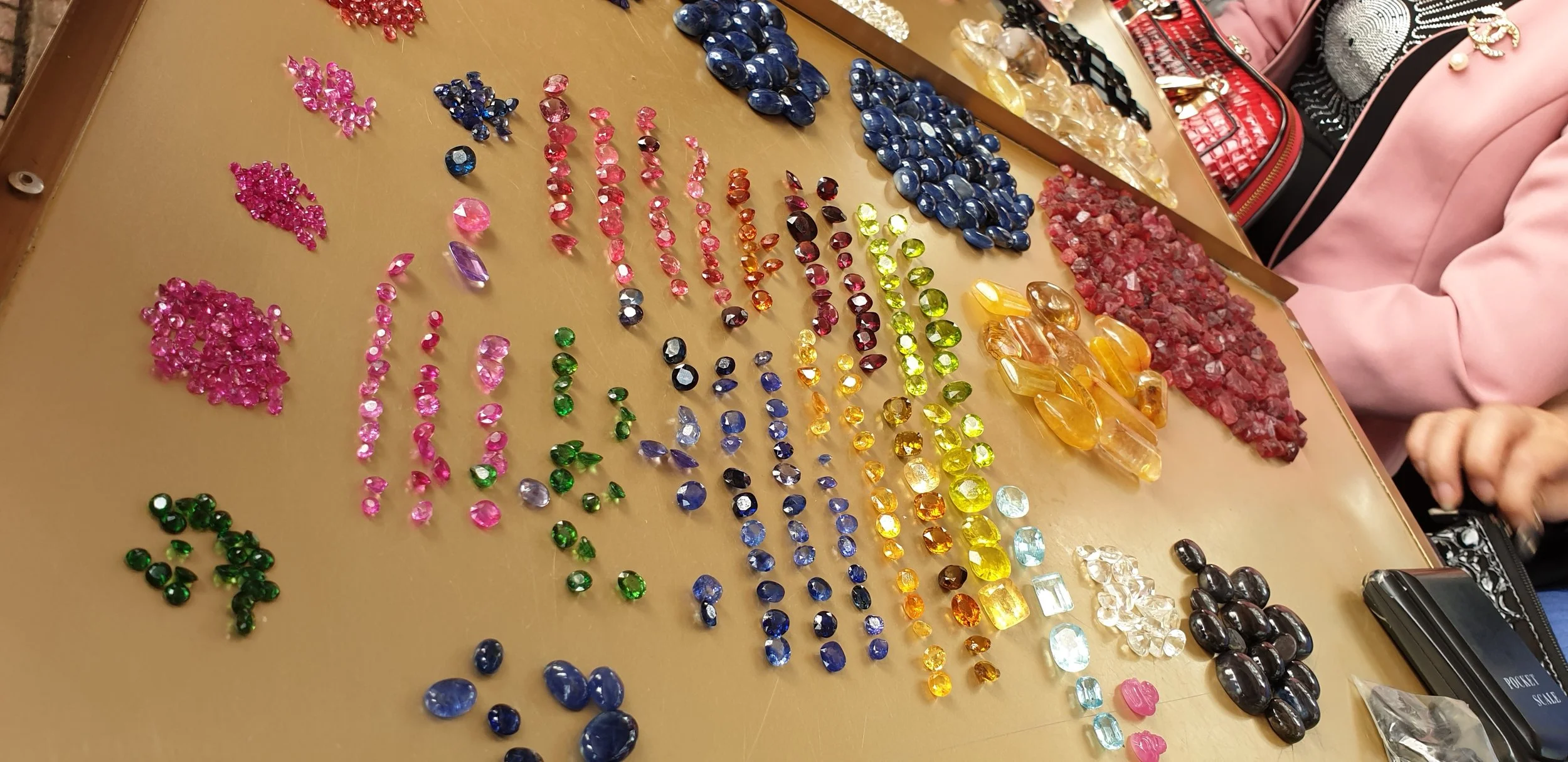
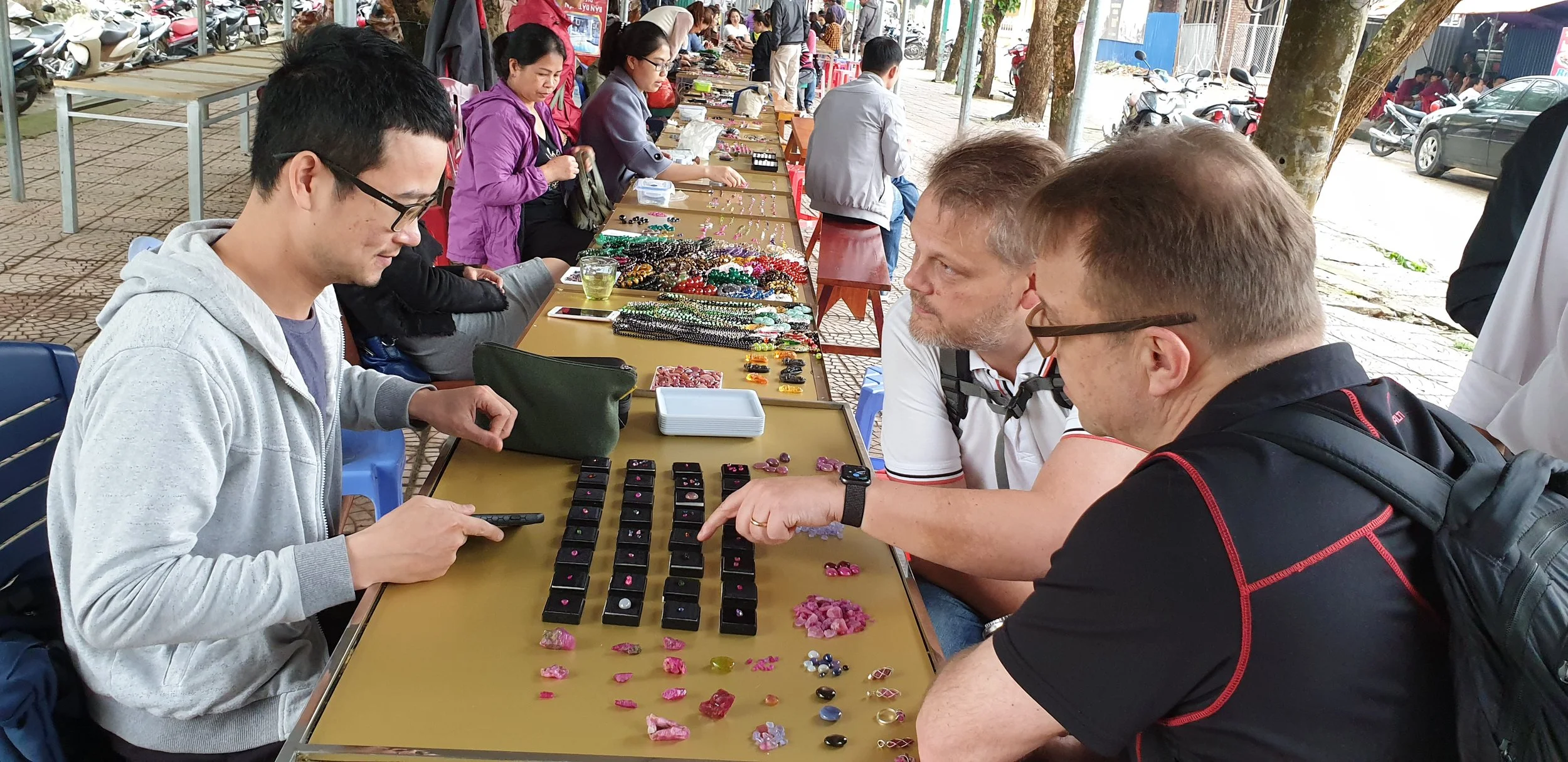
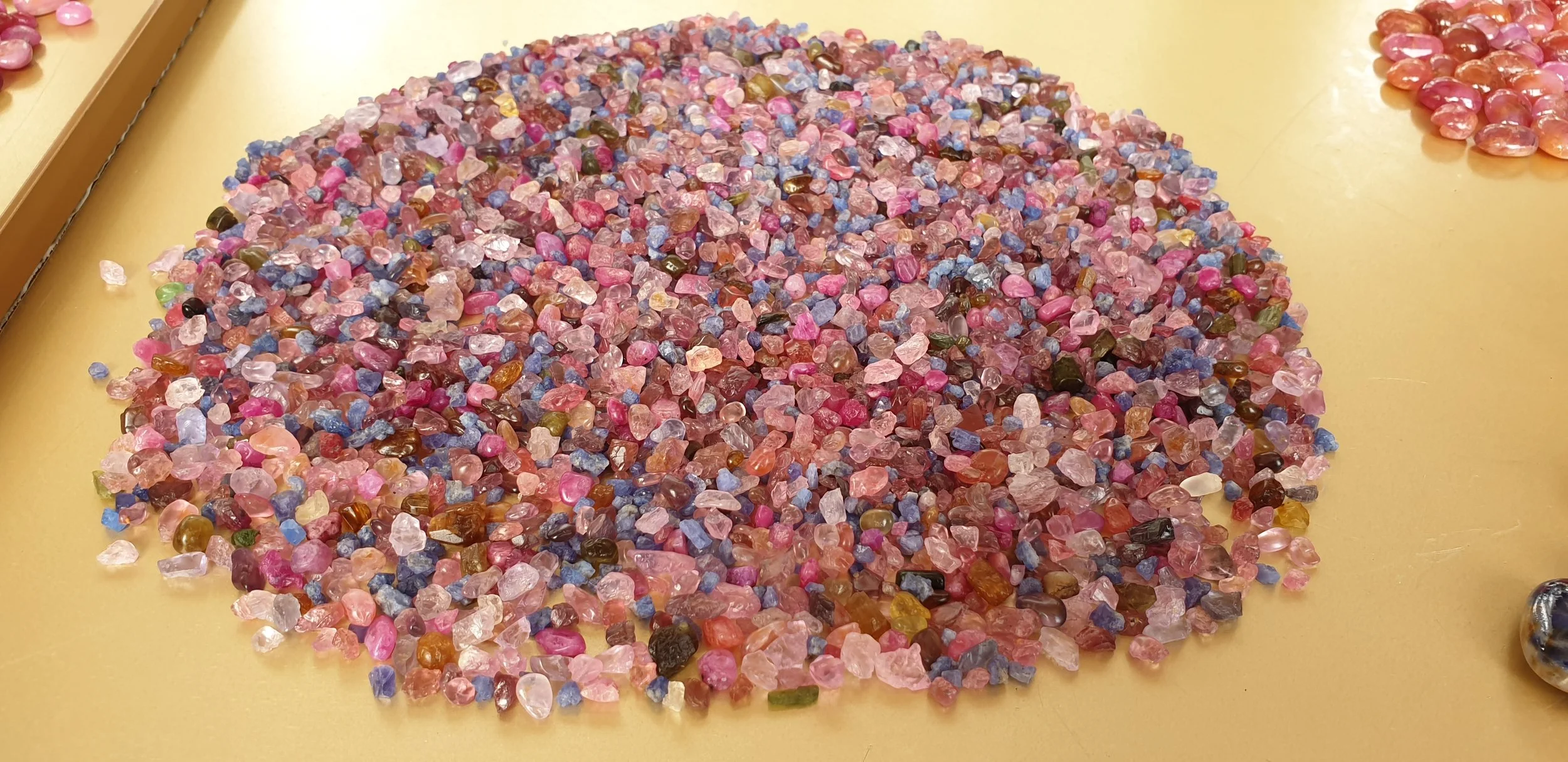
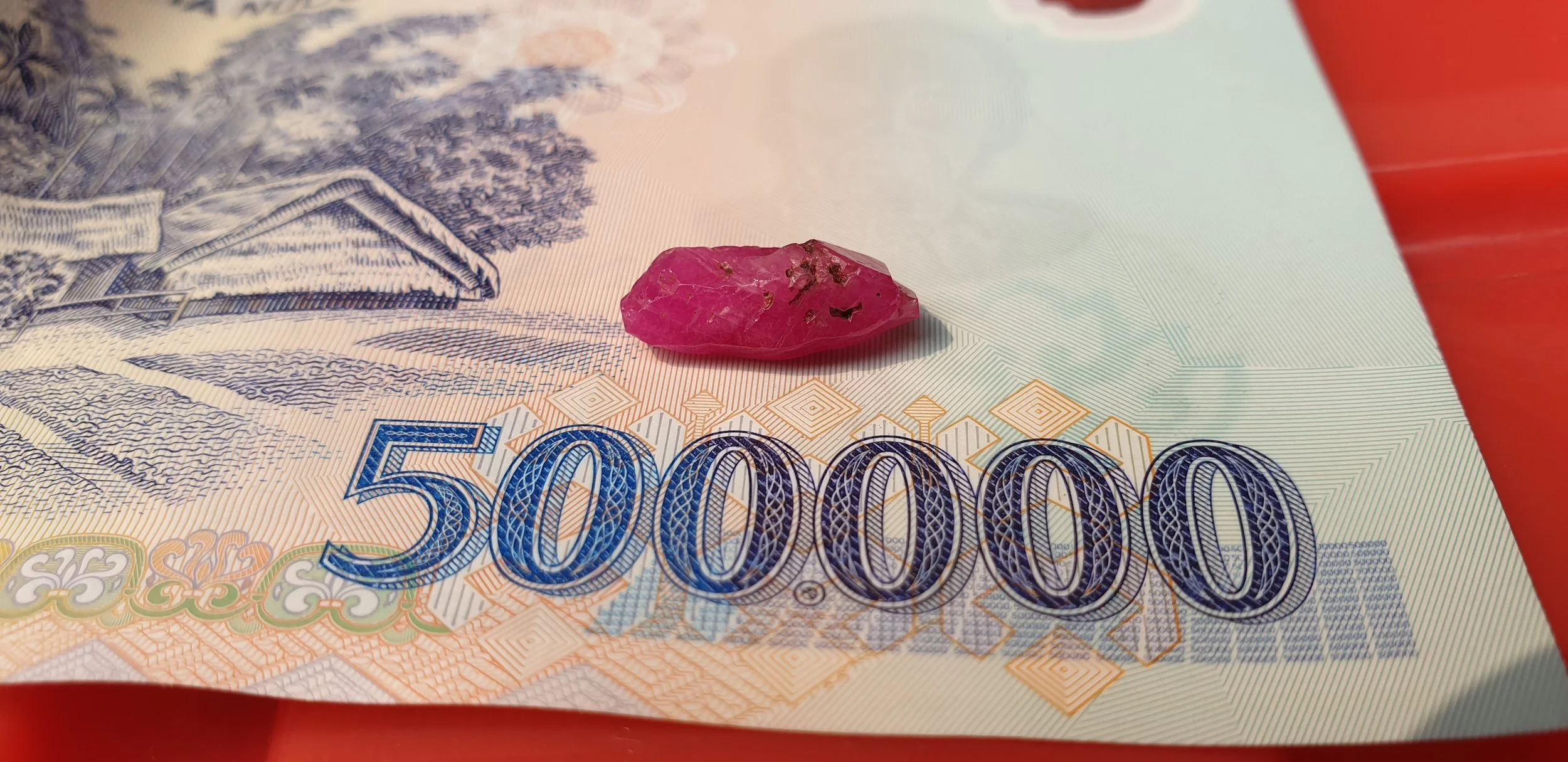
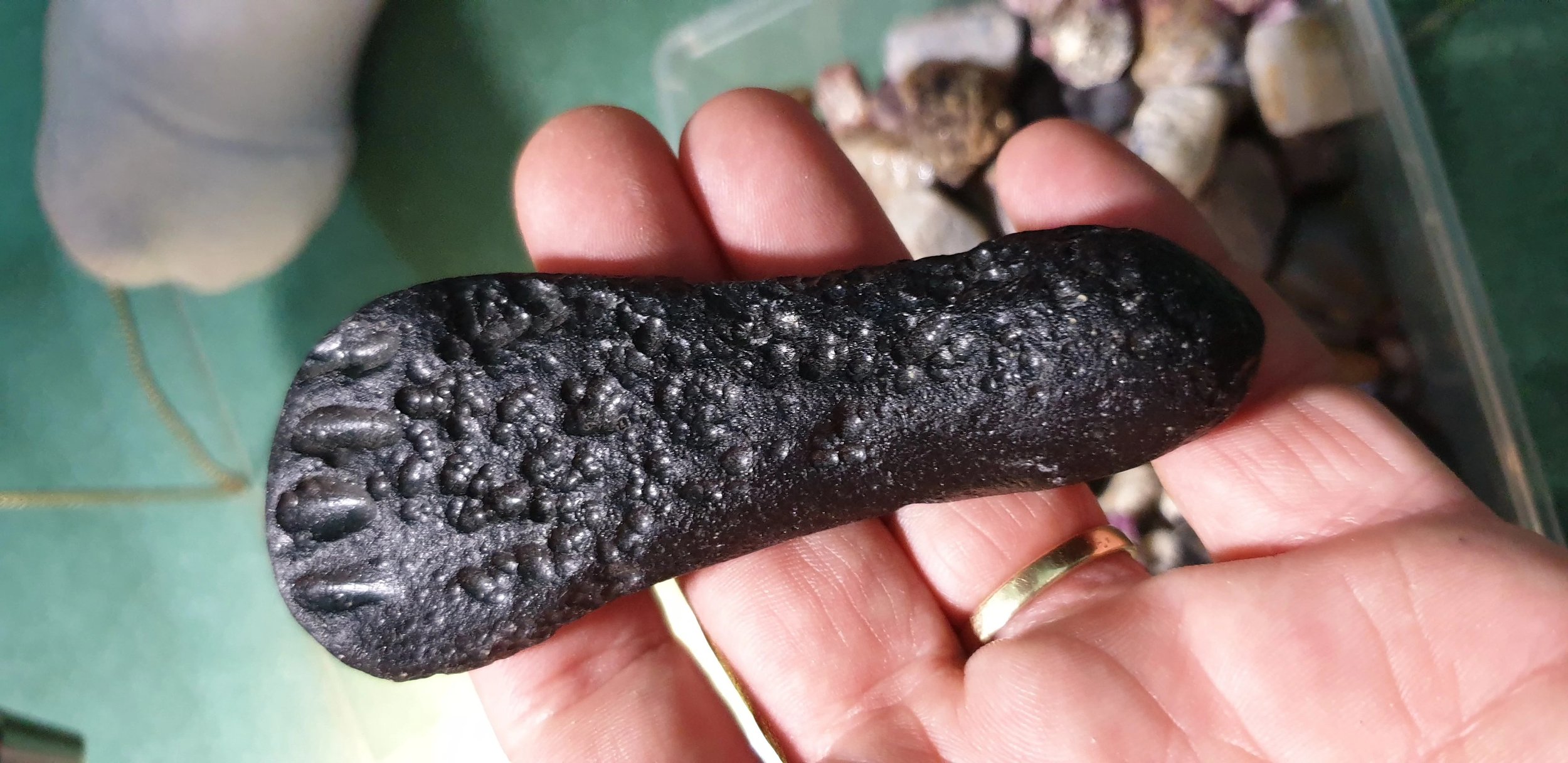
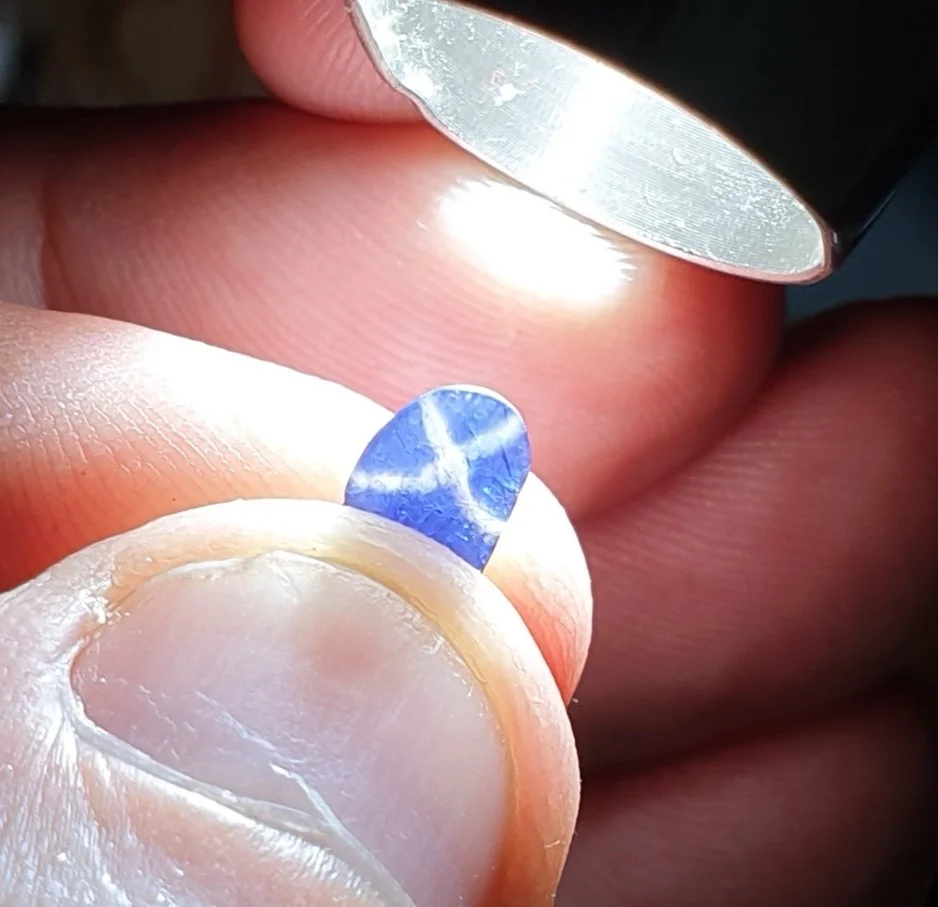
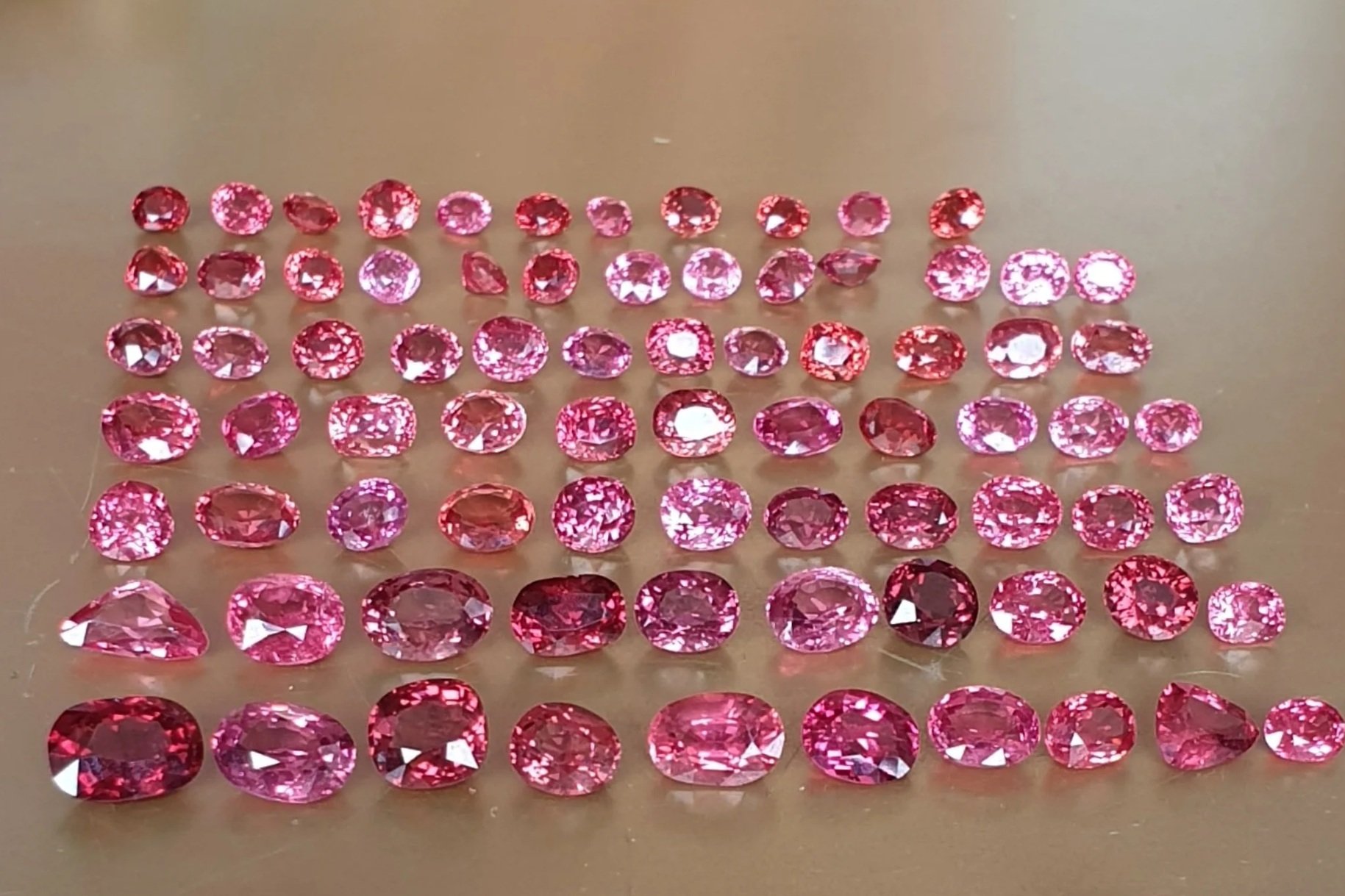
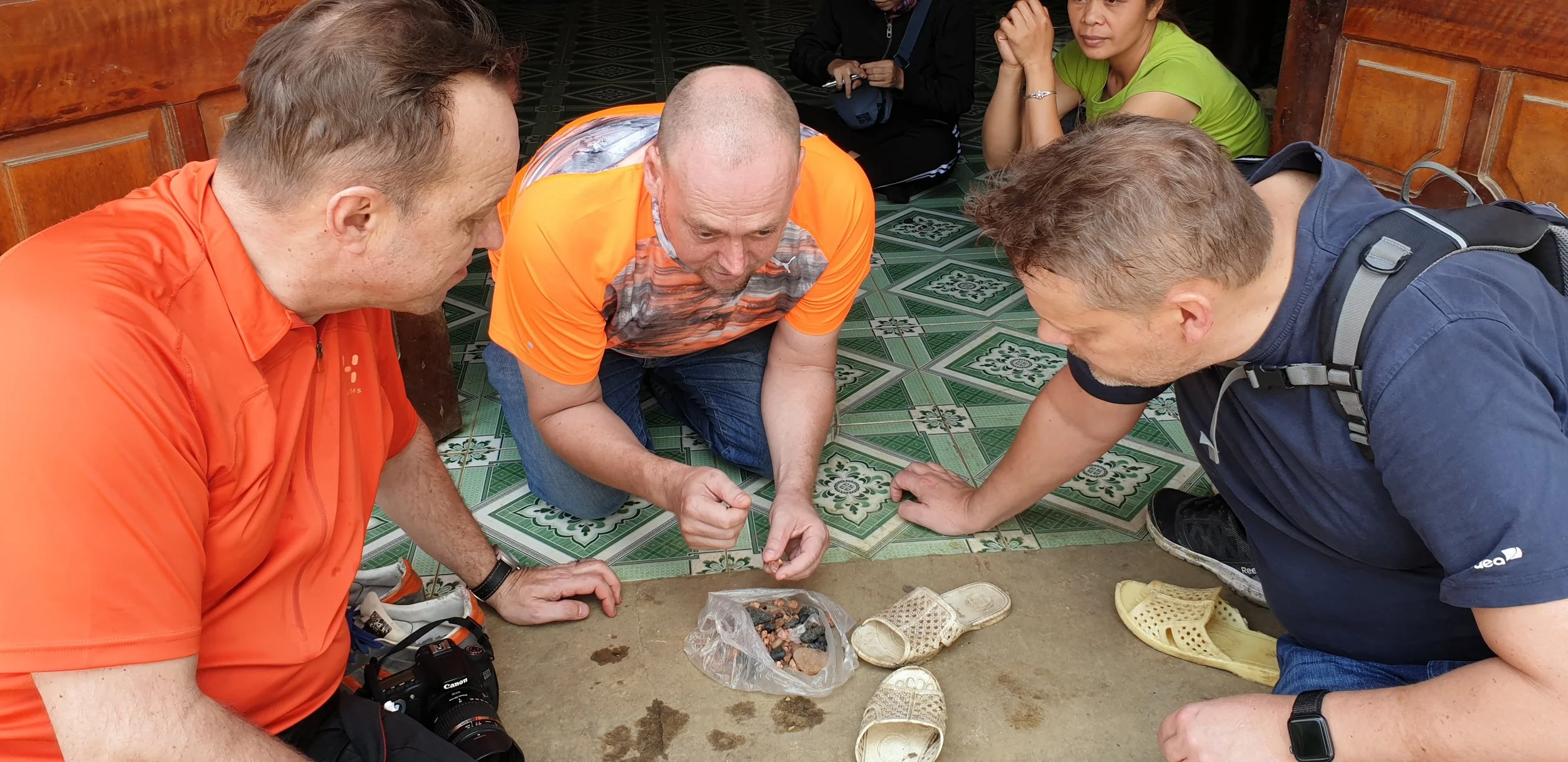
The gem market, active since the early 1990s, remains a place to be explored. We lurk at the edge of the trade area as it comes to life every morning around 8:30 AM. Slowly, women begin to place gems on long tables with meticulous precision. Buyers arrive, and exchanges intensify in a natural, friendly way without frenzy.
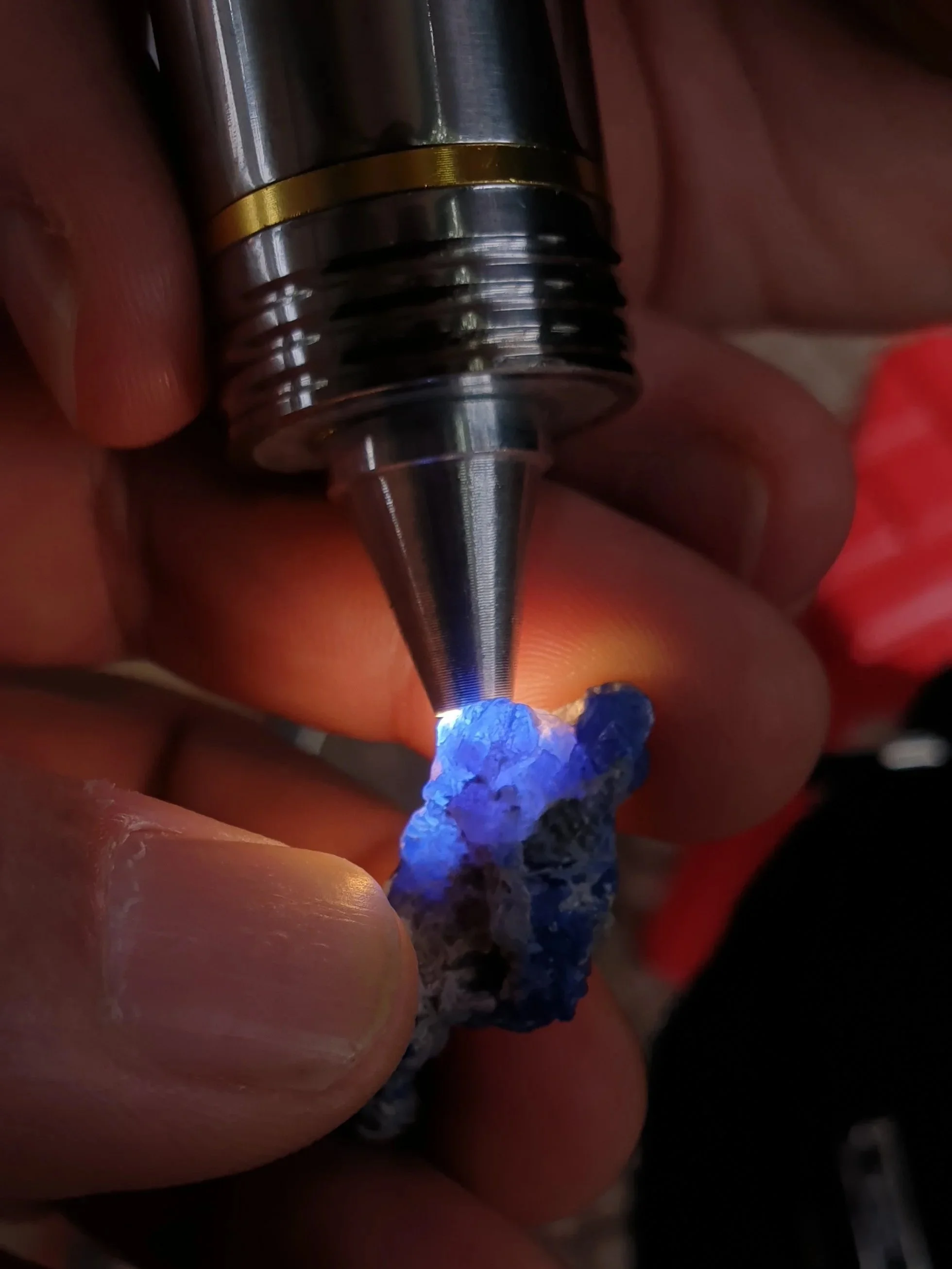
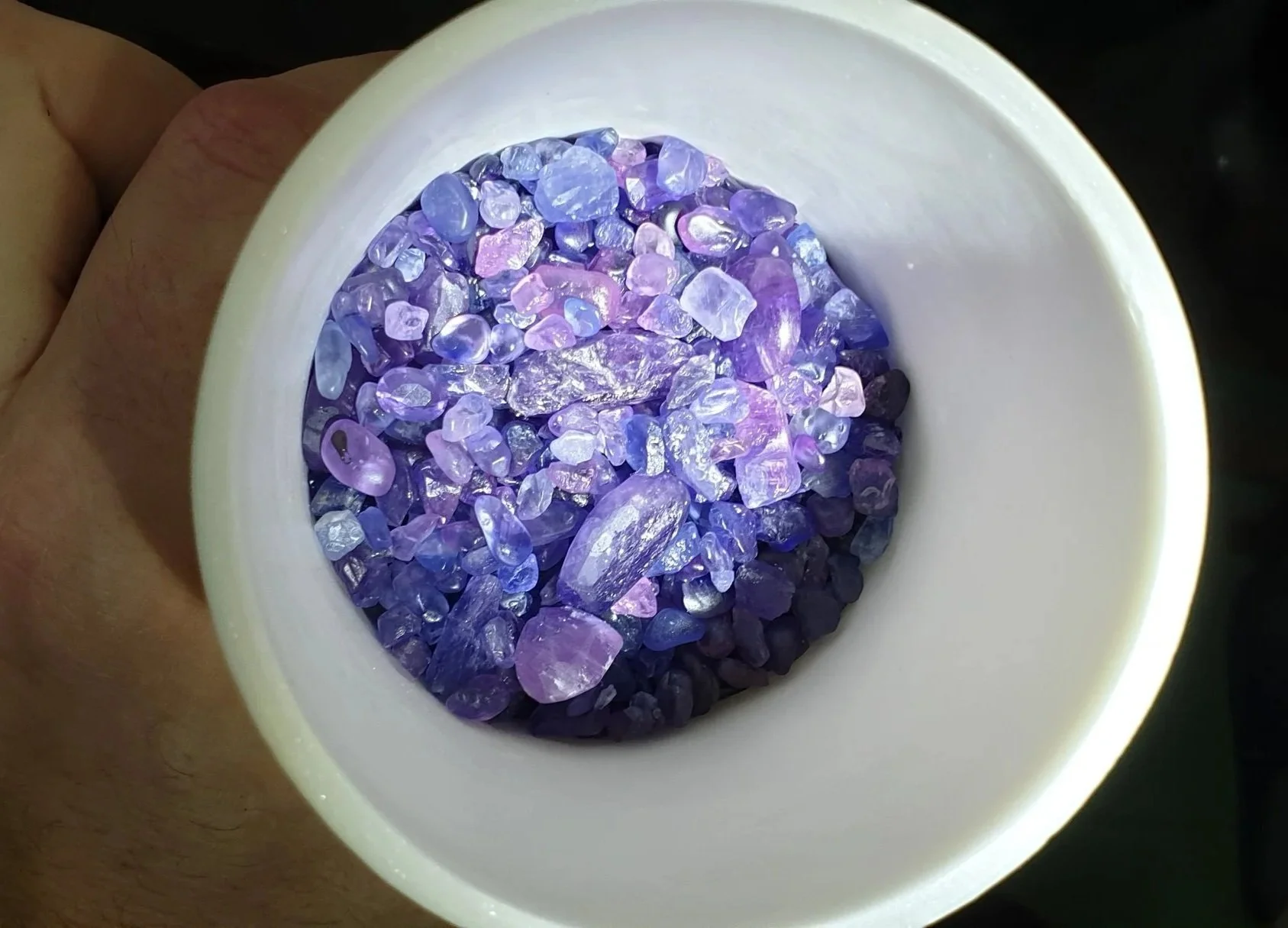
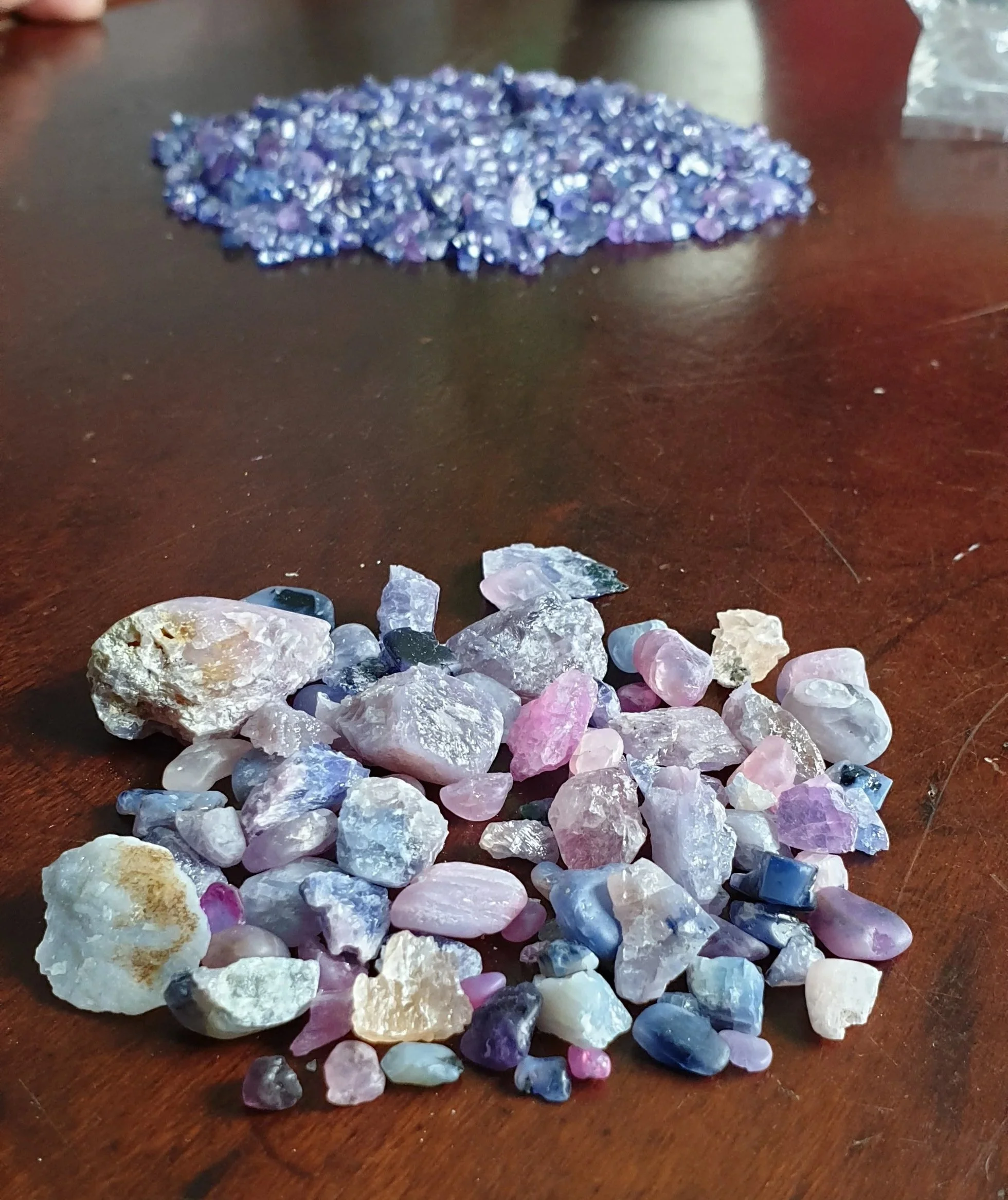
The mythological “Windex blue” spinels are the reason I arrived, but as my gaze ranges from piles of rough to neat rows of cut stones, I realize how scarce this material really is. Most are pinkish-red, orange, pink, or steely blue, ranging from 0.50 to 2 or 3 carats.
Geir, our extraordinary host and a well-known trader who regularly attends this market, spent the morning wandering the market. While I was frantically searching for the mythological spinel, Geir shifted slyly from one bench to another. People approached him, pulled objects from their pockets, and passed them to Geir, who would inspect them immediately under his torch. This is how the most interesting stones are traded: few words, no time-wasters.
Pounding Minerals for Paintings
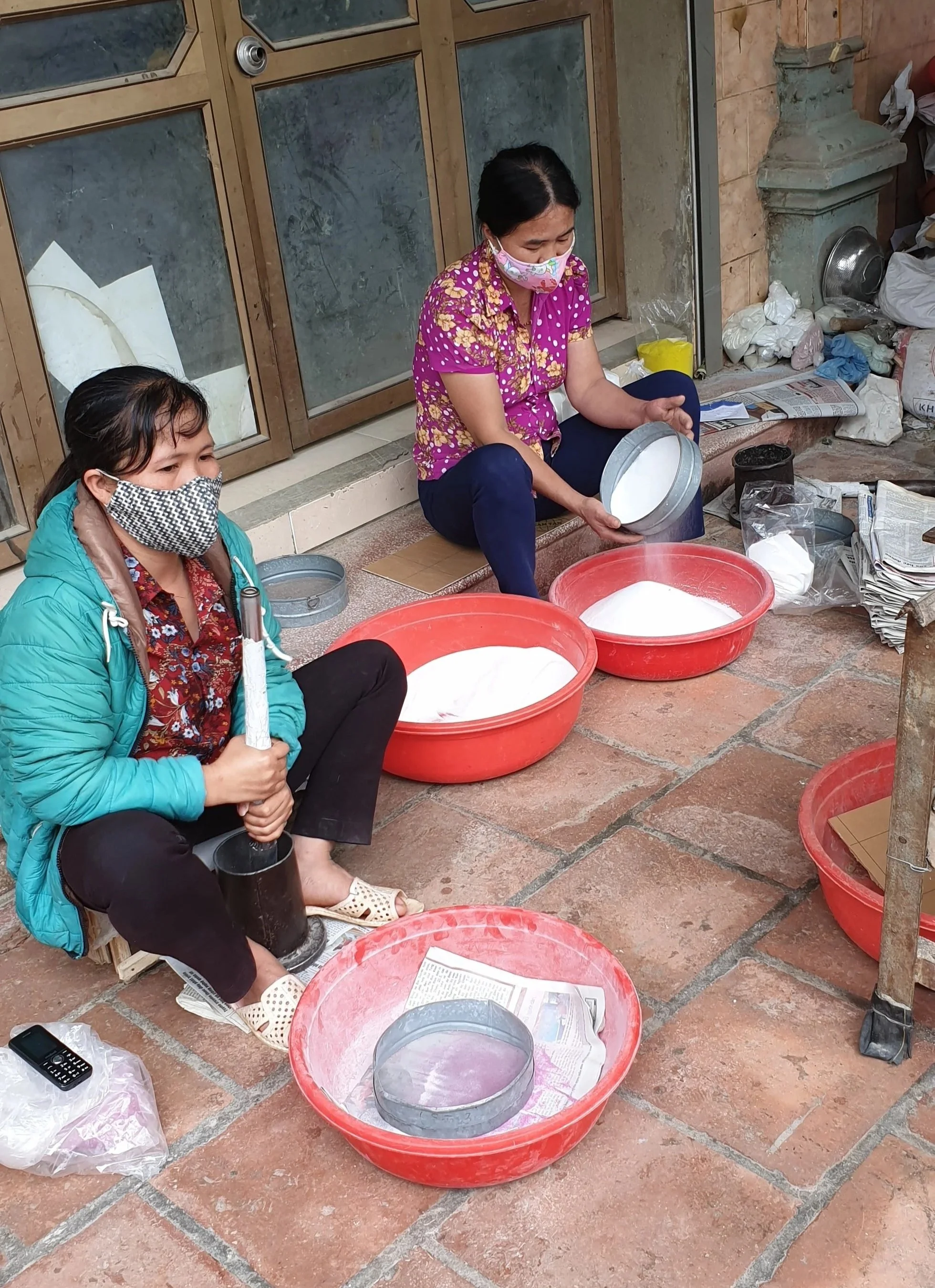
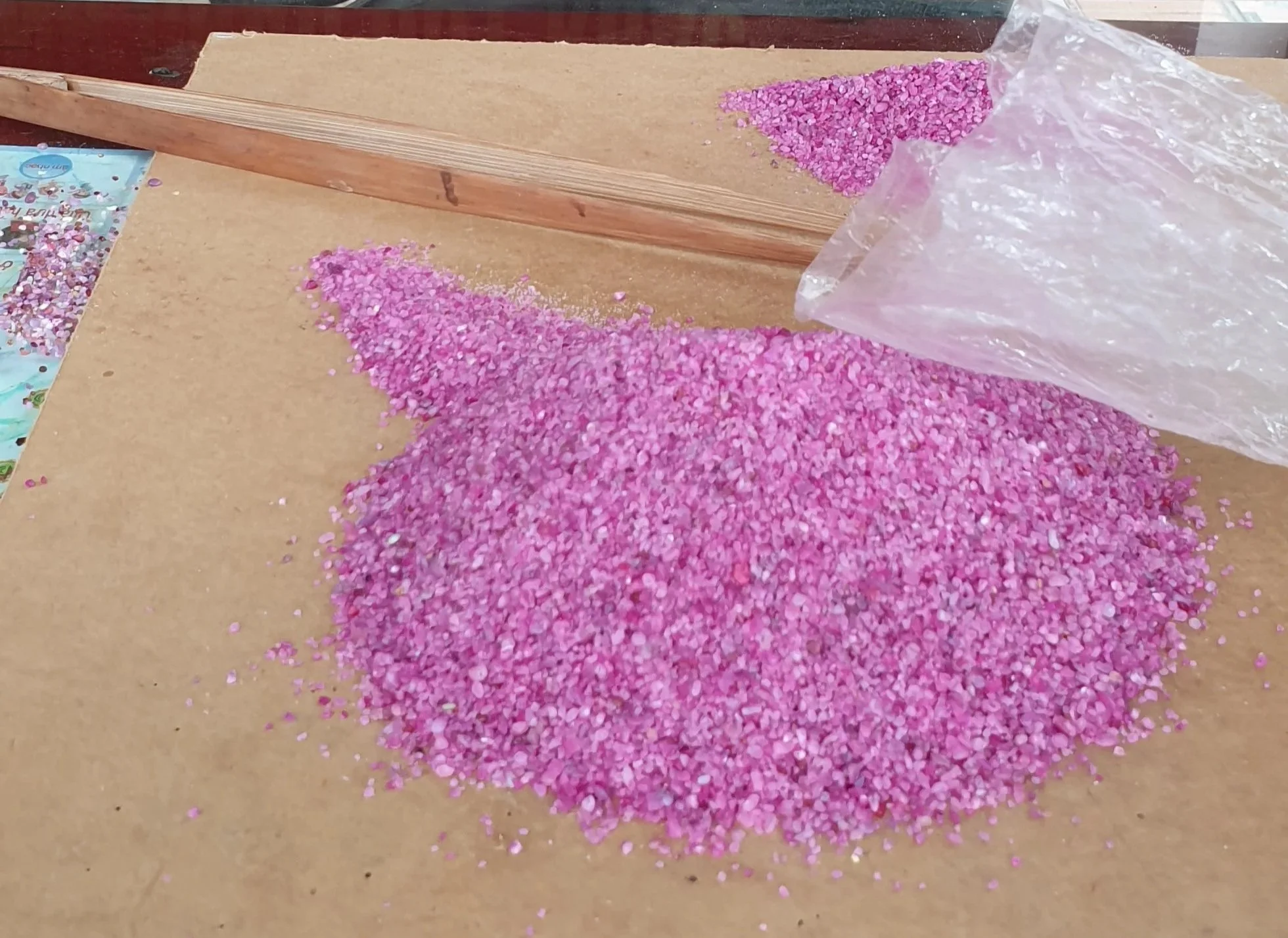
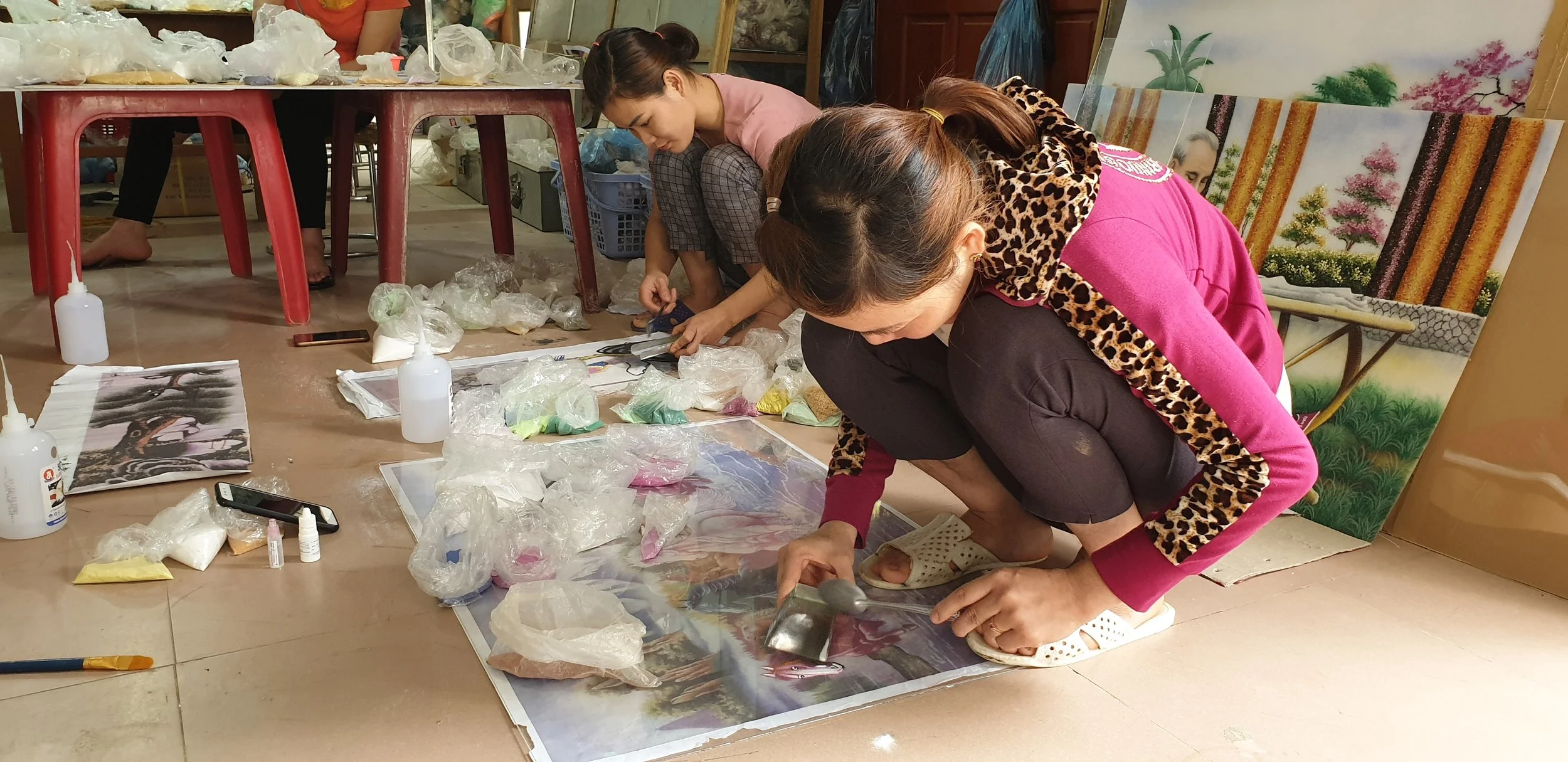
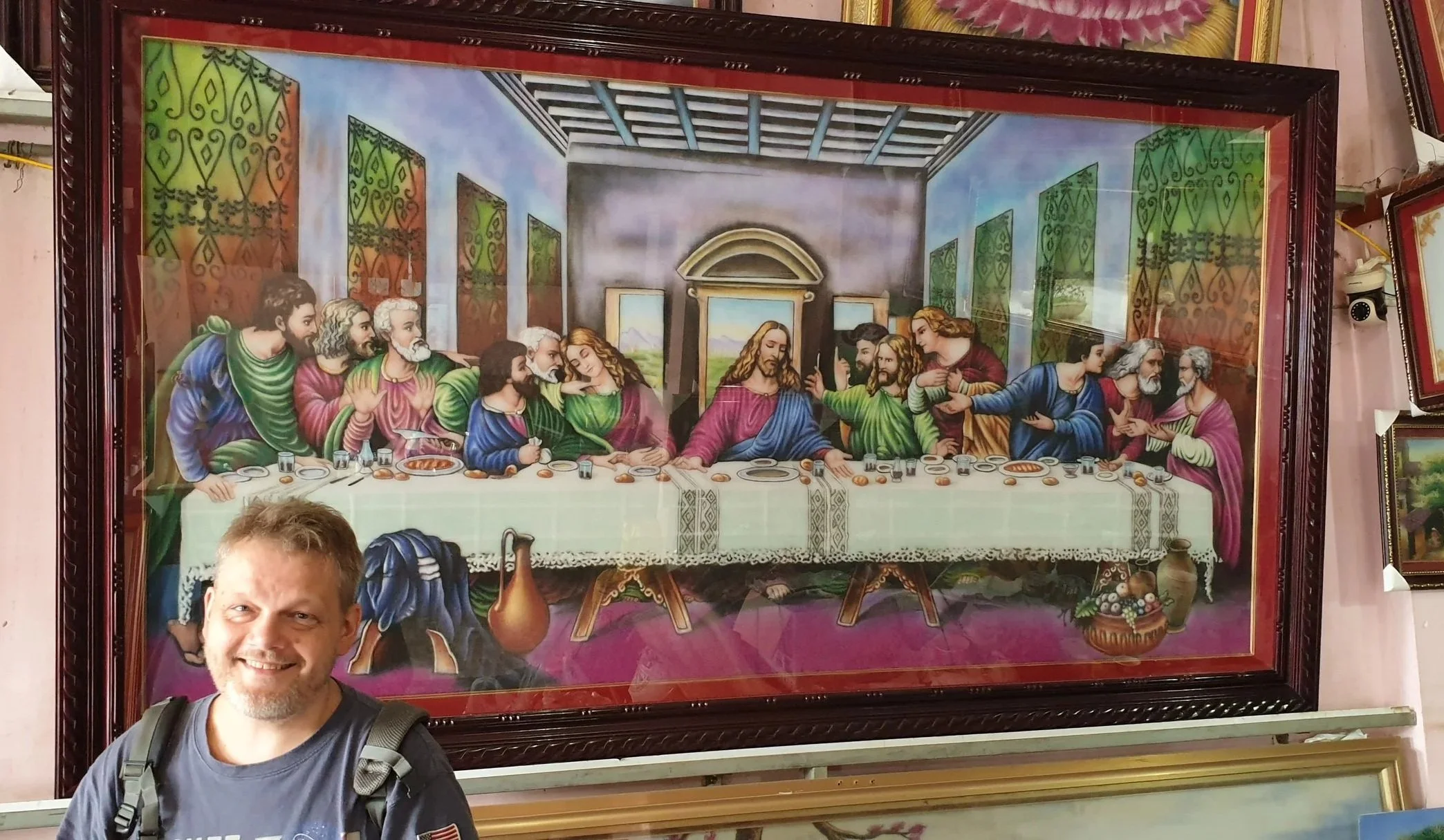
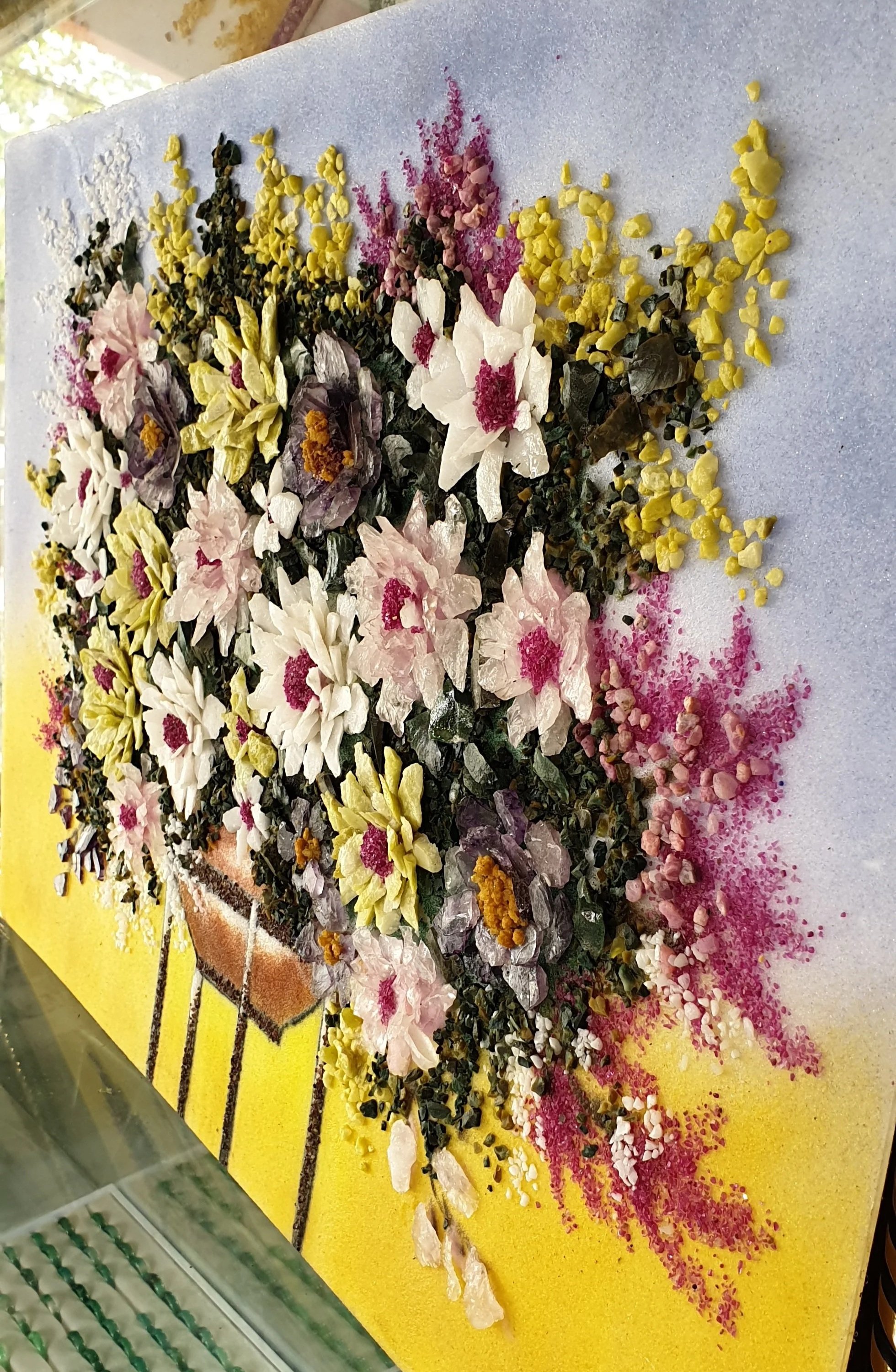
A few meters away, three girls squatting on the pavement violently pound their mortars. One is sifting through a very fine blue powder that looks like flour. They are reducing stones to powder! Inside the building, other girls are at work, bending over large drawings, methodically setting colored powder along the lines.
The creation of these "gemstone paintings" is a fruitful activity that offers stable financial support to the community. It is also the only way to take advantage of the enormous quantity of rough material that is too small to be worth faceting.
A Strenuous Tour: The Ascent to May Trung
Access to mining sites is heavily subject to weather conditions. The narrow passages opened in the rainforest by machetes are demanding and dangerous. Even with high-tech boots, the thin marble blades, covered with perennially wet moss, offer no sure grip, and a single wrong step can be fatal.
To reach the May Trung primary deposit, we rode a scooter to the base. Along the route, we stopped near houses where residents emerged with rough gemstones for sale.
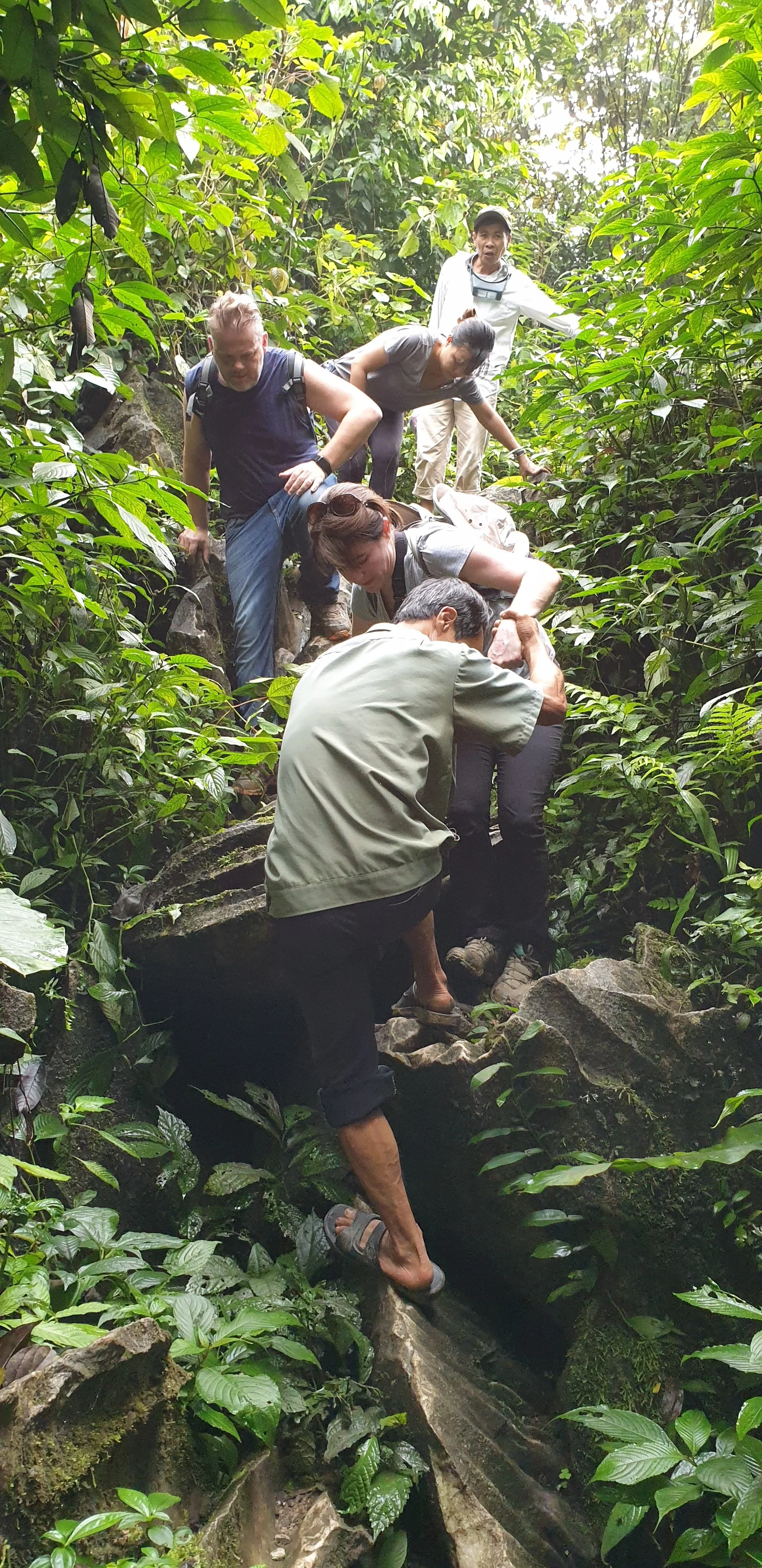
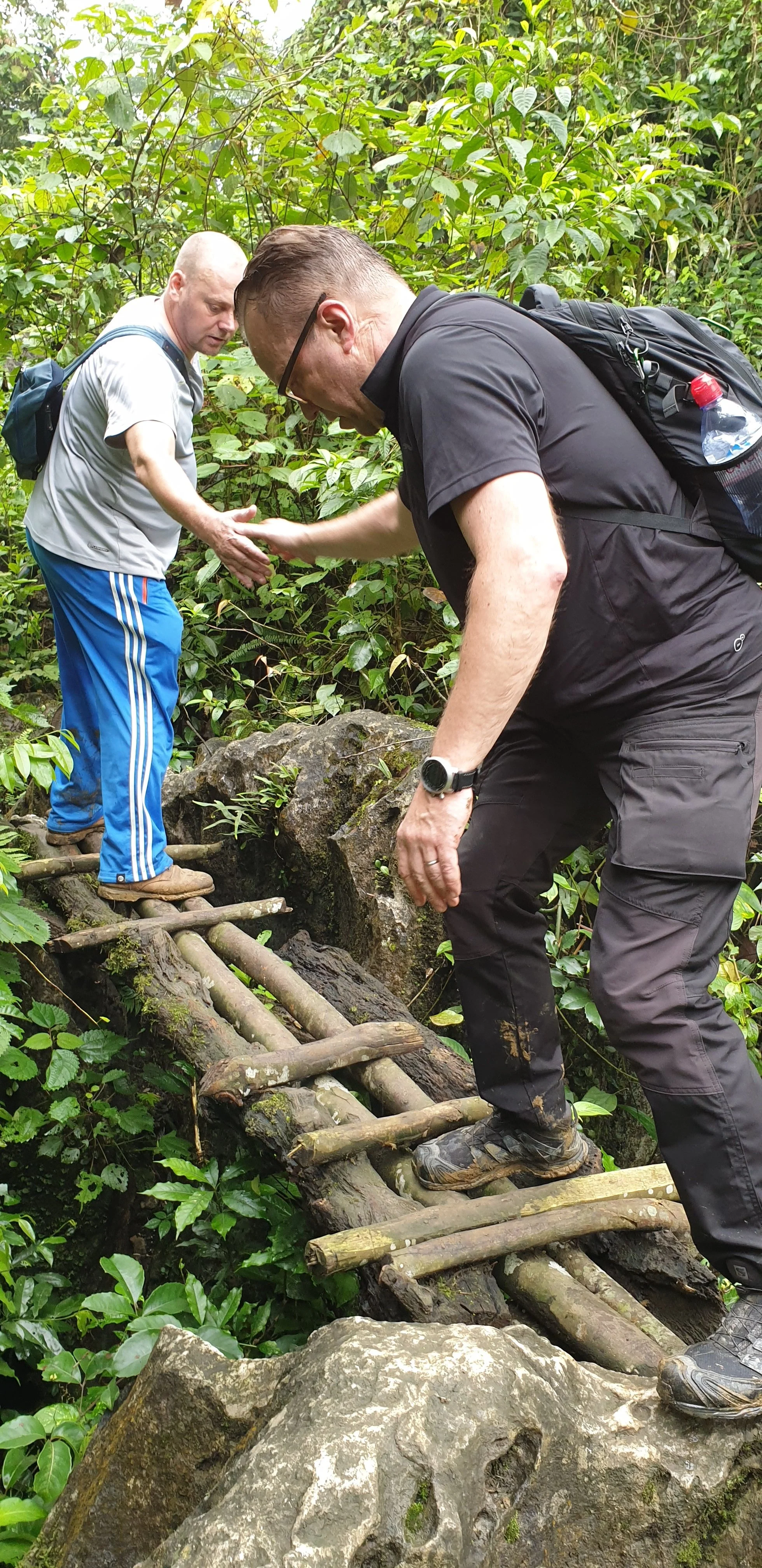
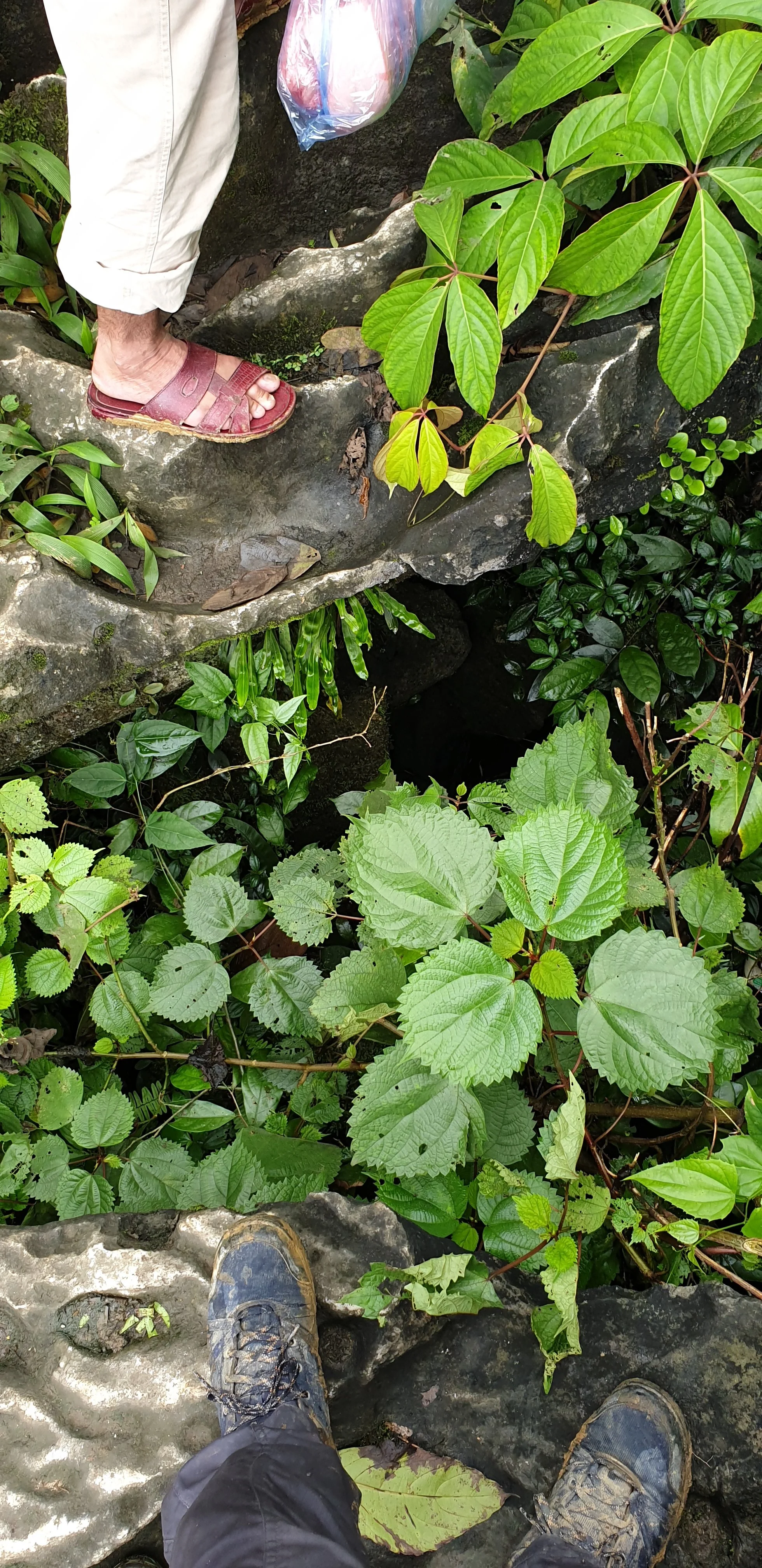
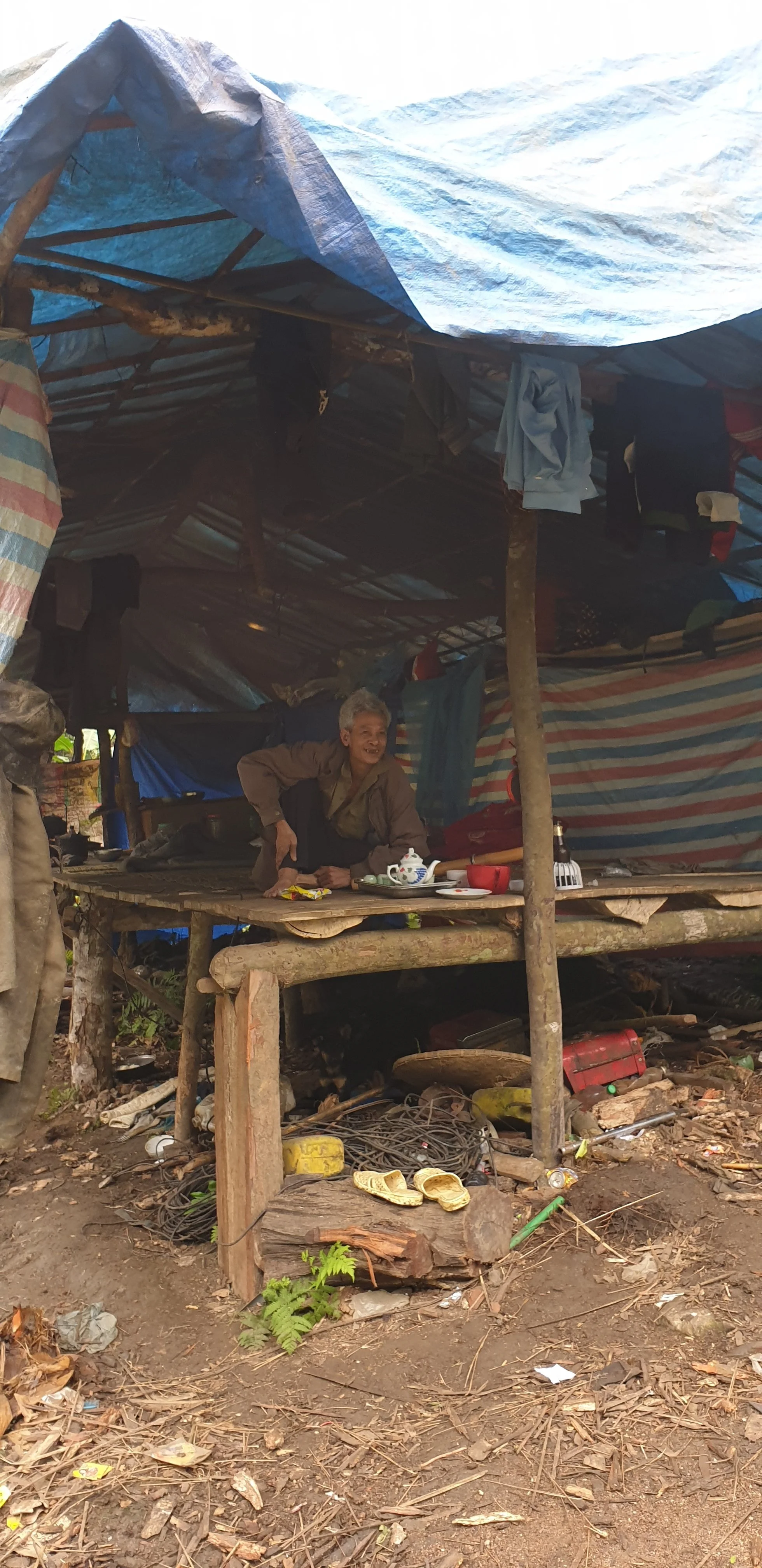
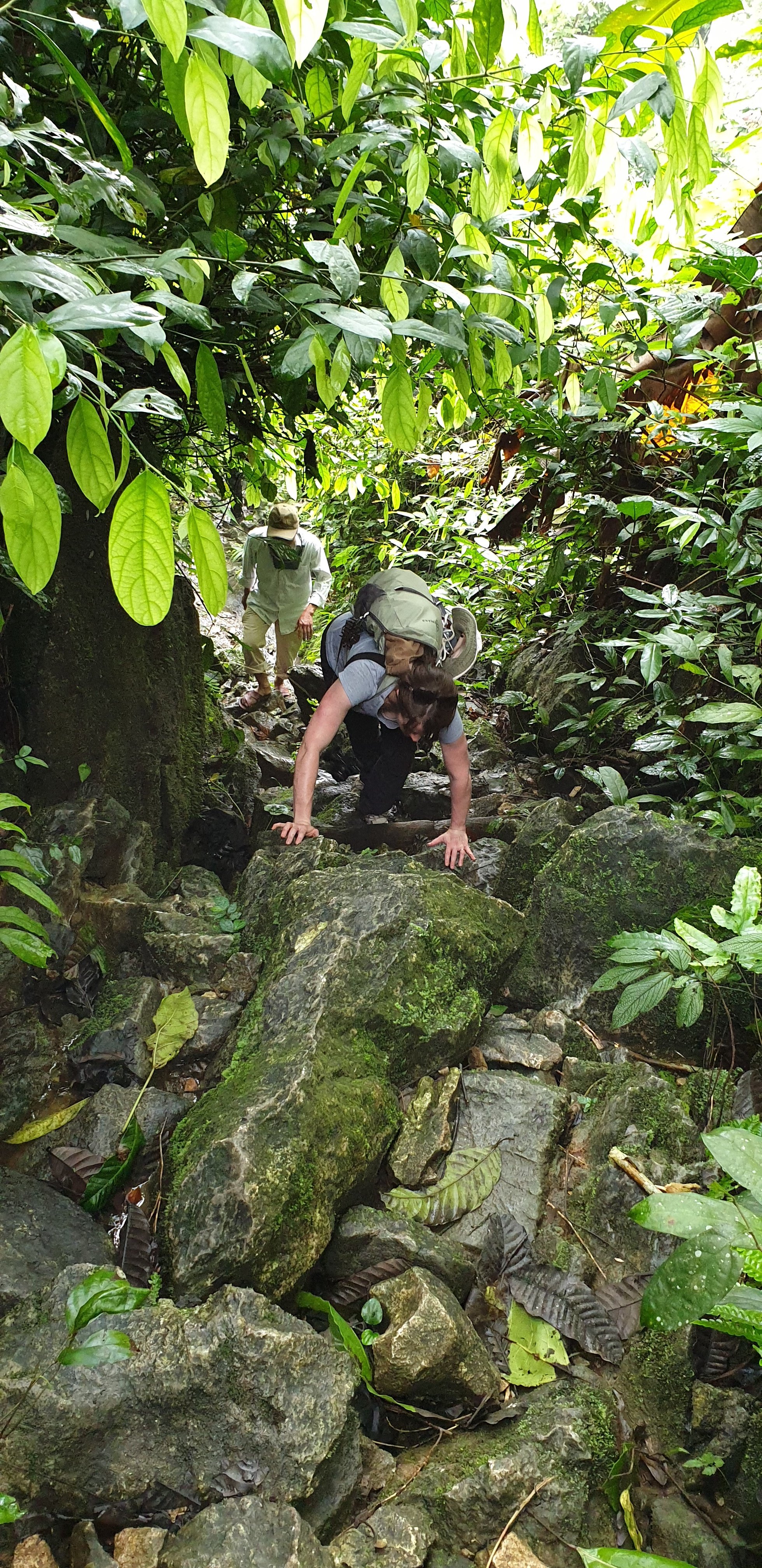
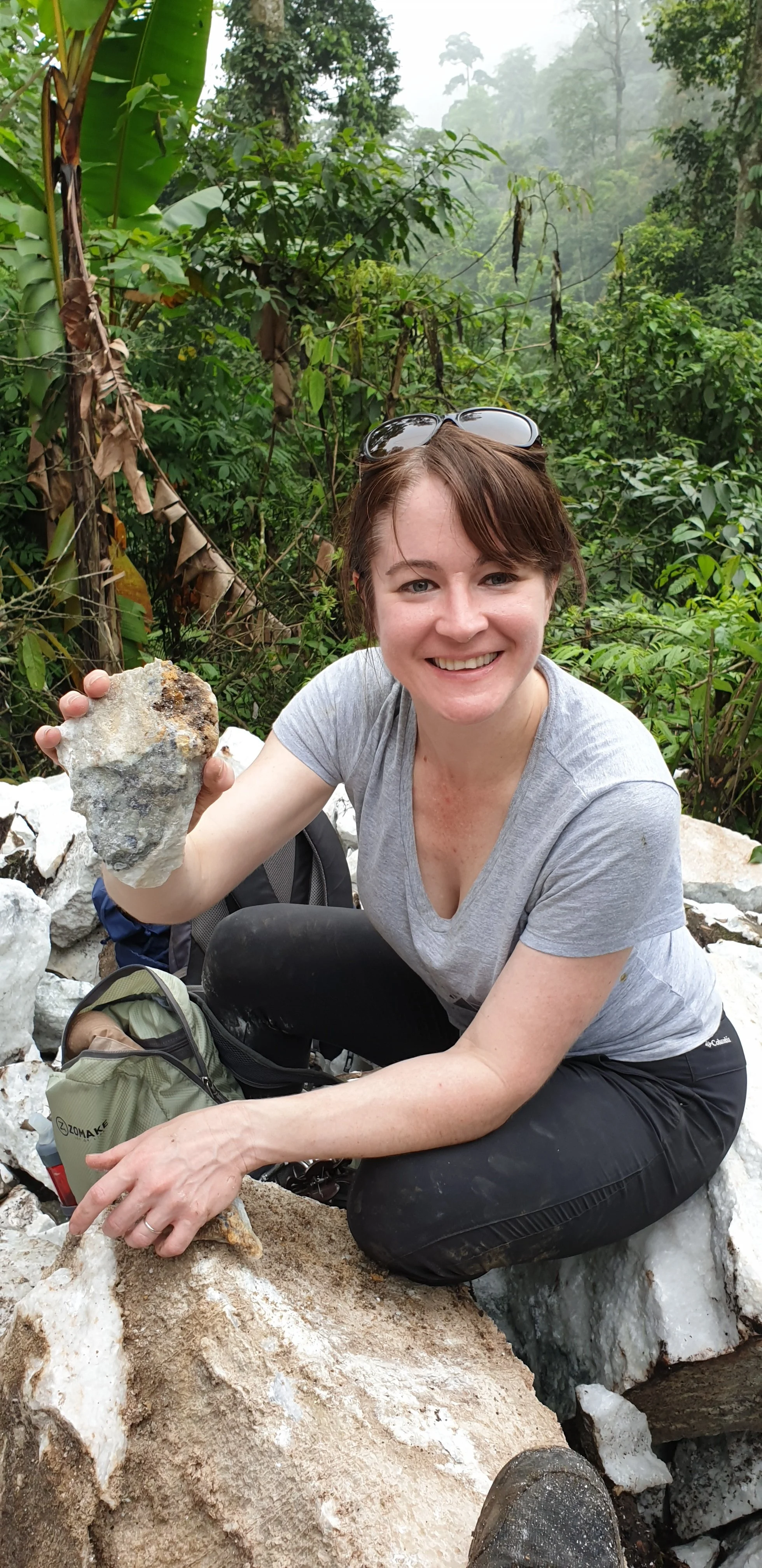
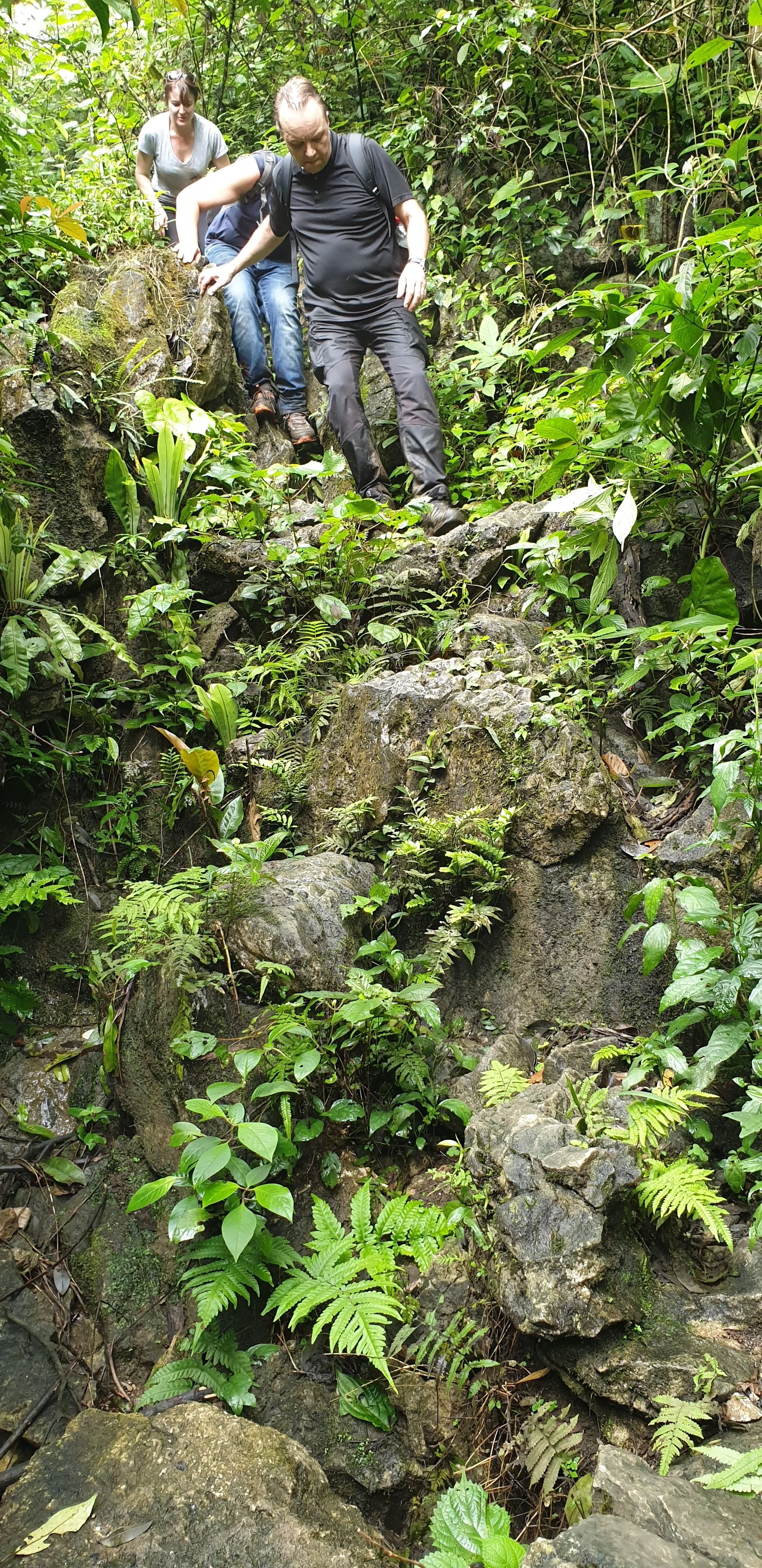
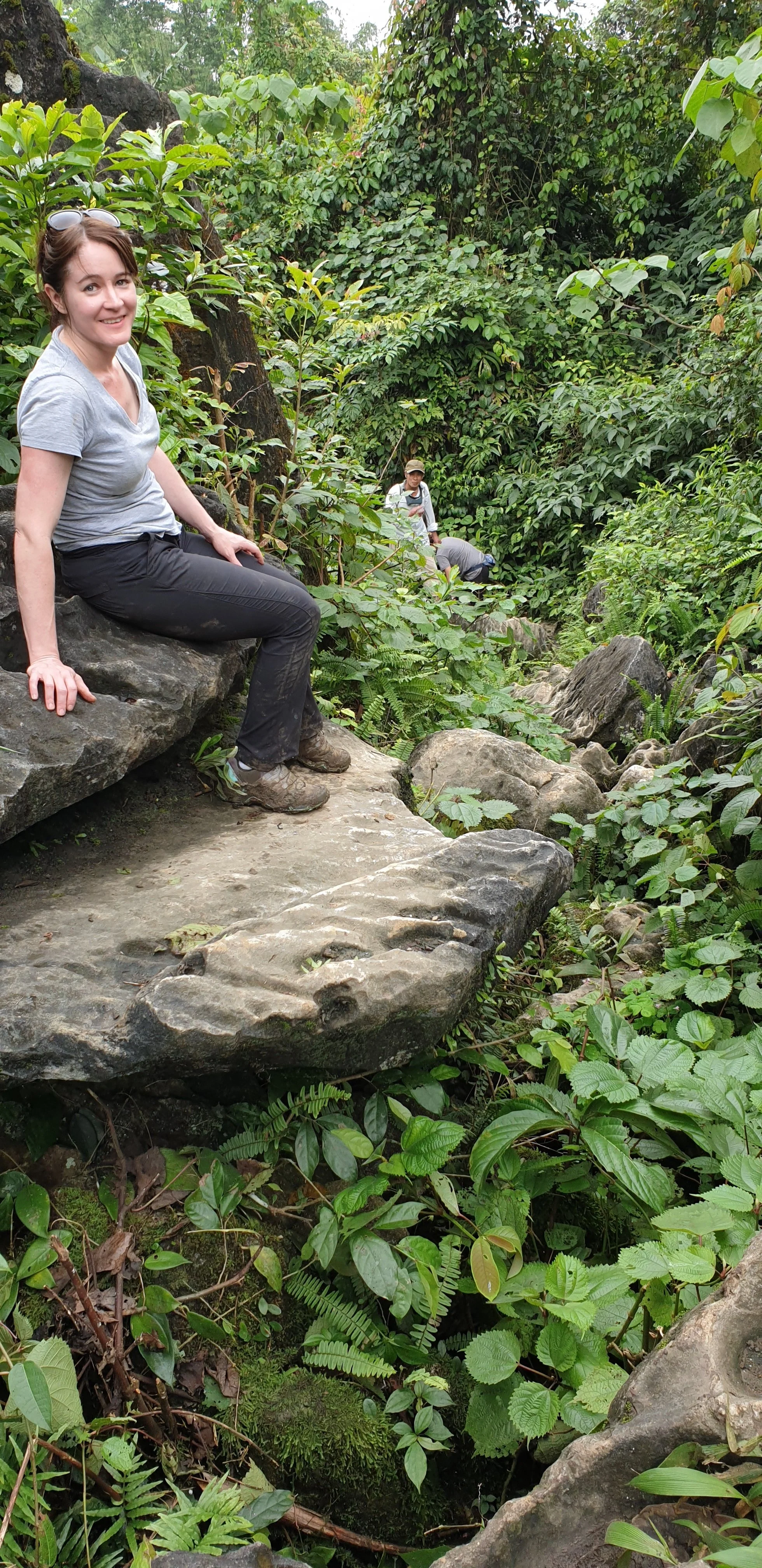
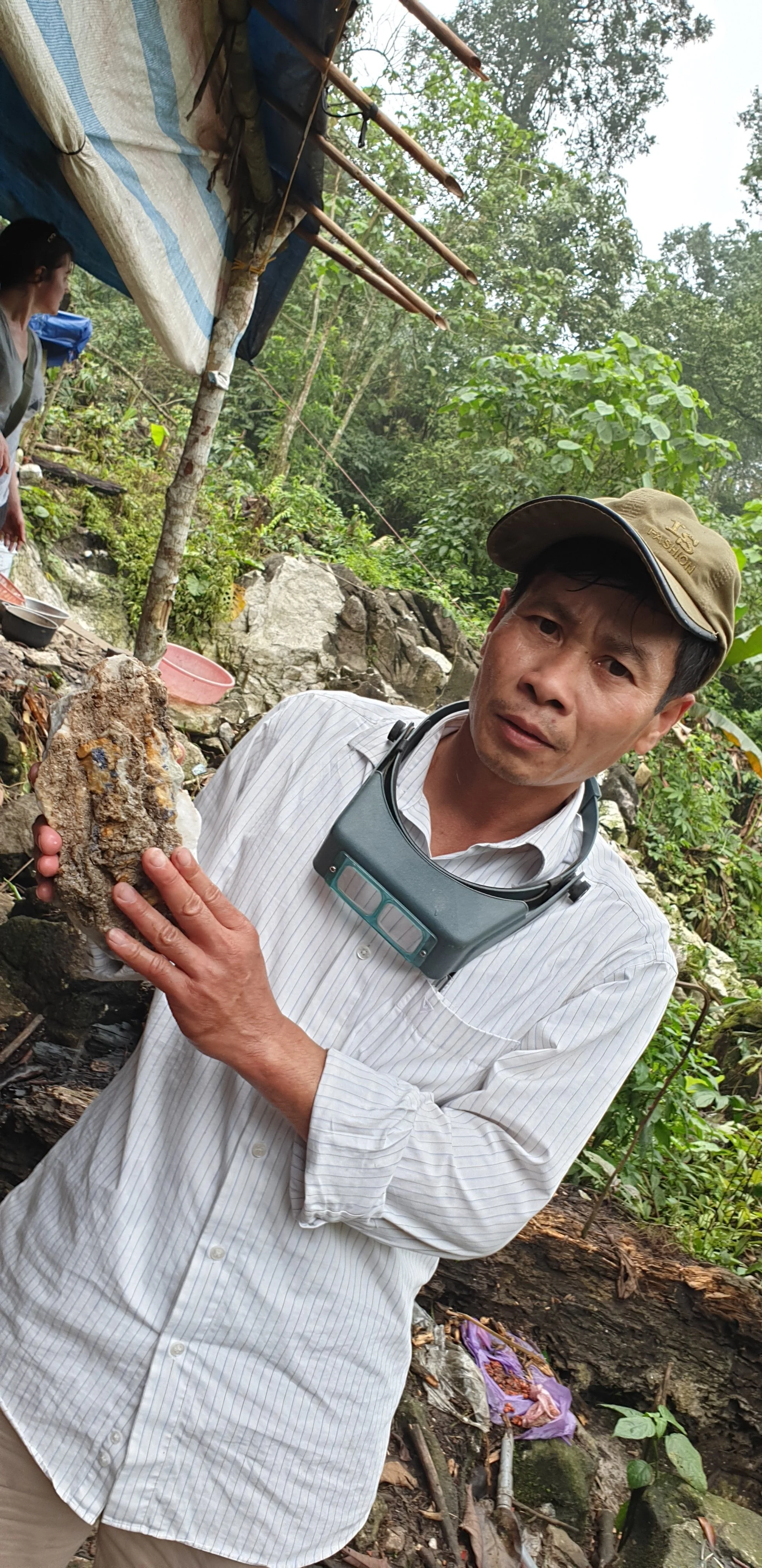
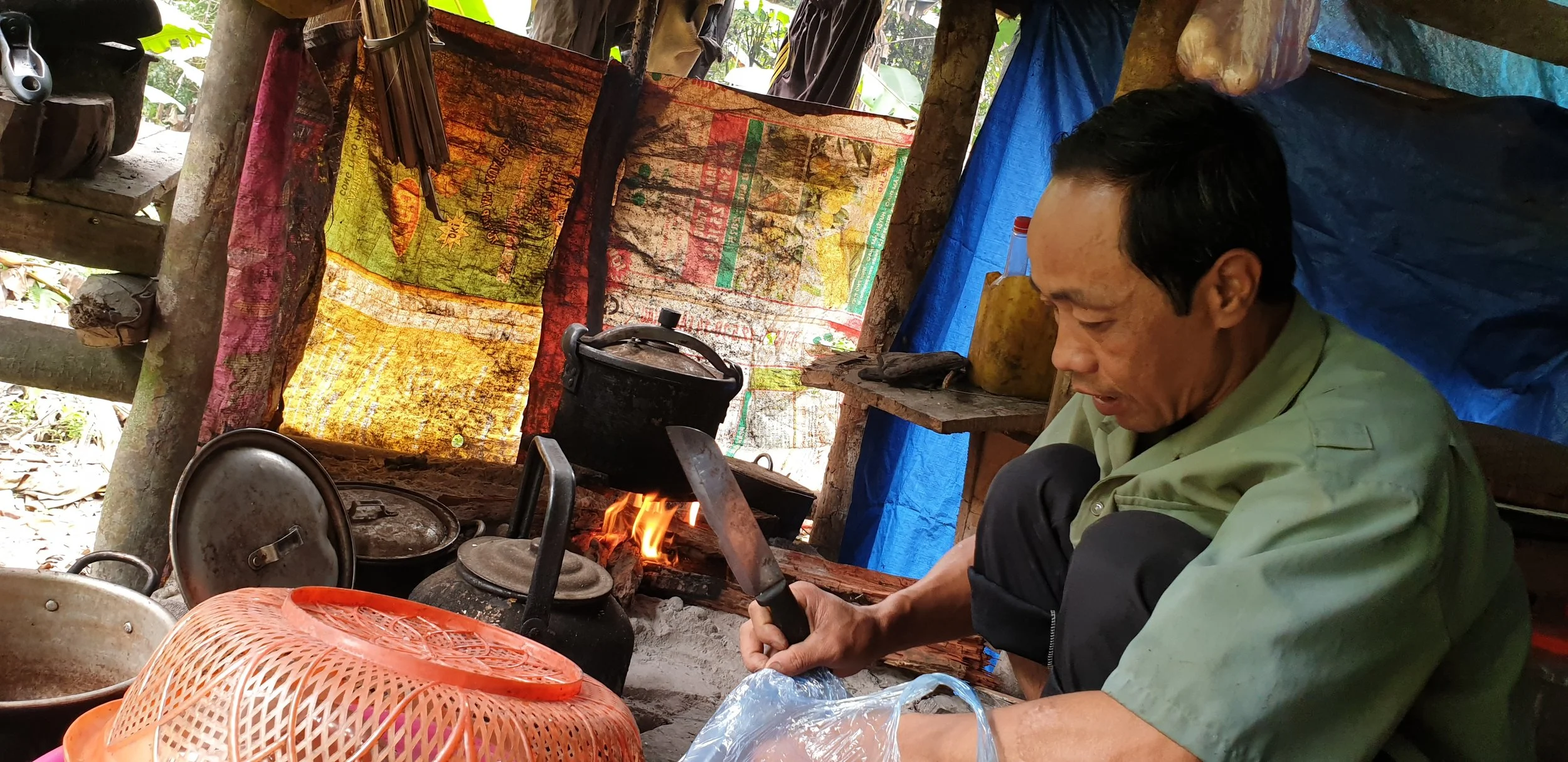
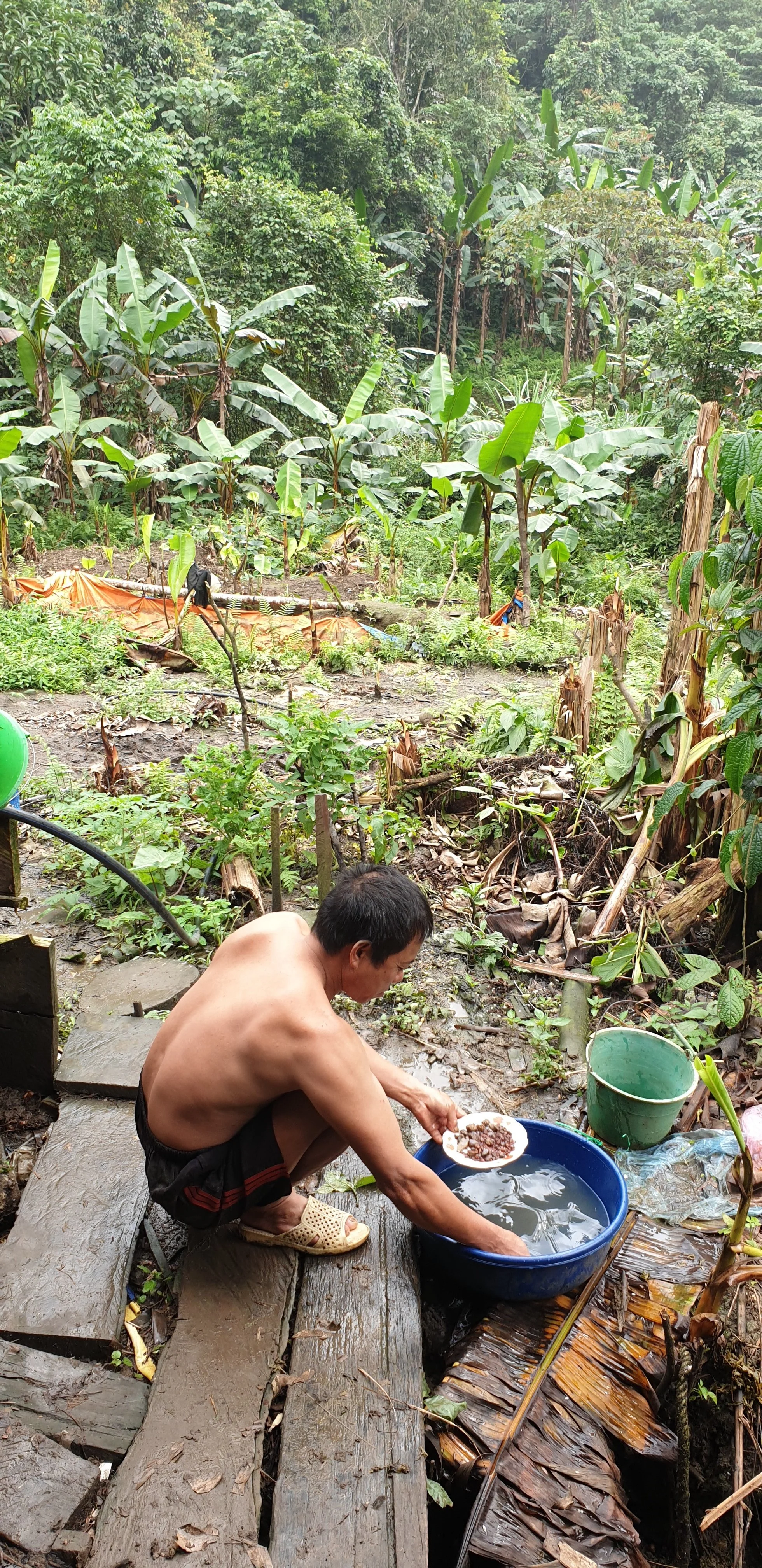
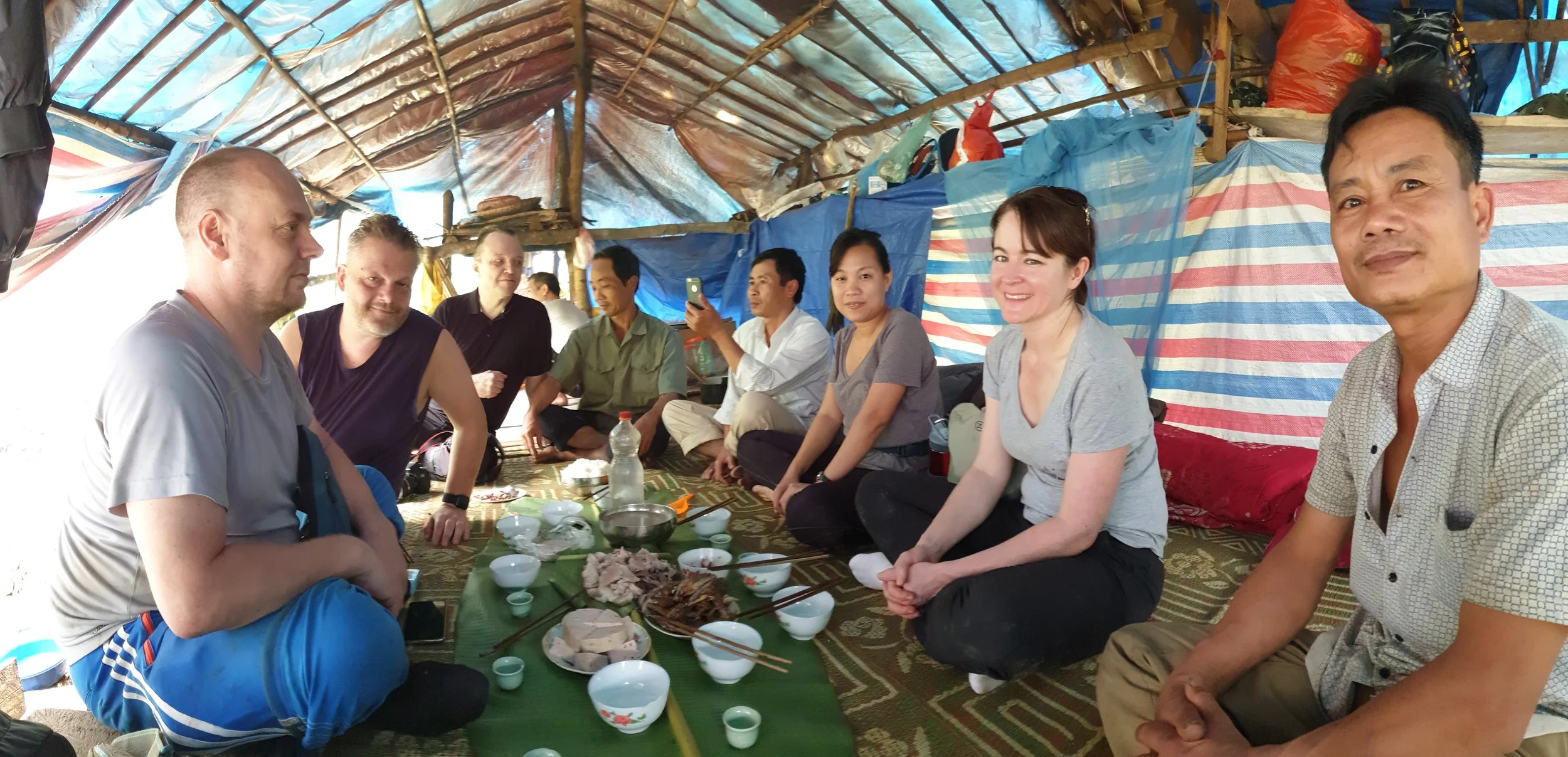
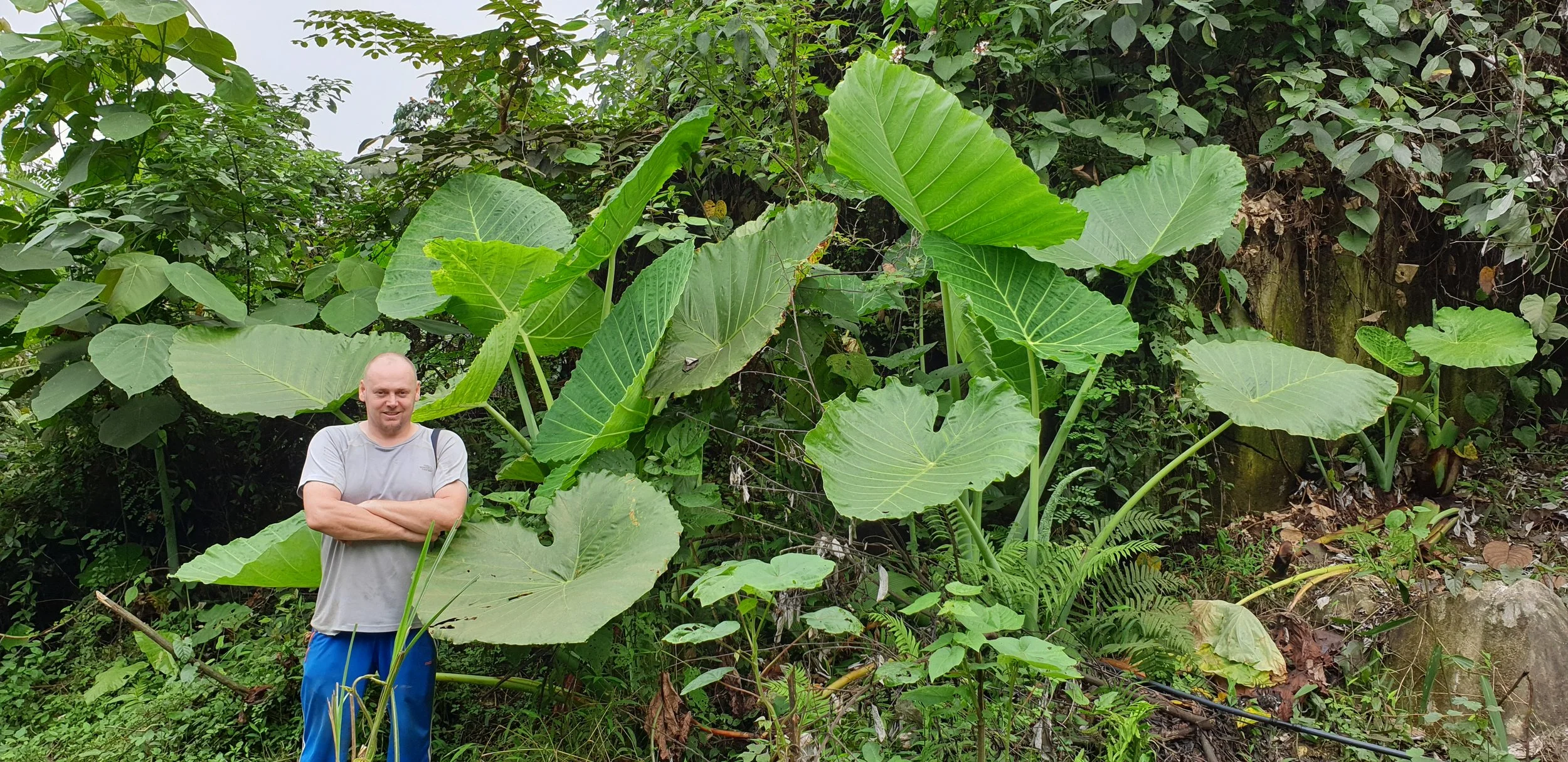
The ascent to May Trung is a different challenge. It is only a 400-meter climb, but it takes two and a half hours through thick vegetation and stinging plants.
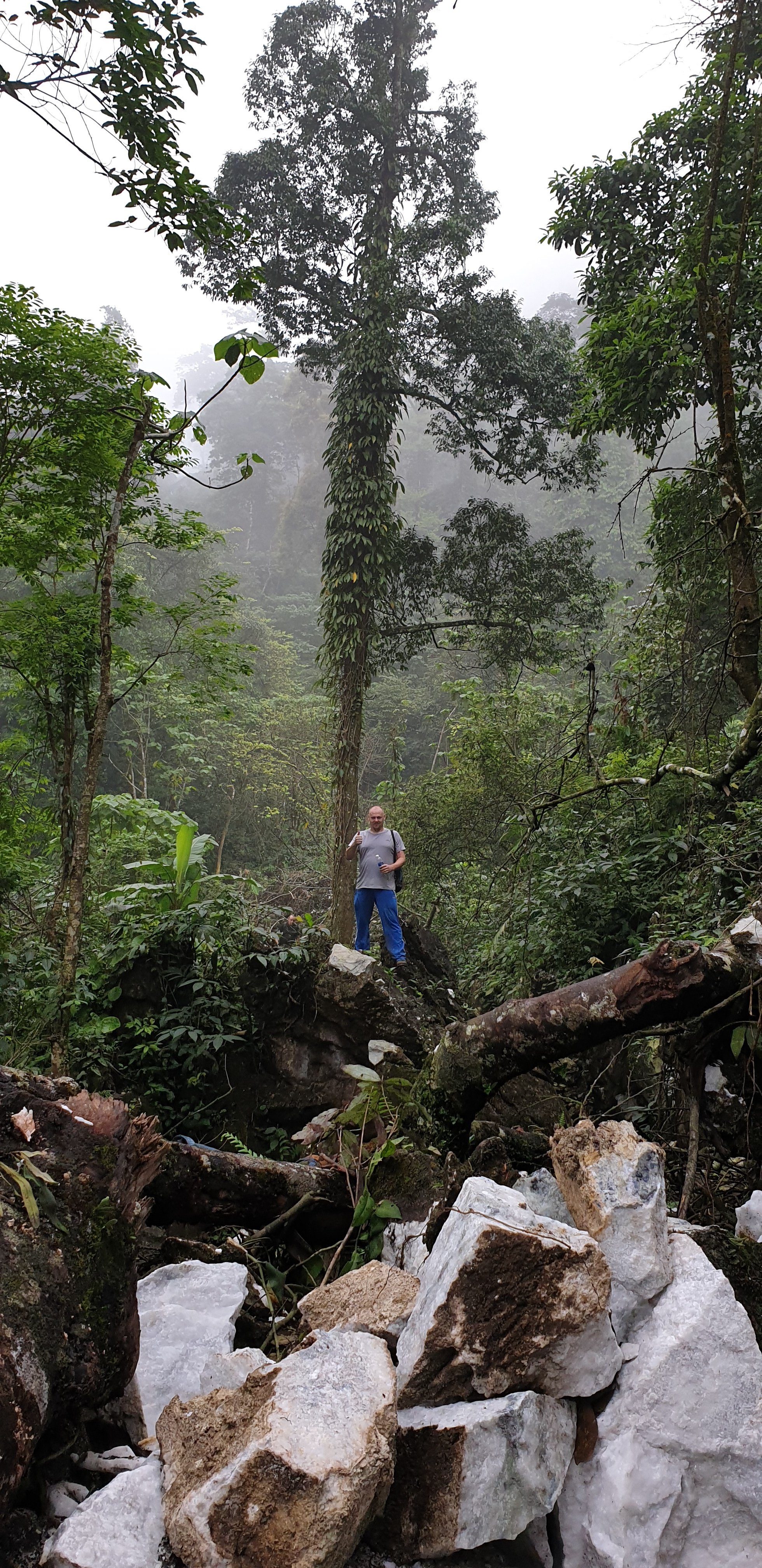
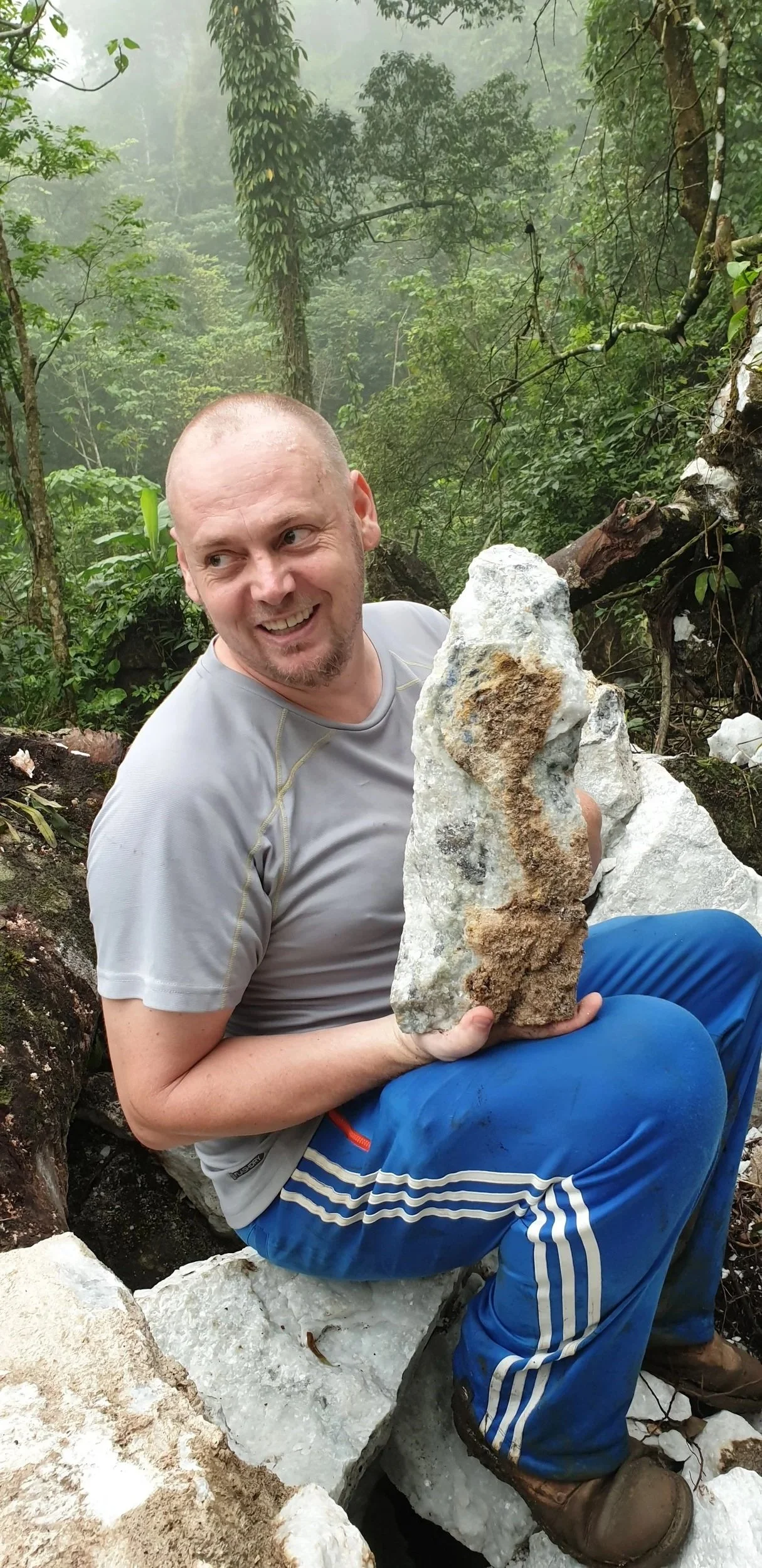
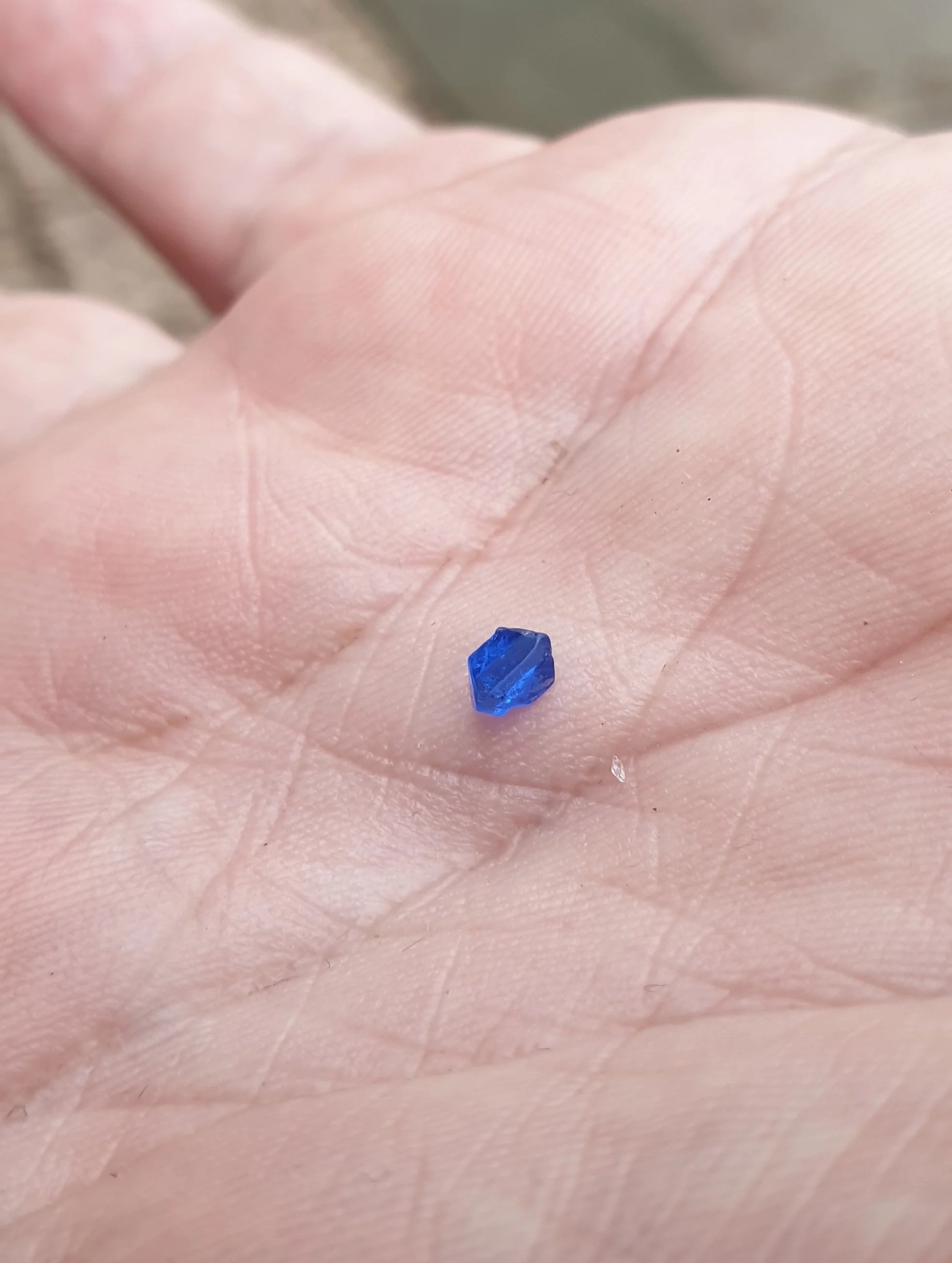
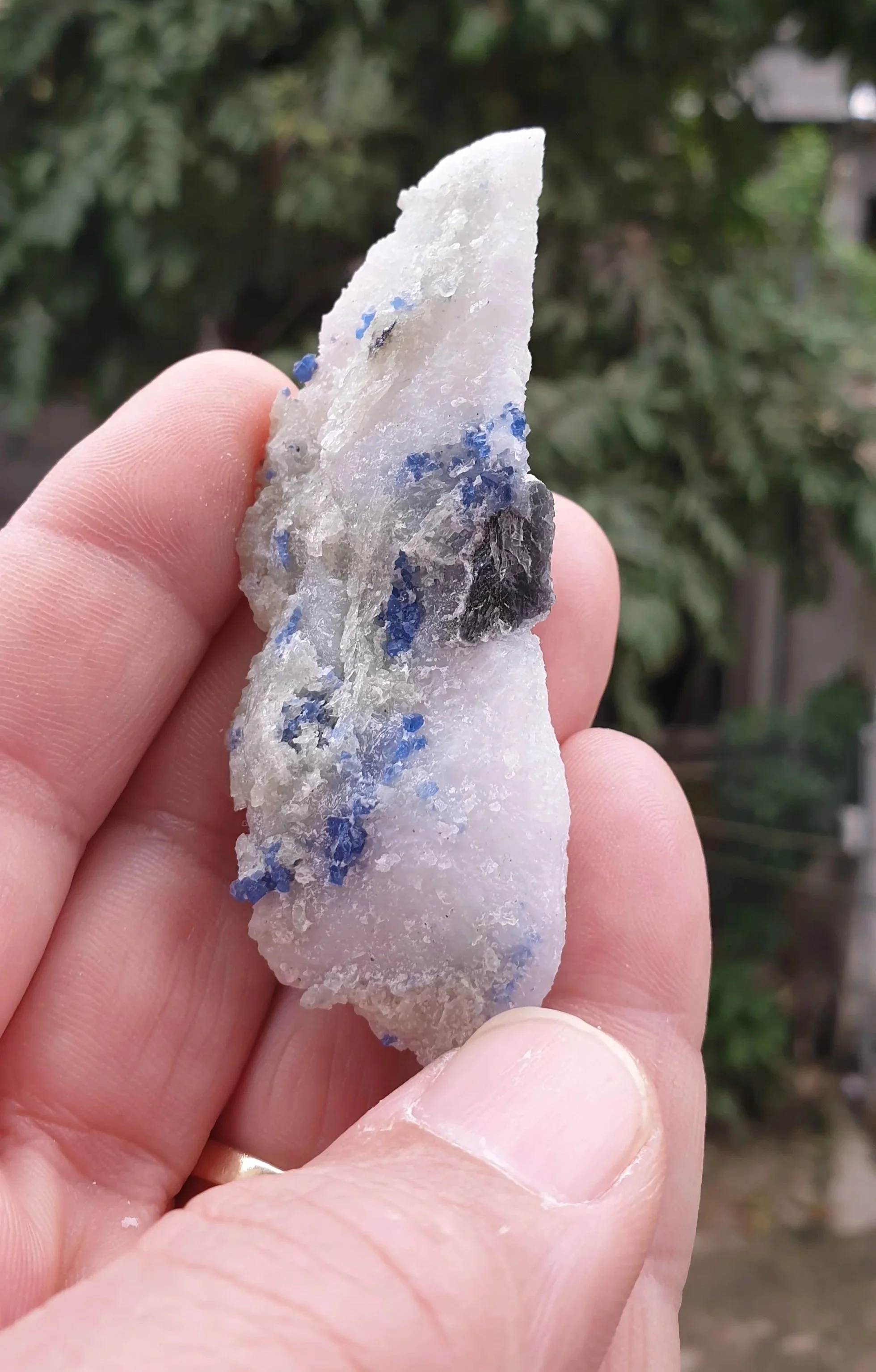
Eventually, we reached the site: huge white marble boulders. The landscape is magnificent, but the humidity makes you nearly breathless. Traces of tiny blue crystals are visible on the white surfaces. With the help of a hammer, we looked for the most interesting parts.
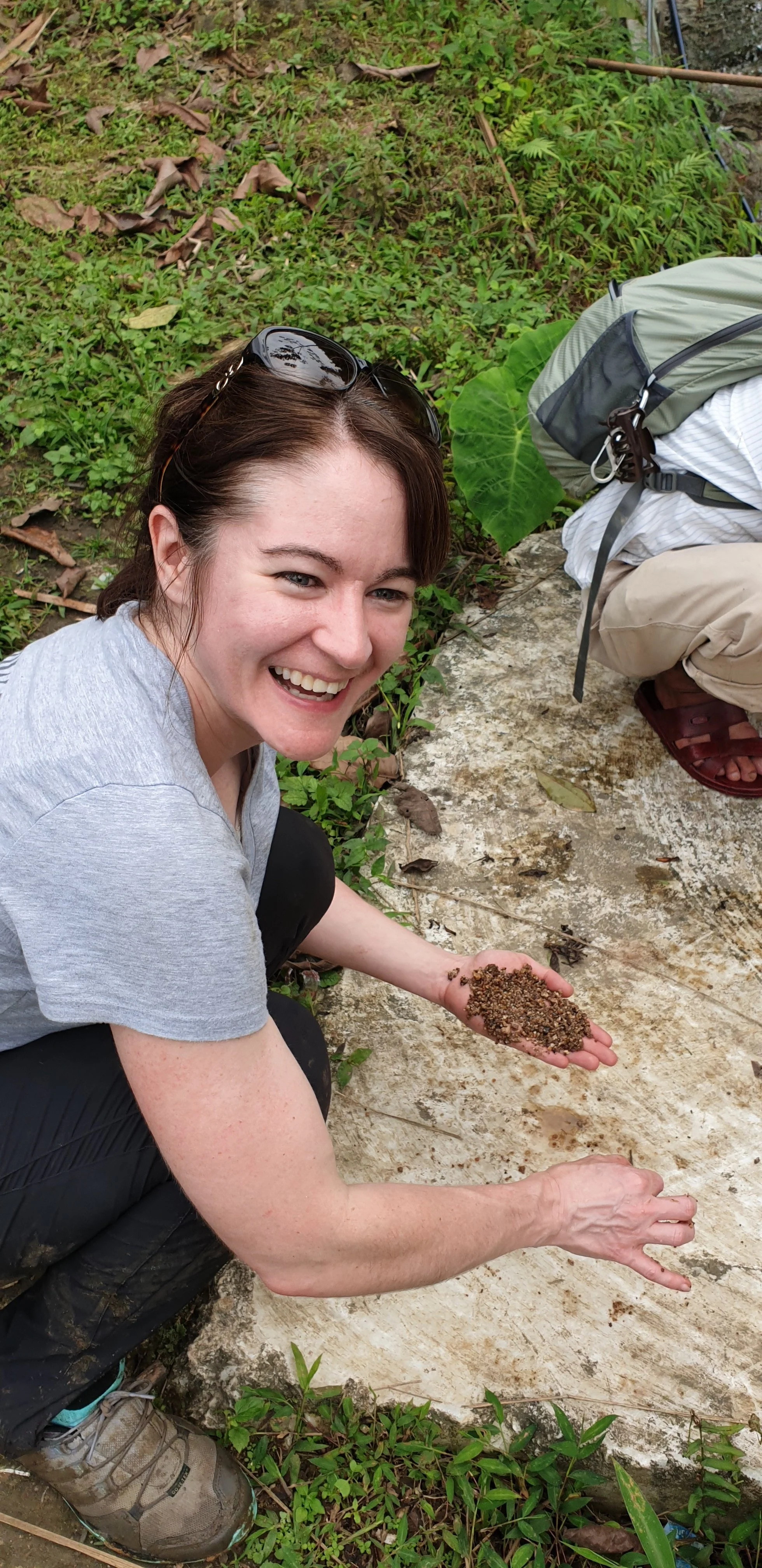
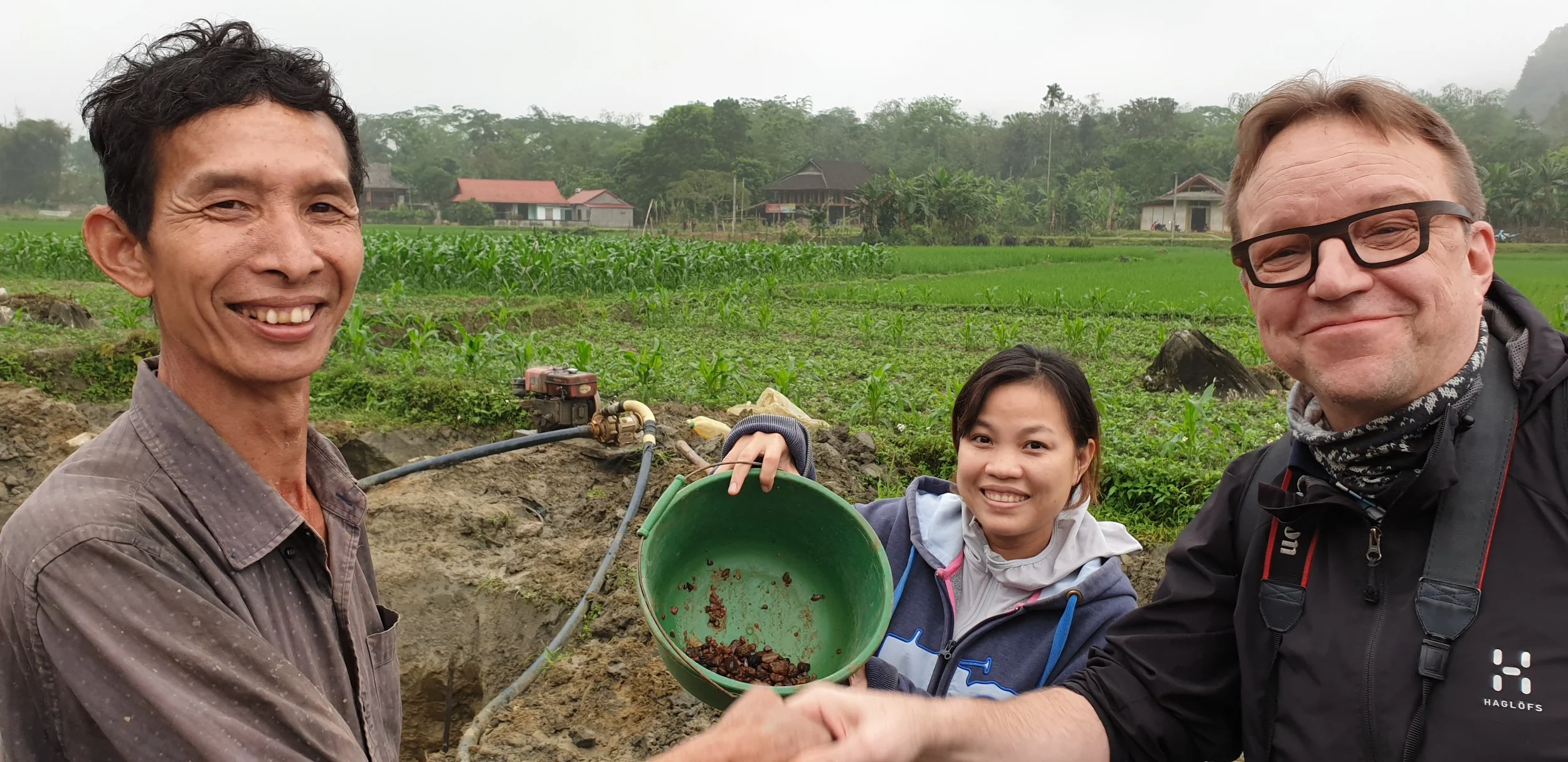
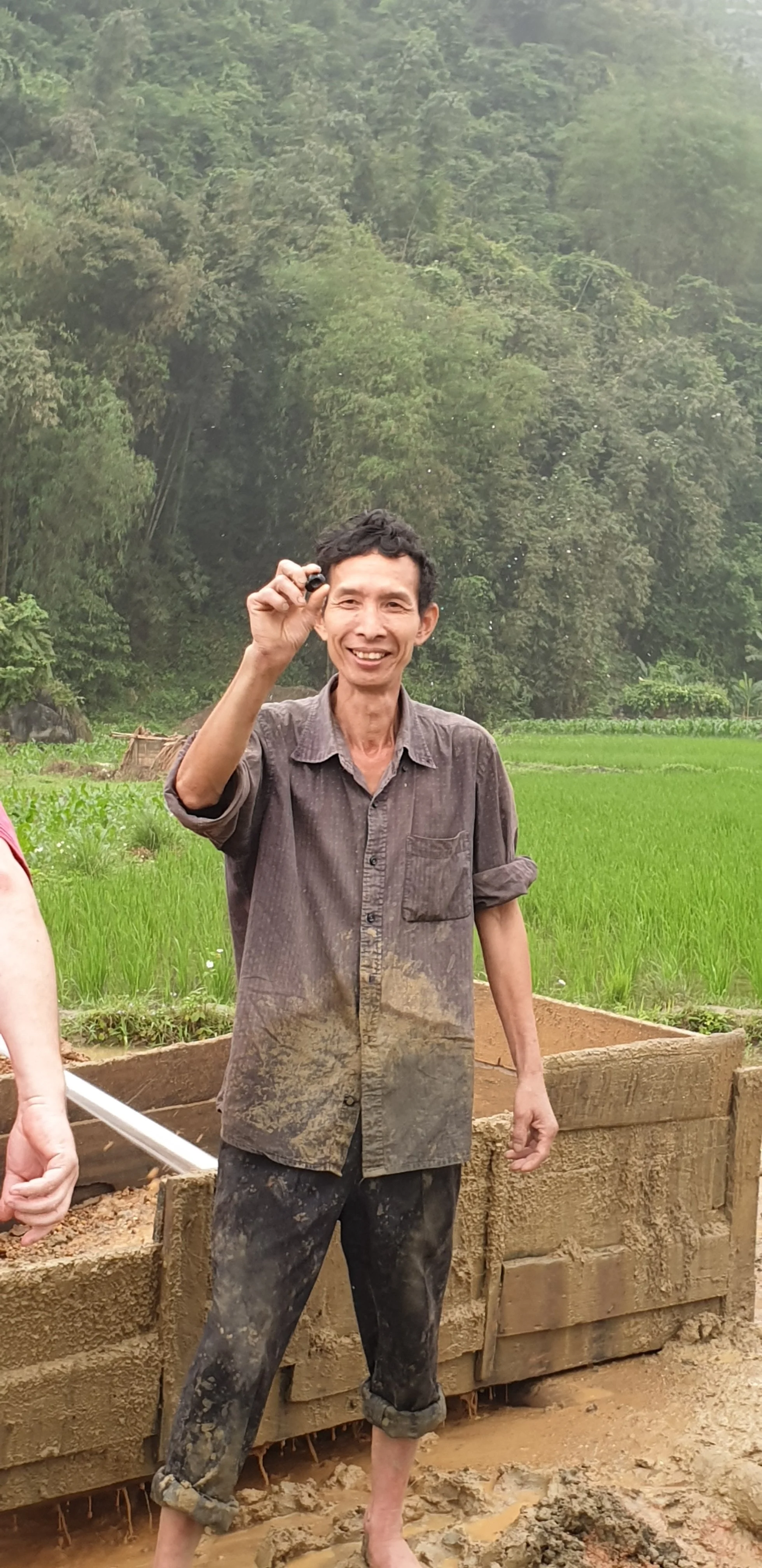
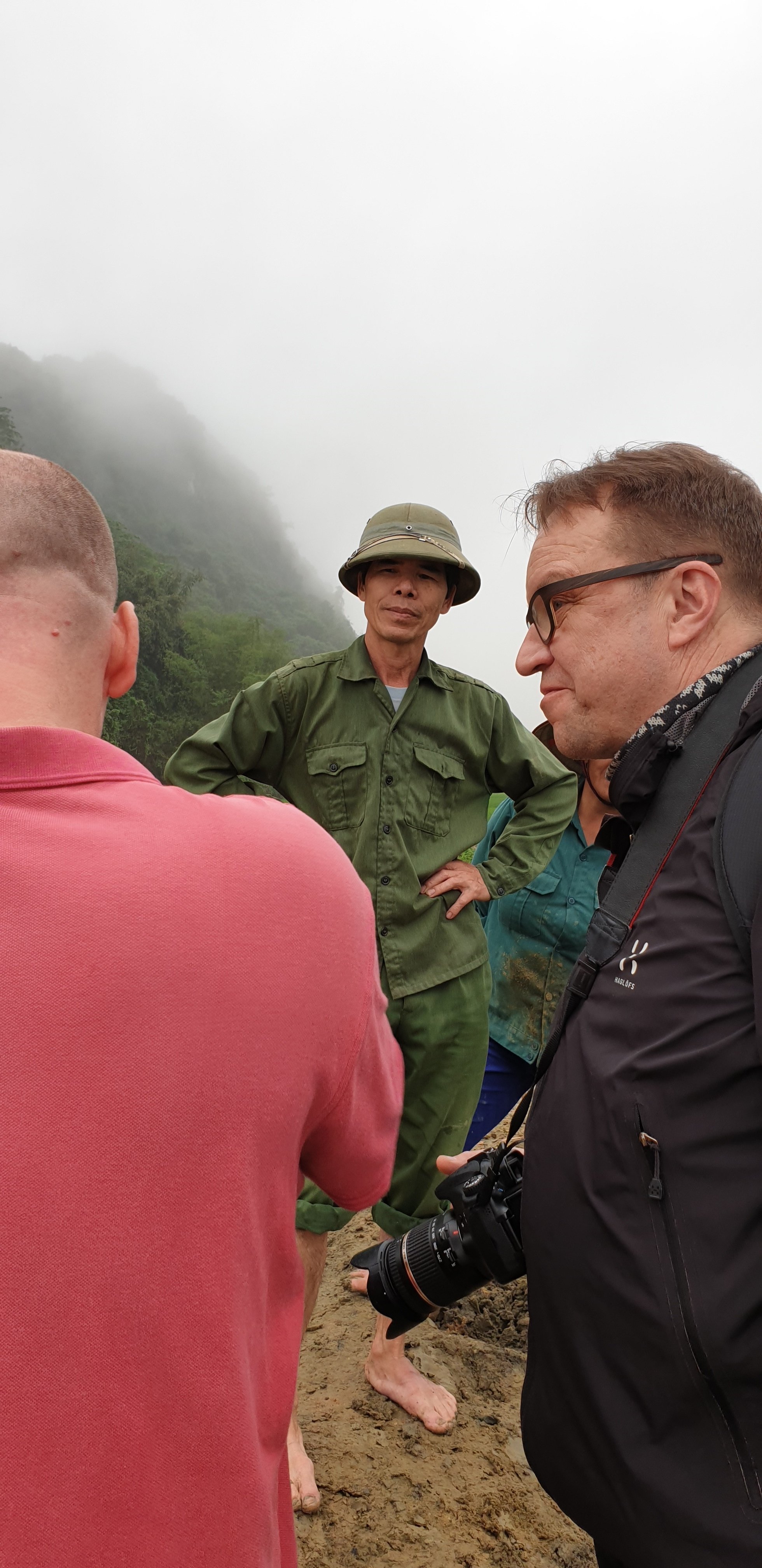
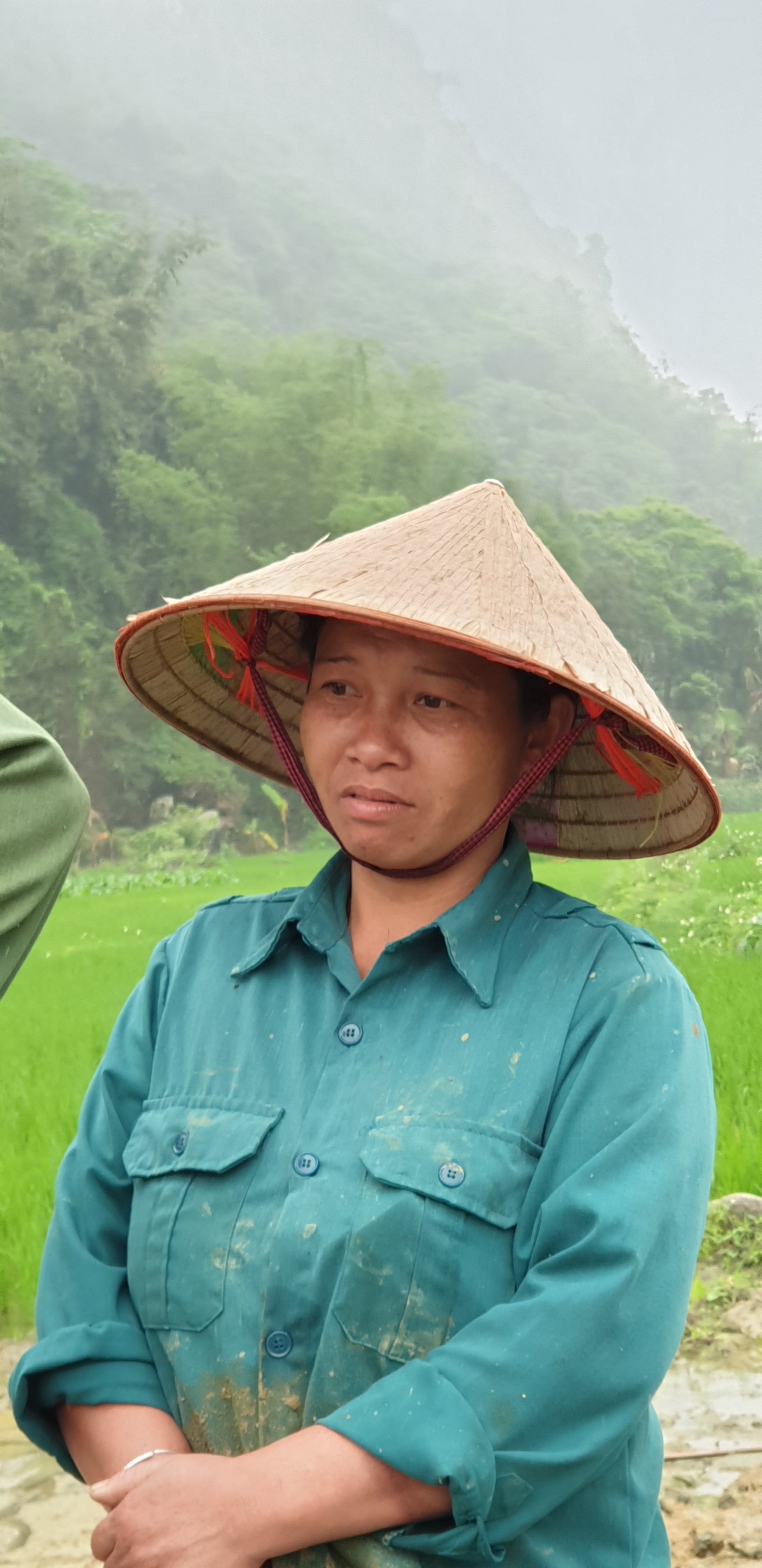
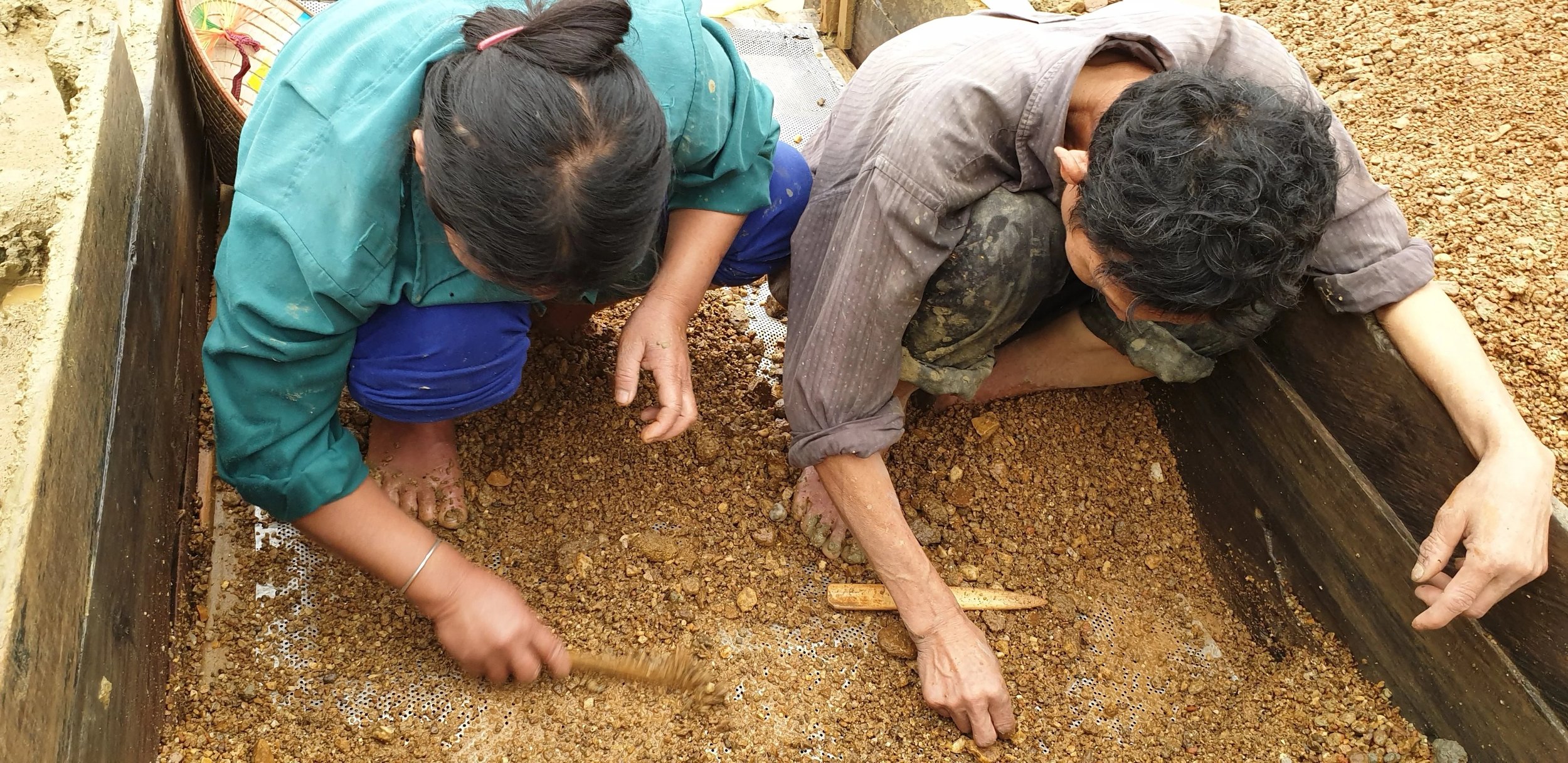
Secondary deposits in the area produce corundum, spinels, green tourmalines, and quartz. These are scattered across flat areas where people use simple washing pumps.
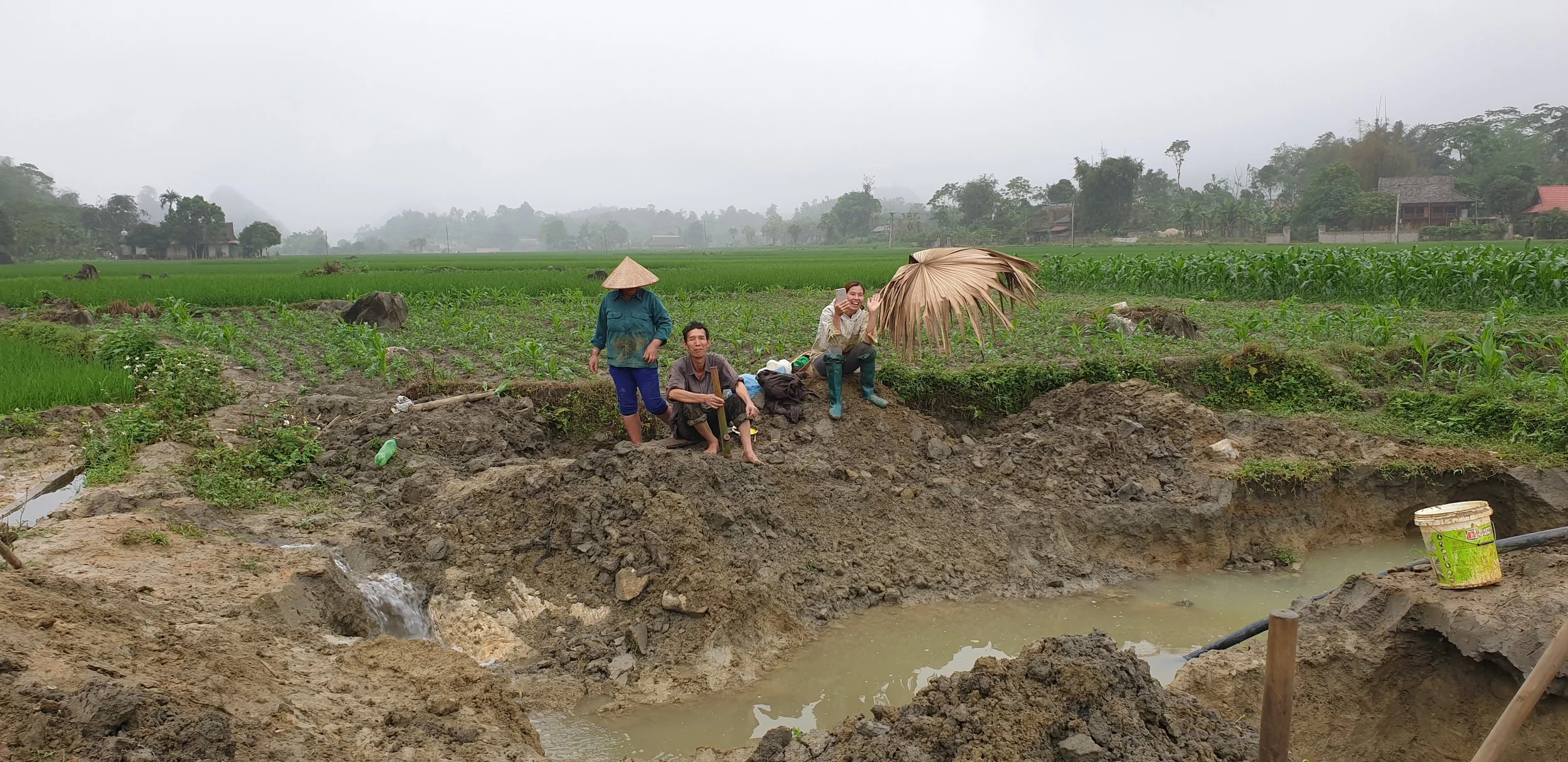
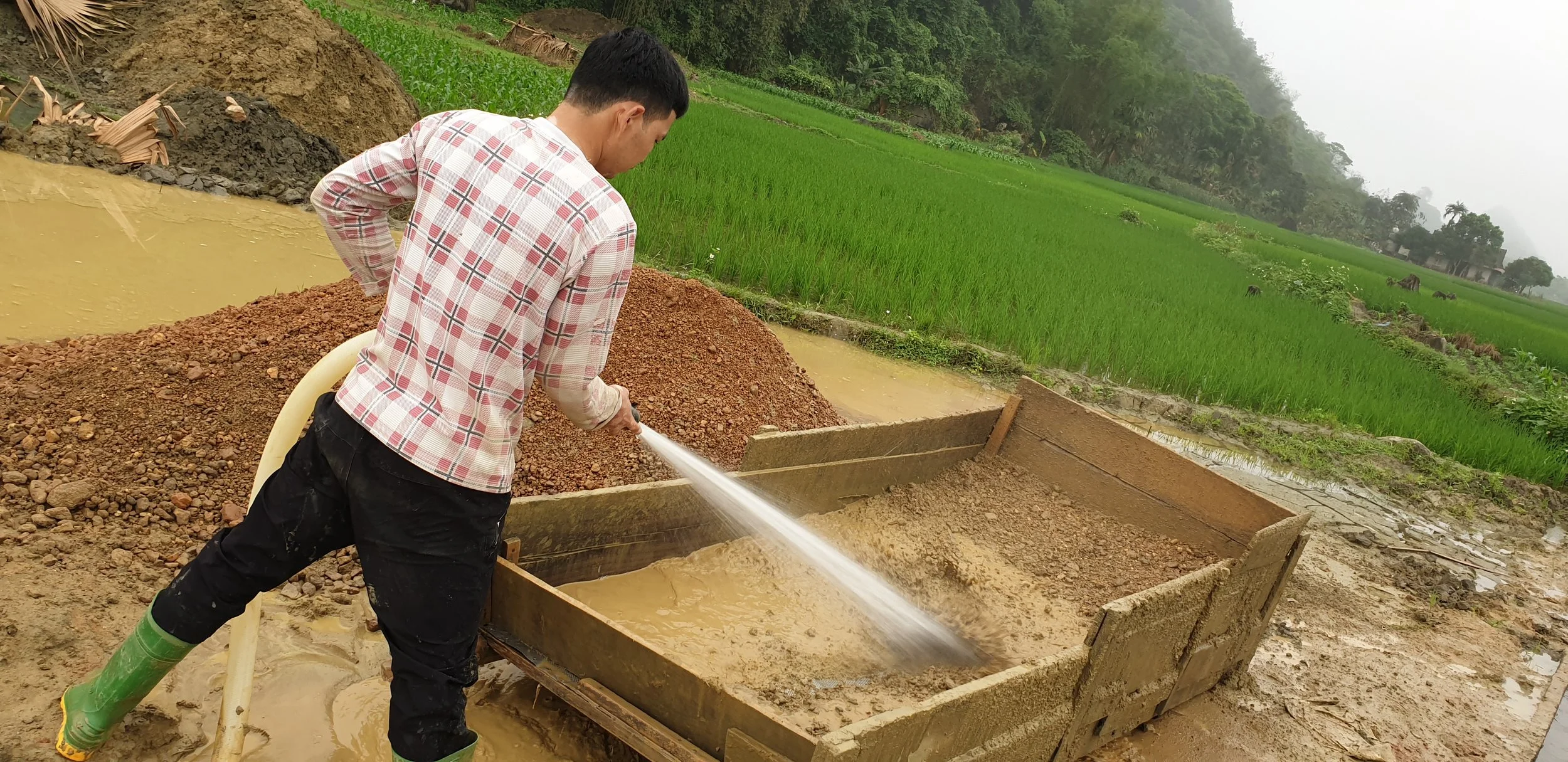
After visiting various sites, it is clear that the production of the requested "electric blue" color is extremely small. The exclusively artisanal nature of the operations makes it doubtful that new deposits will satisfy the substantial global demand.
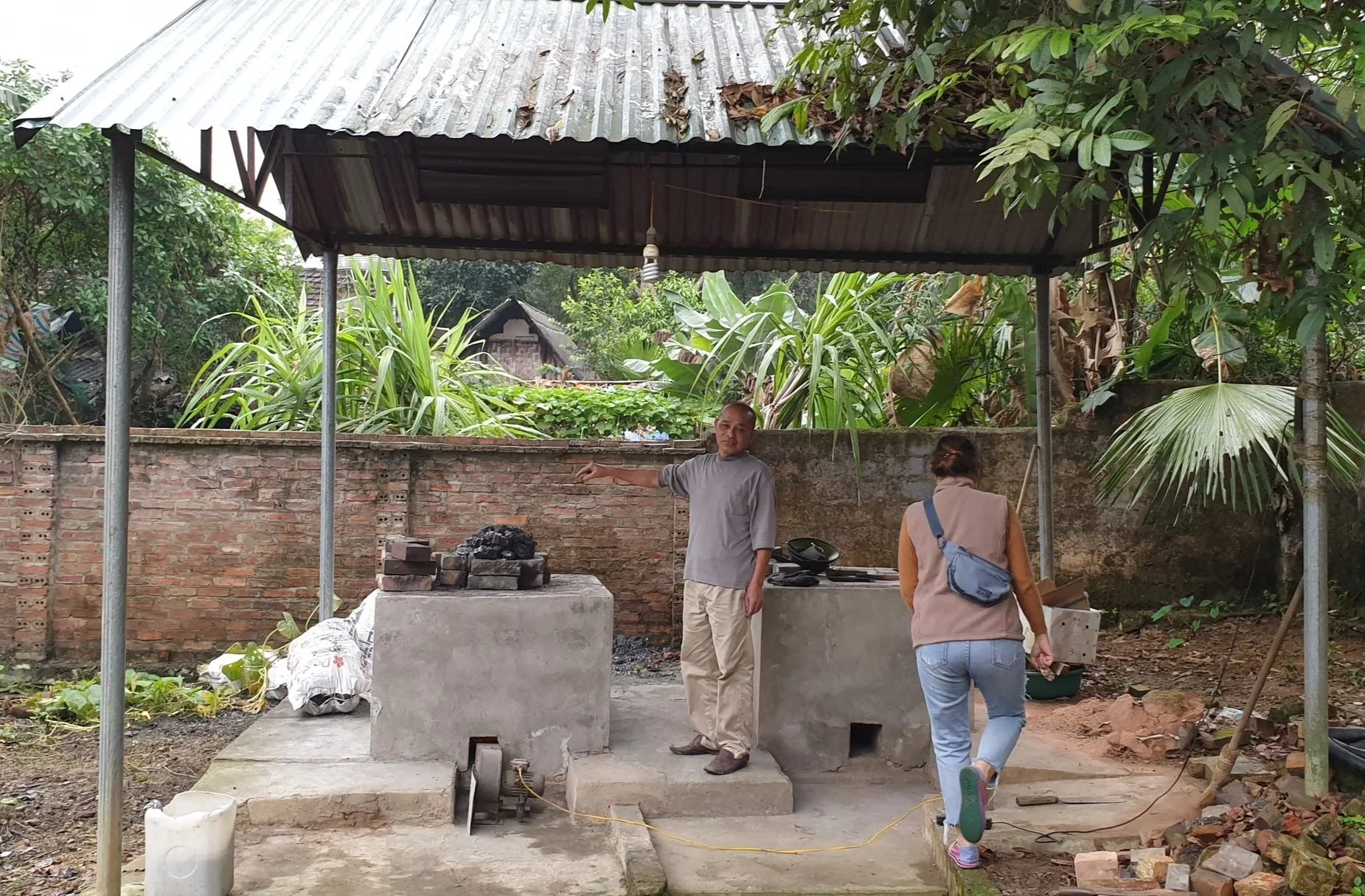
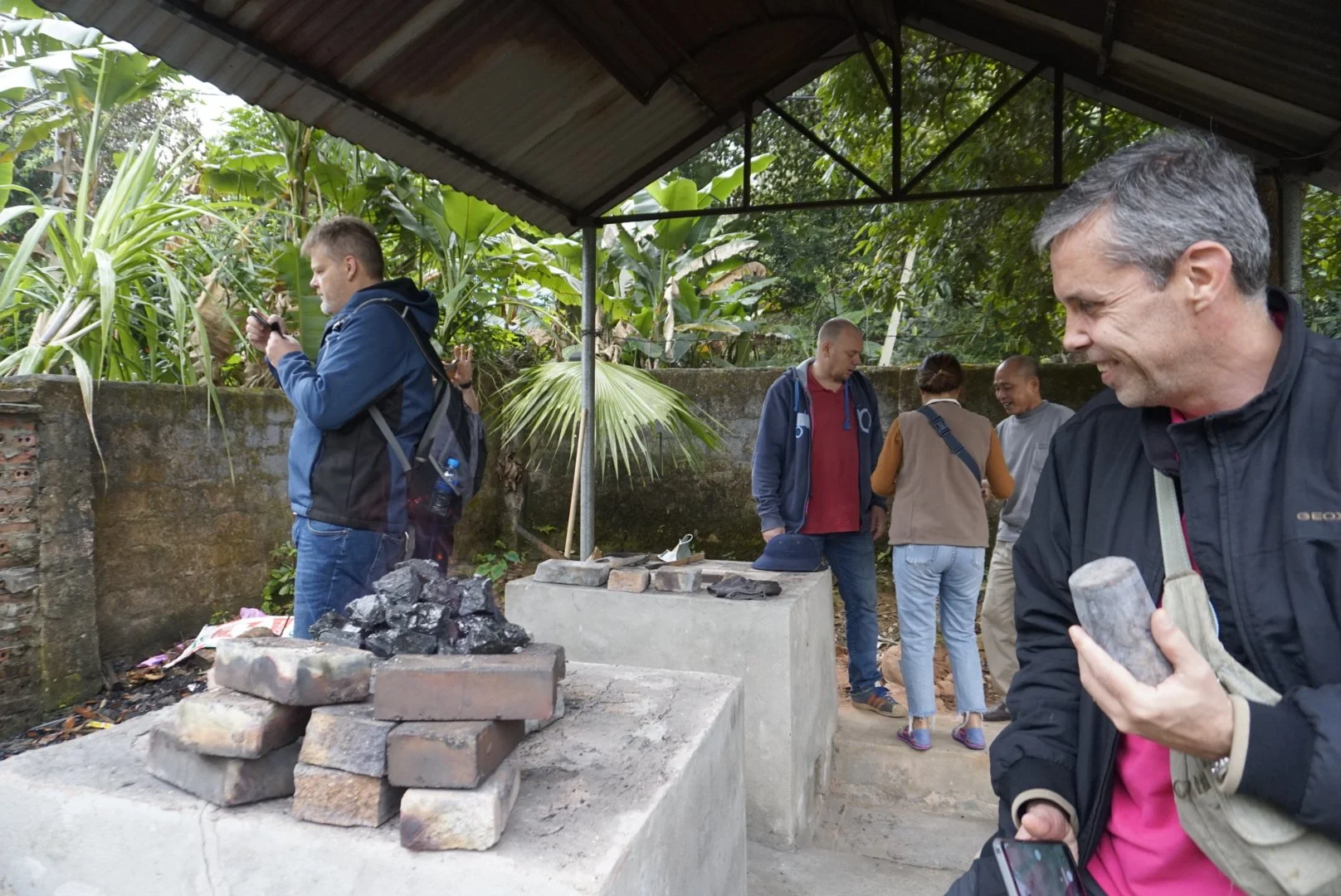
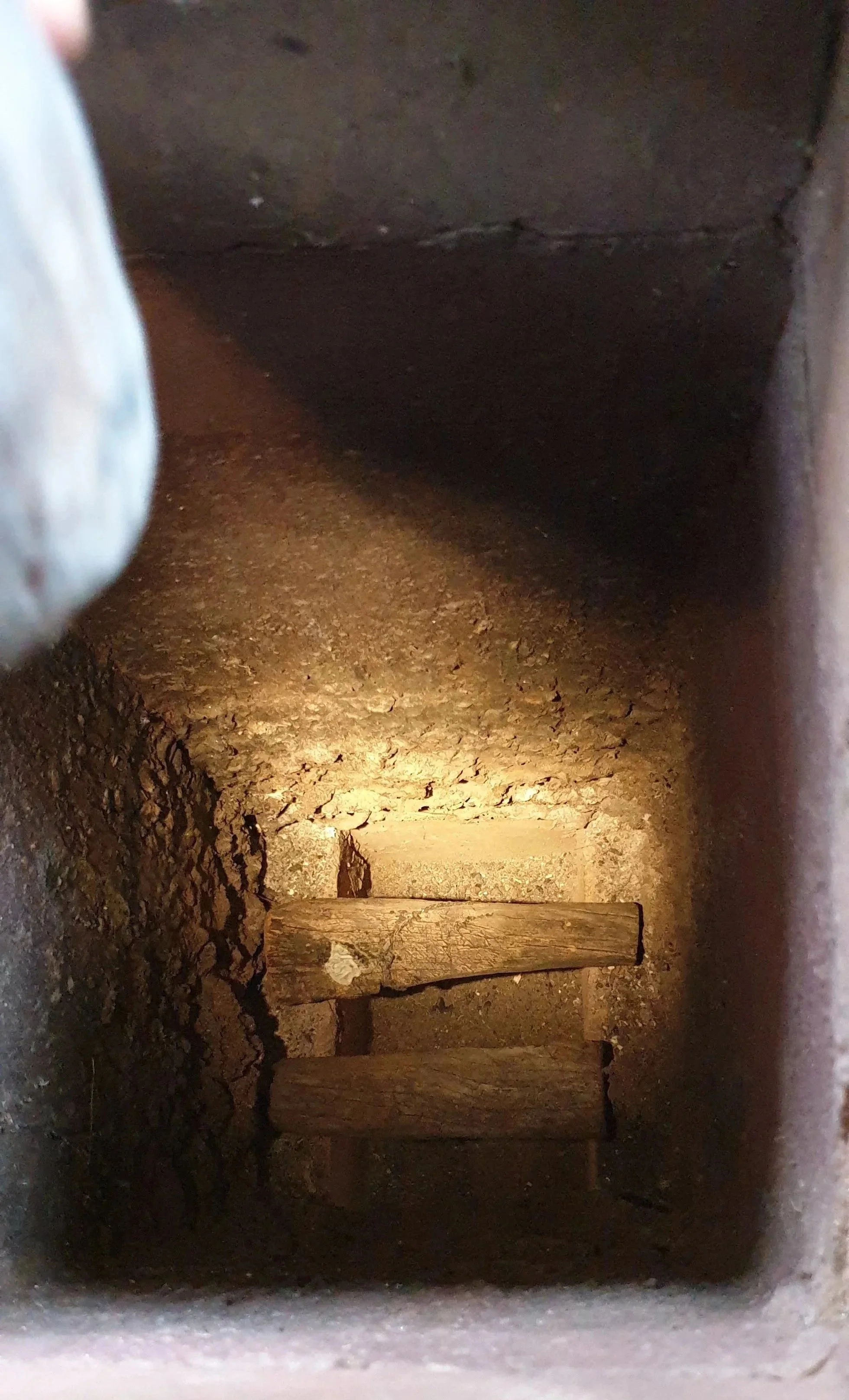
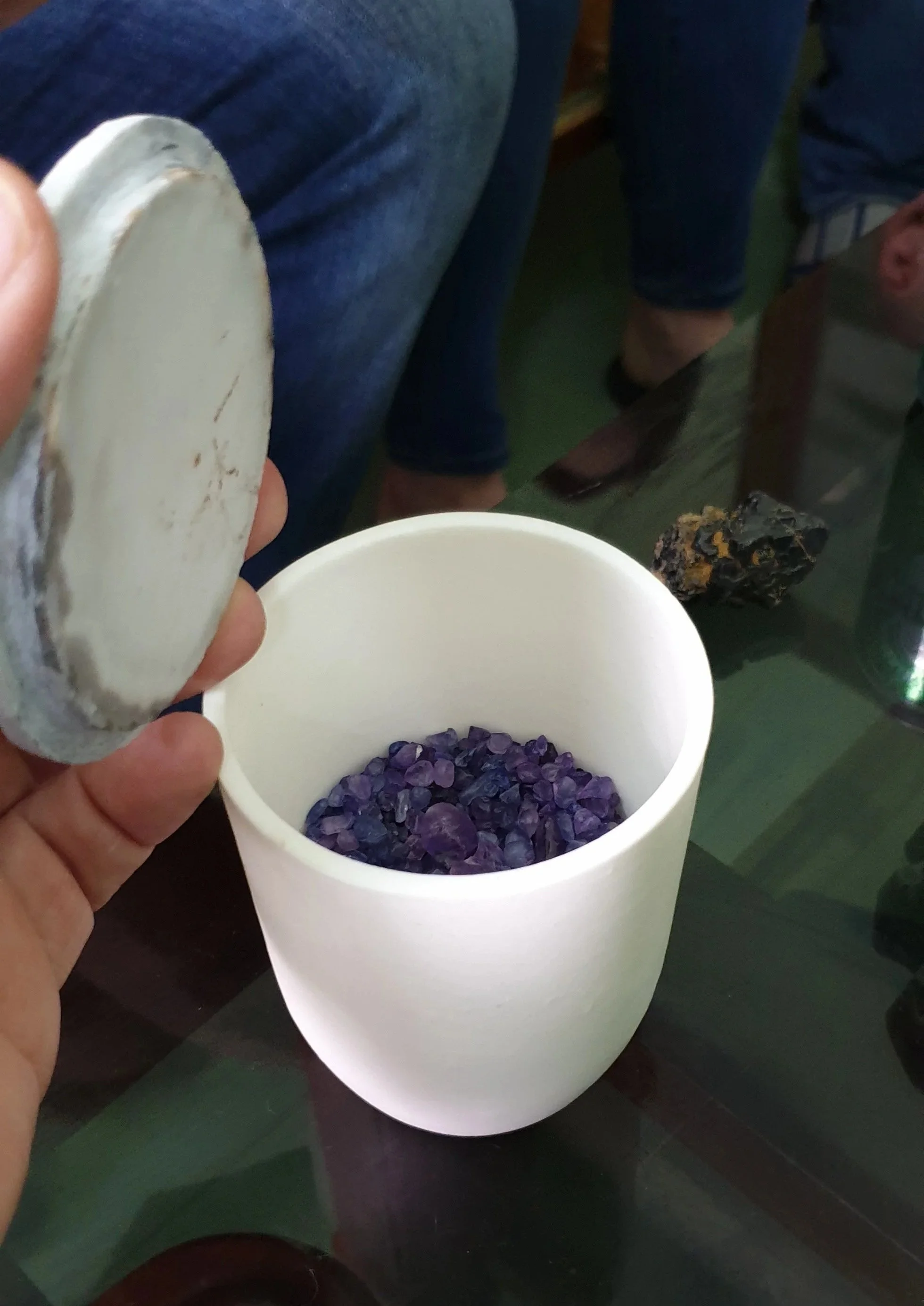
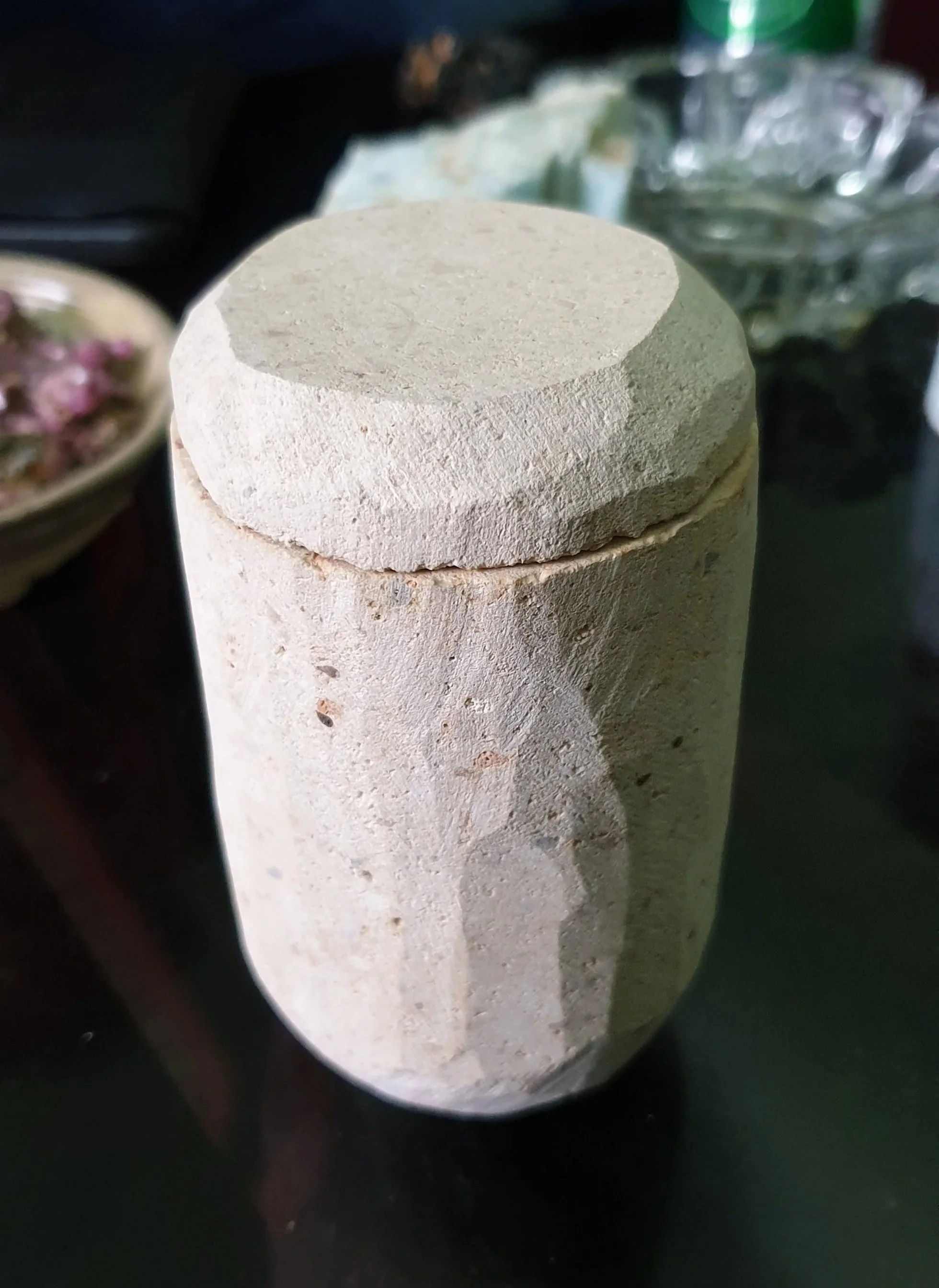
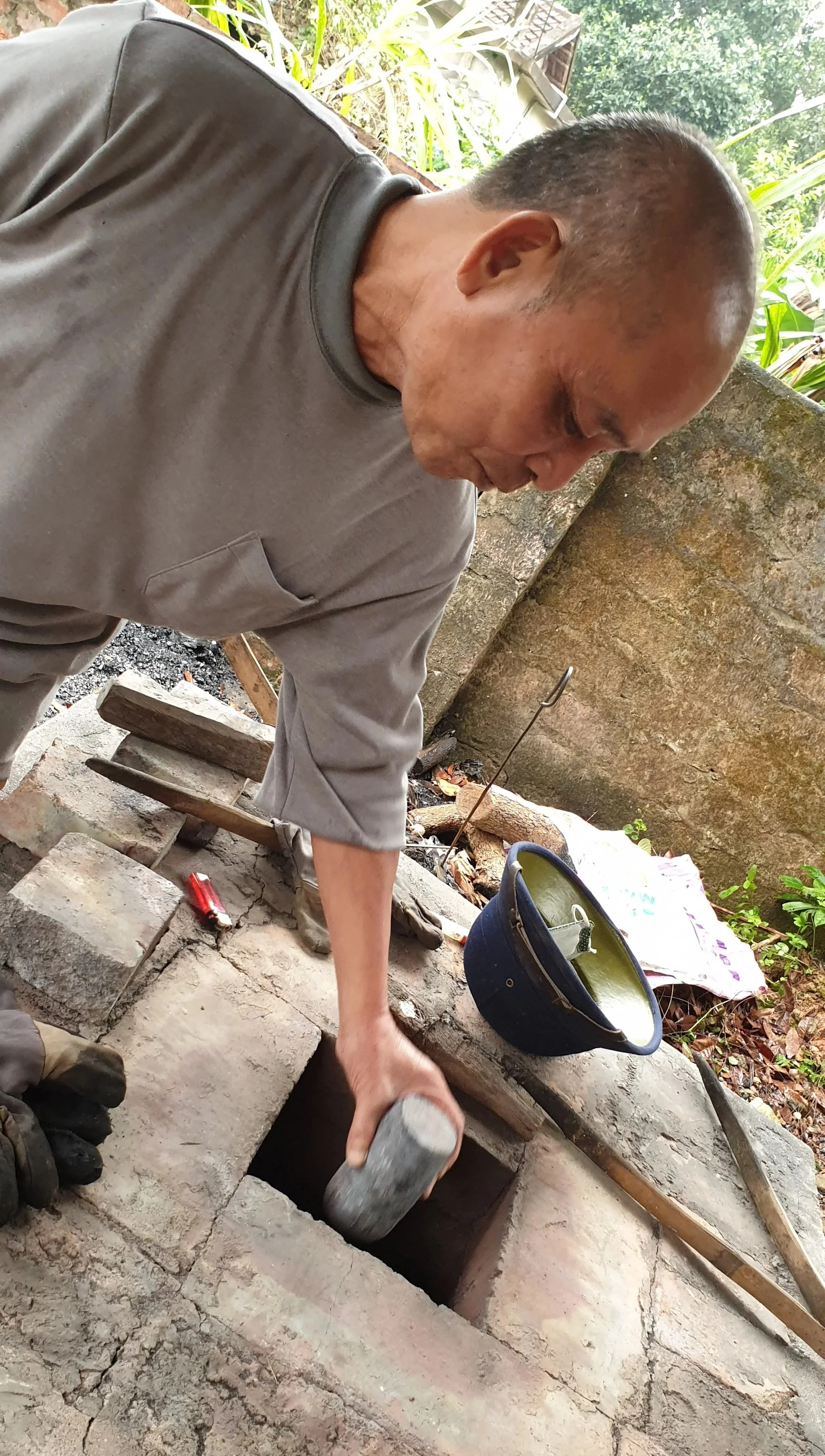
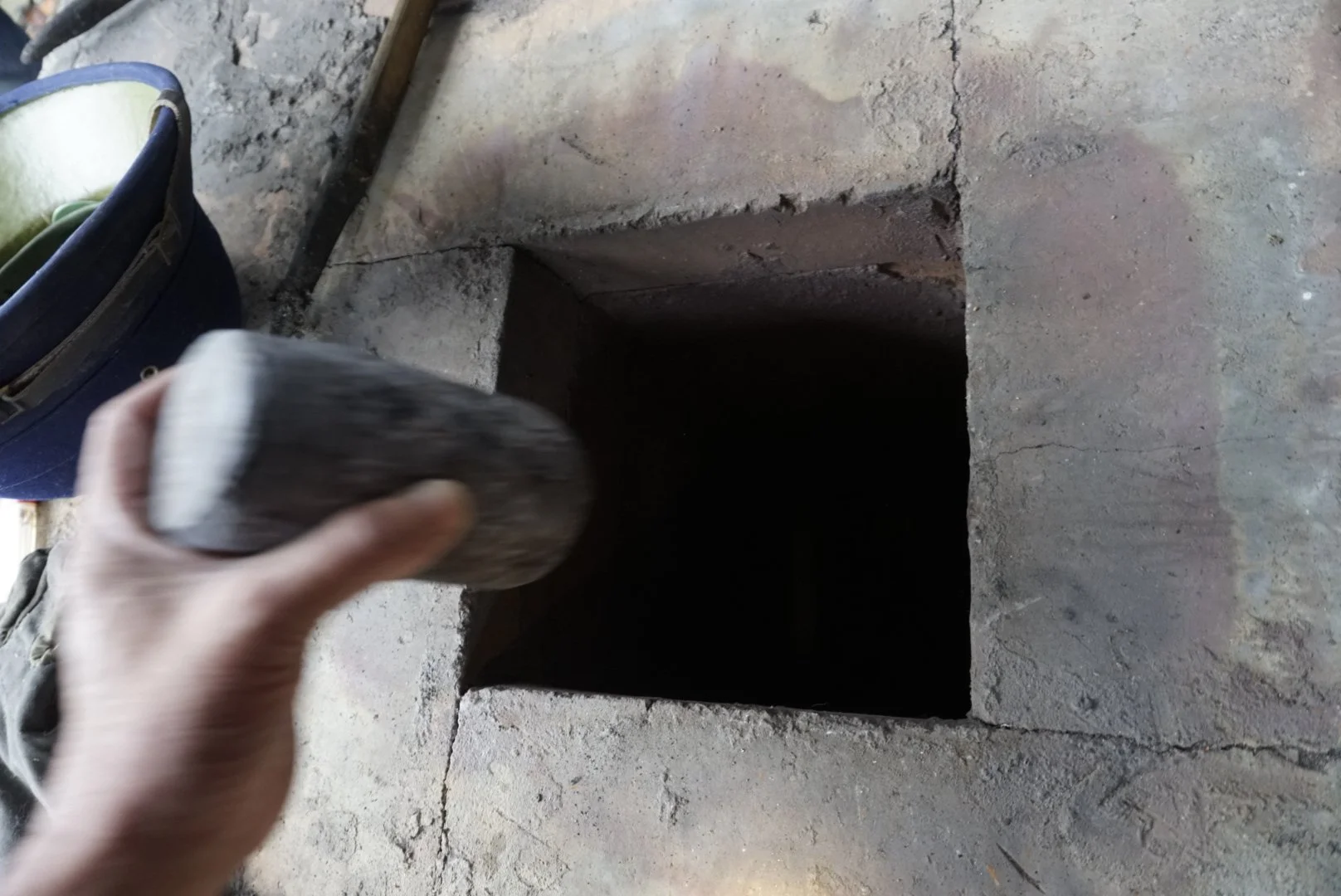
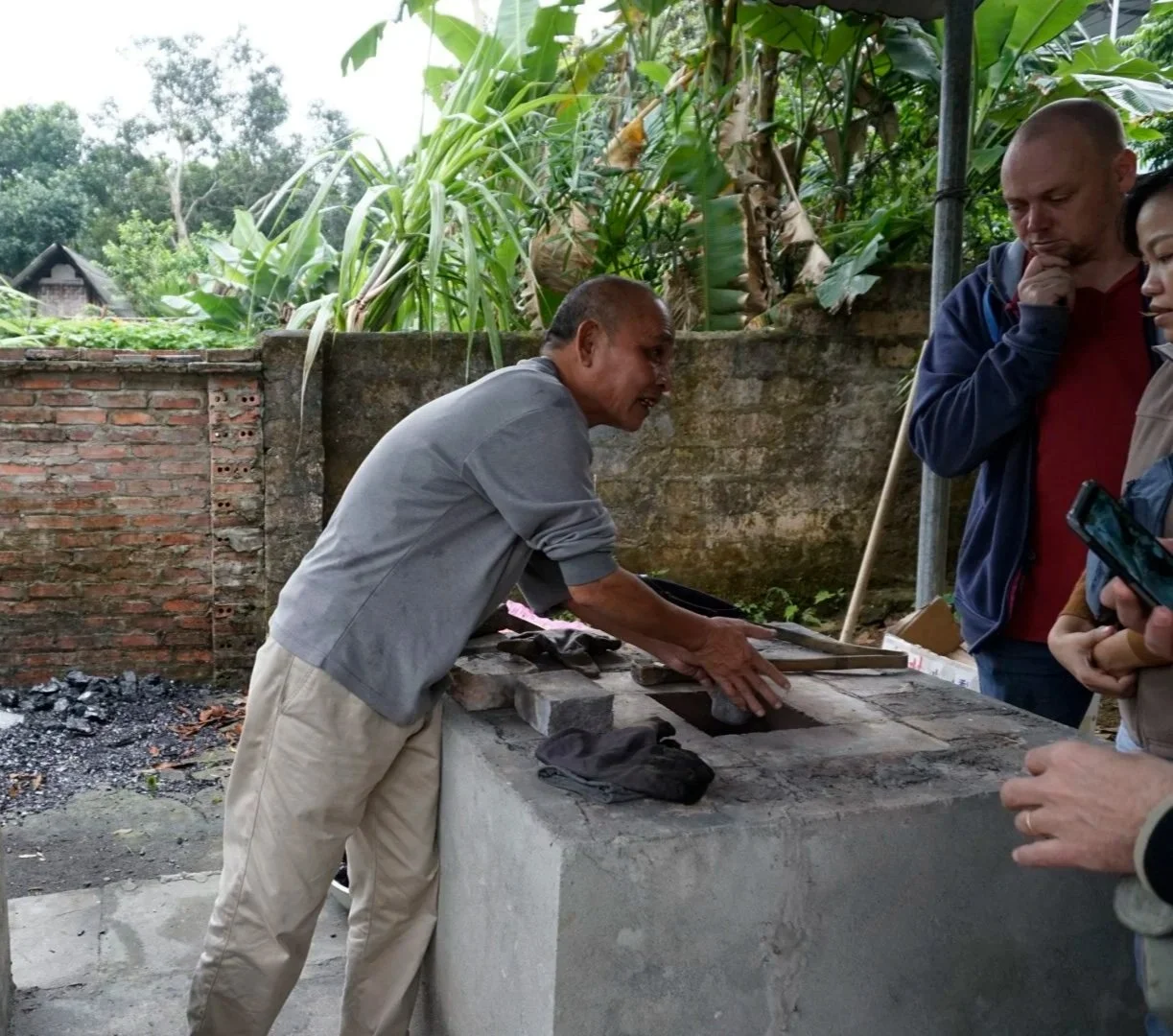
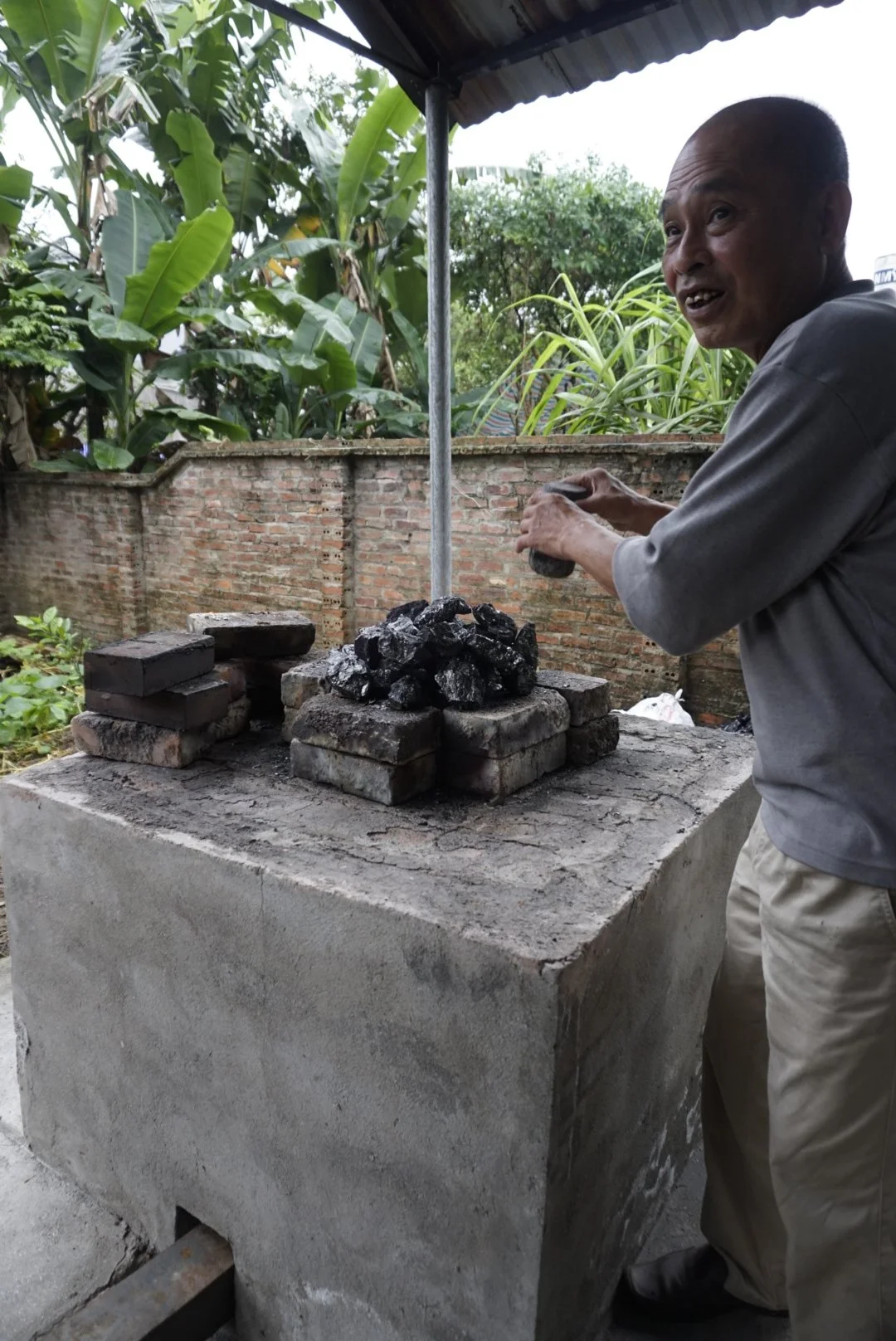
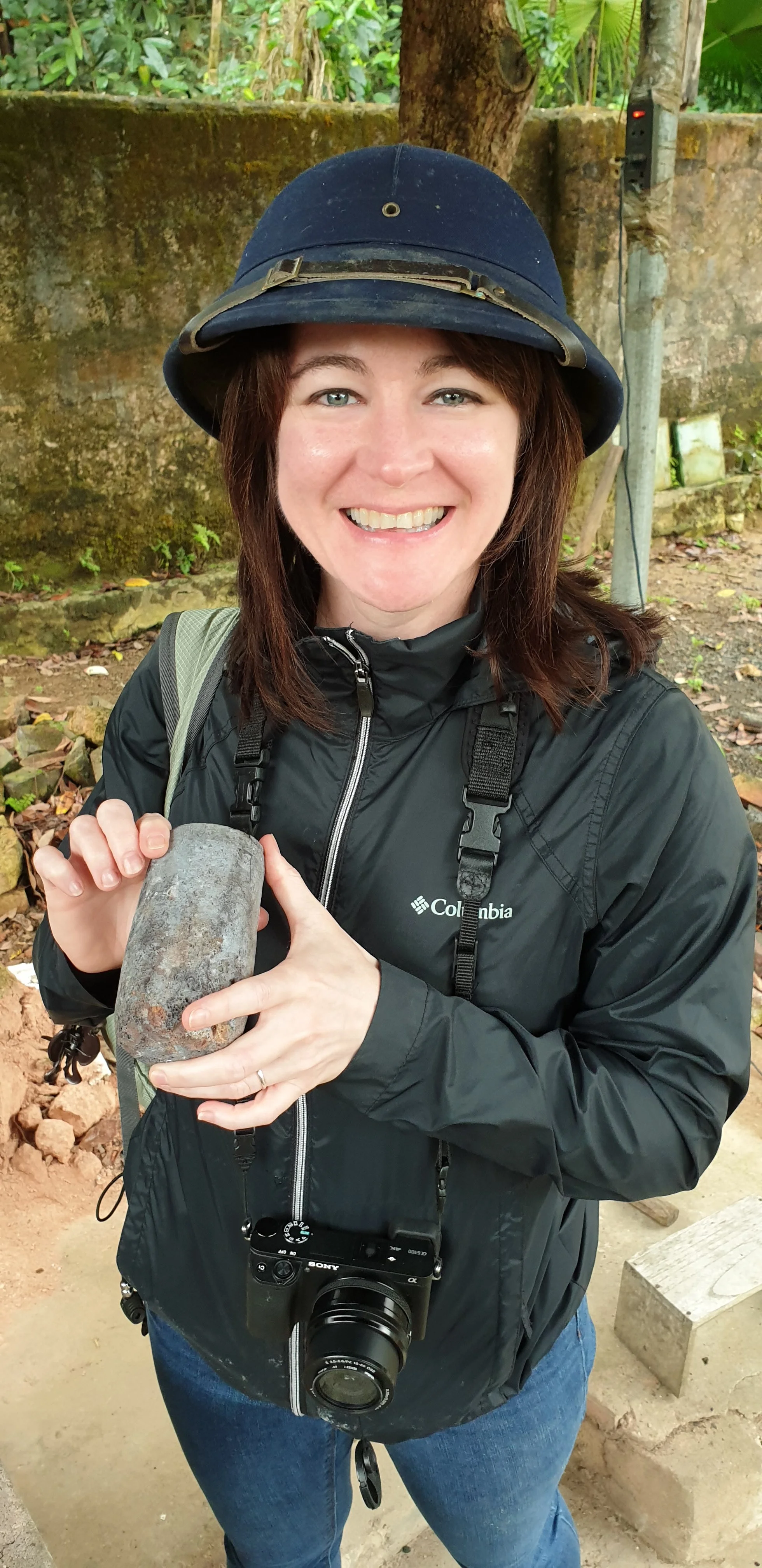
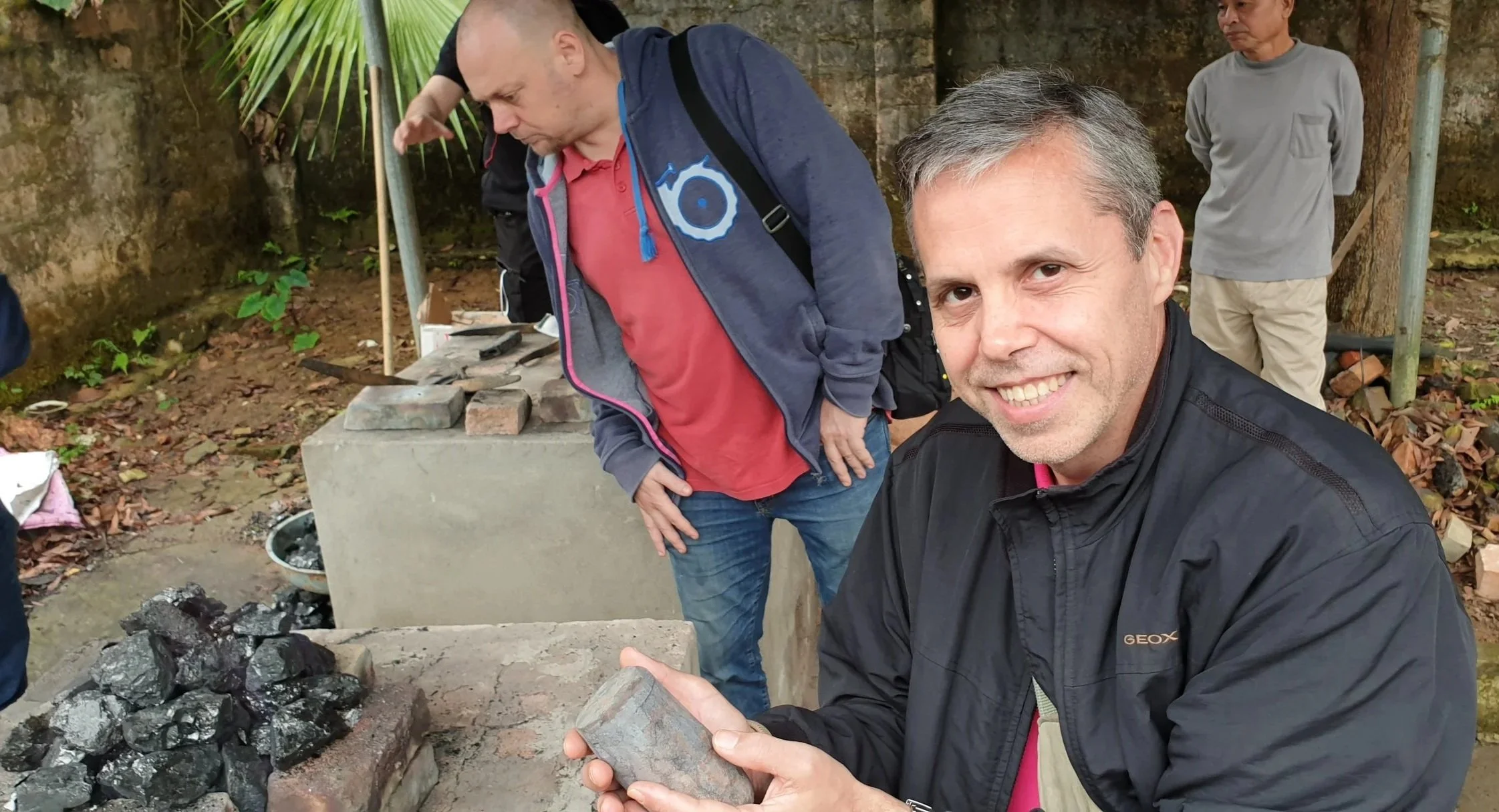
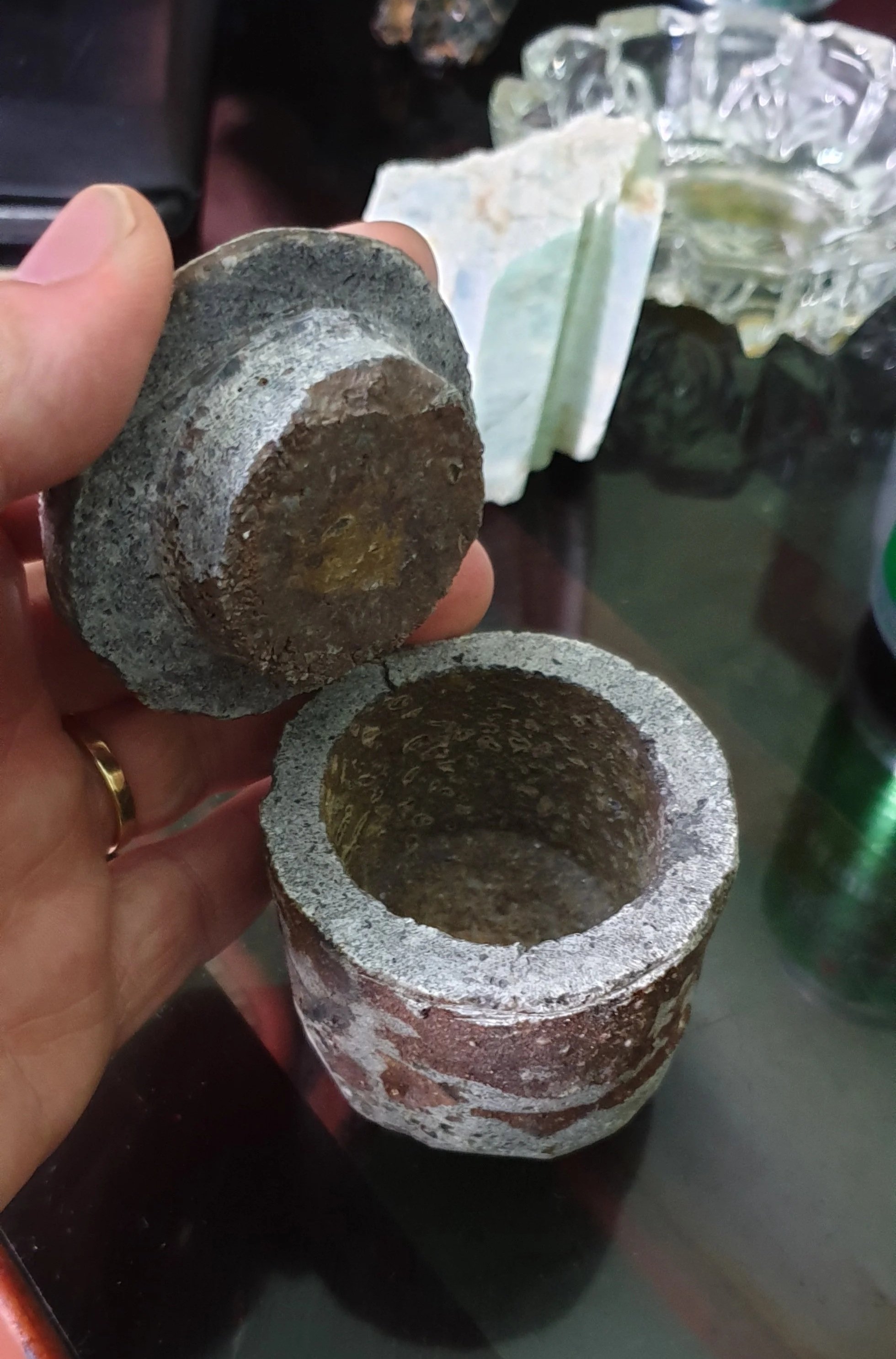
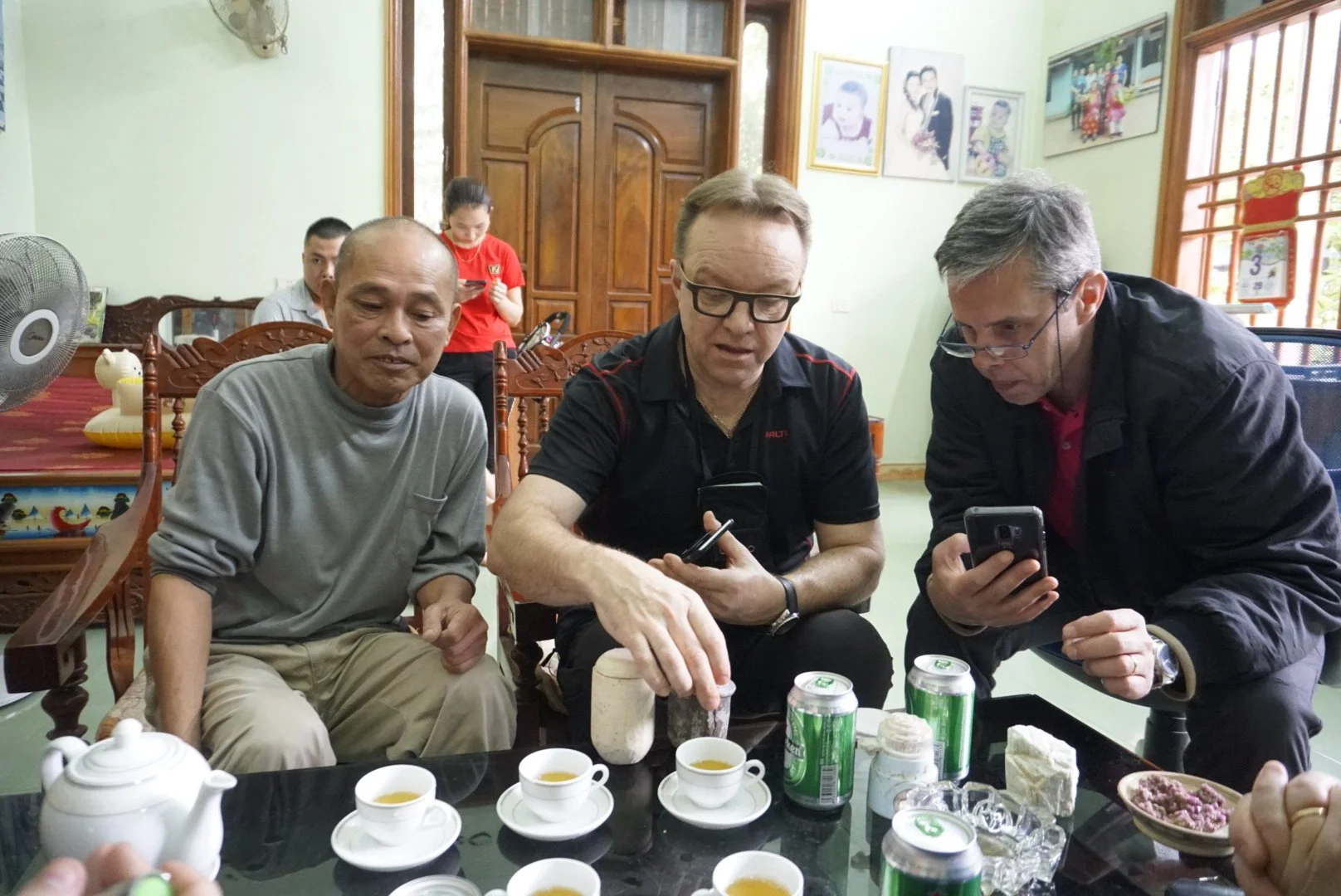
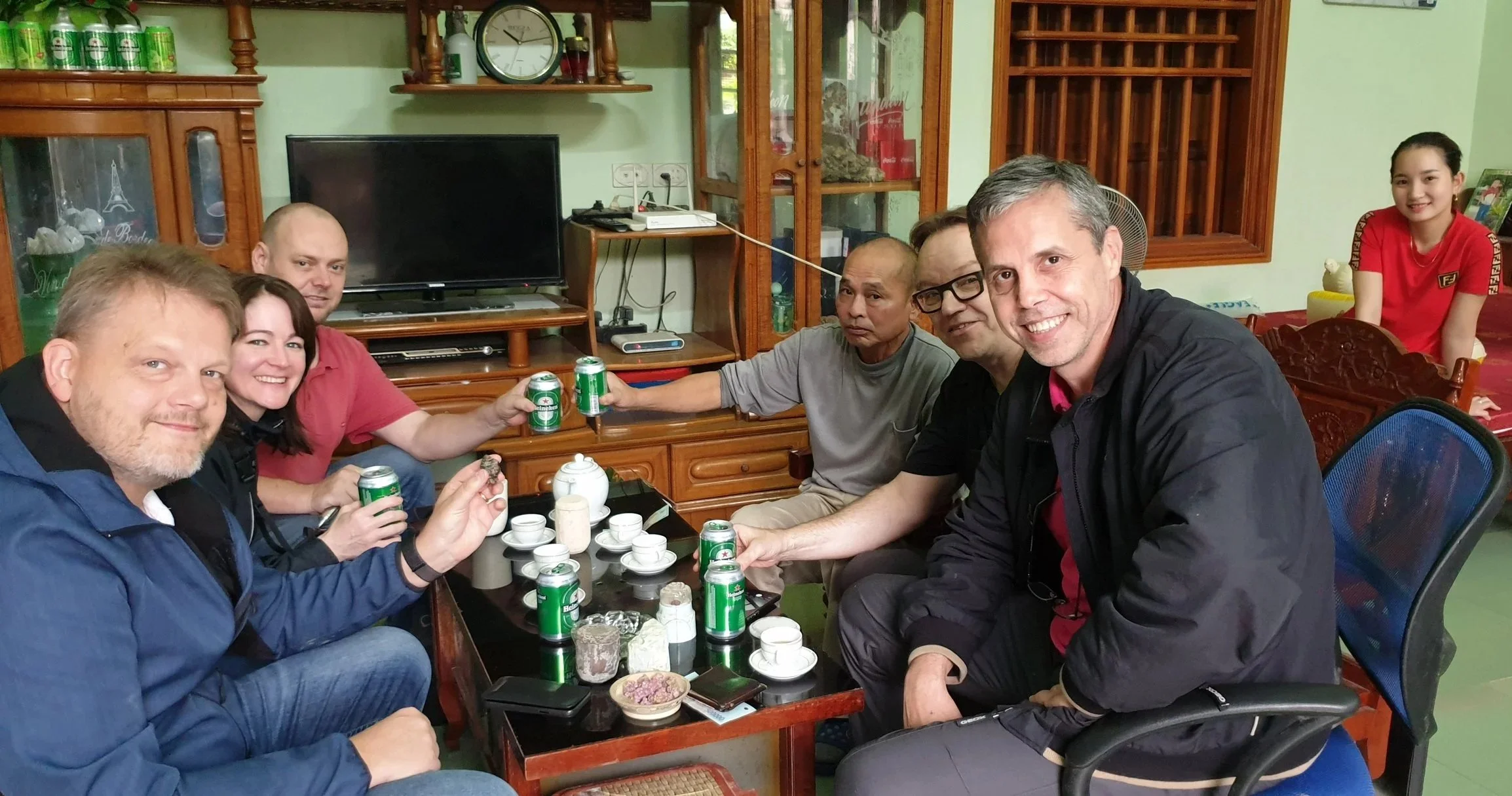
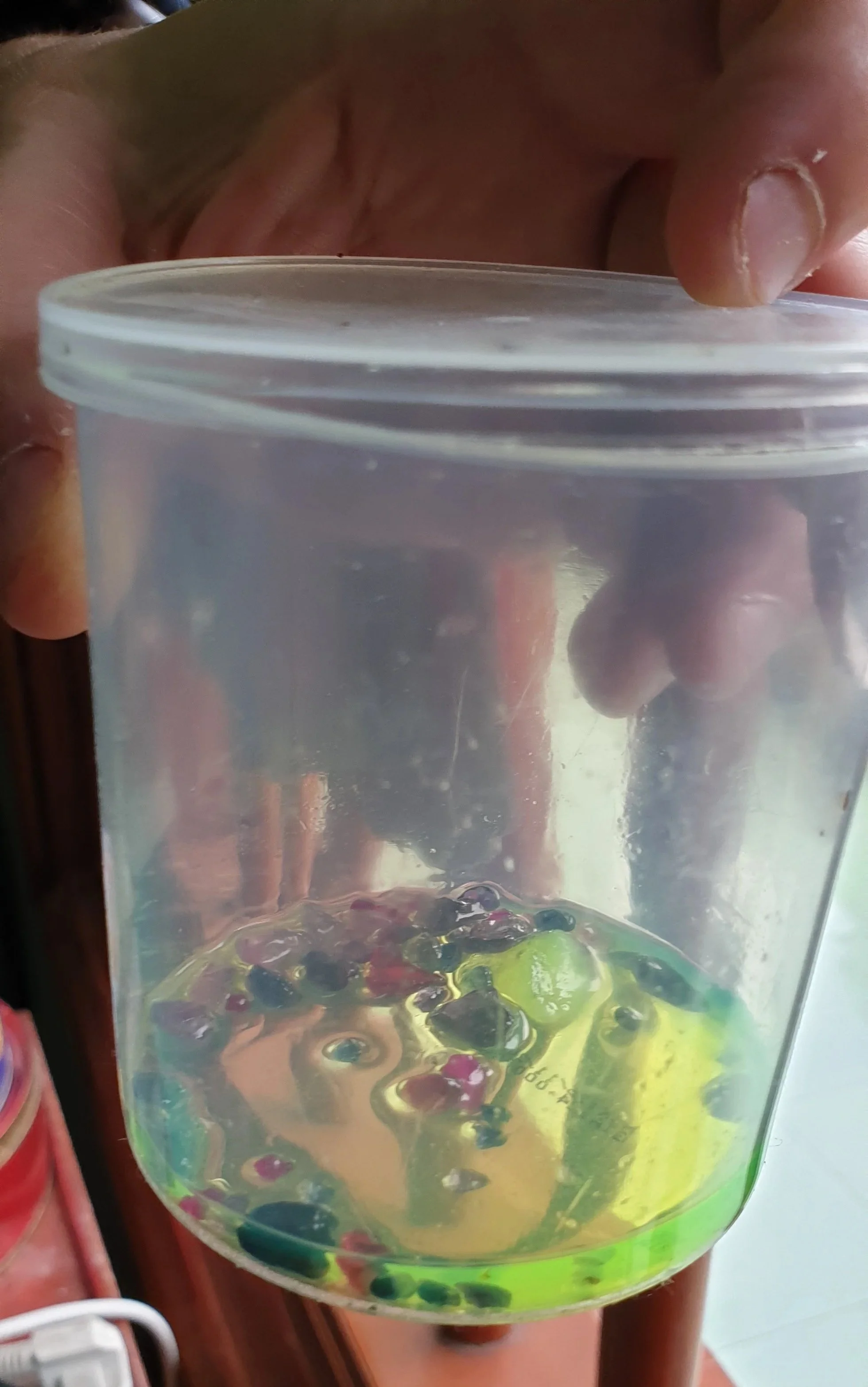
A Visit to a Local Burner
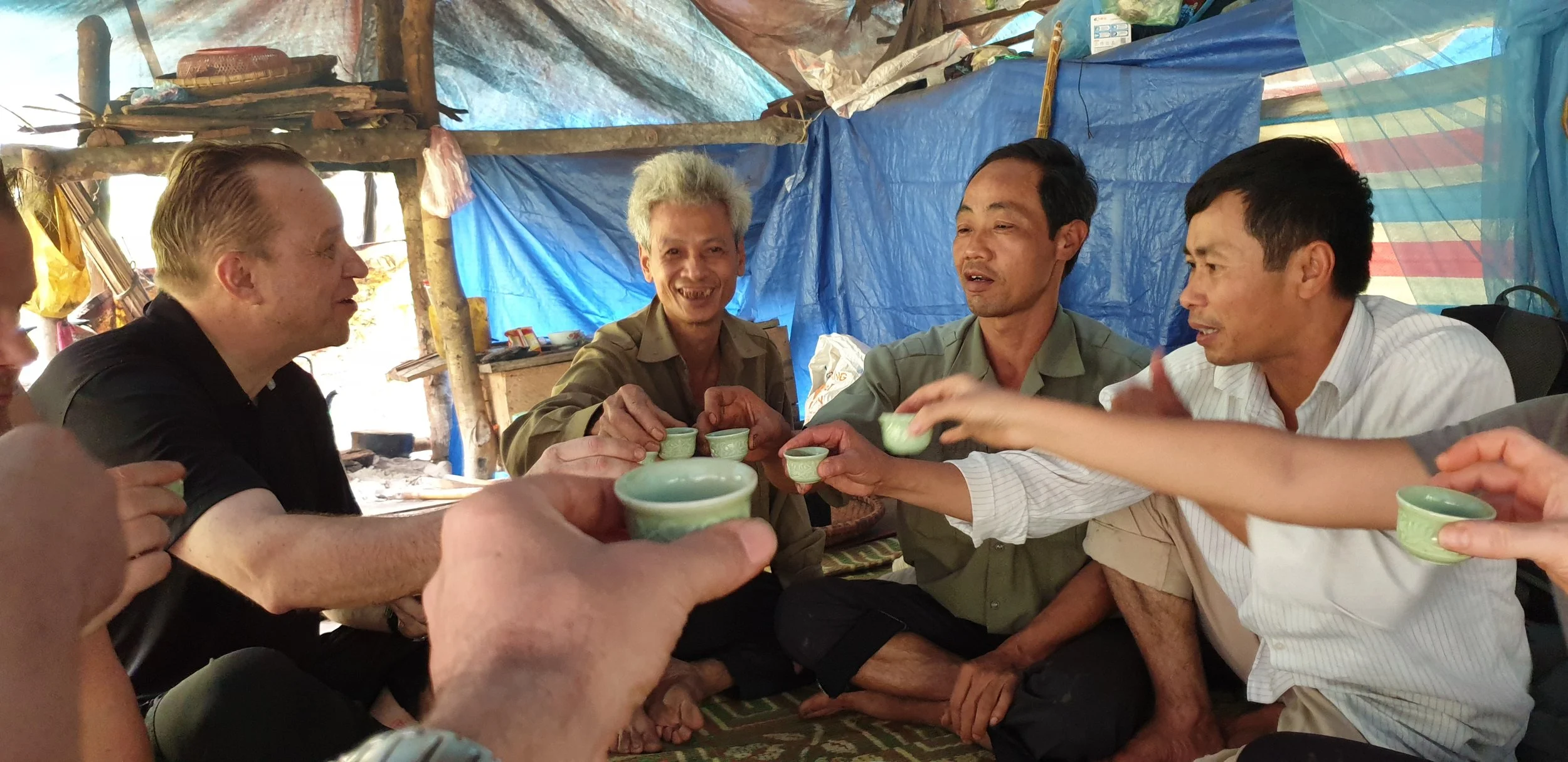
I am personally grateful to Geir Atle Gussiås and Mai Tran. To visit these places, it is essential to rely on those who know the area, its people, and local customs. Without their help, I could not have come to know in depth the extraordinary humanity and kindness of the local population.
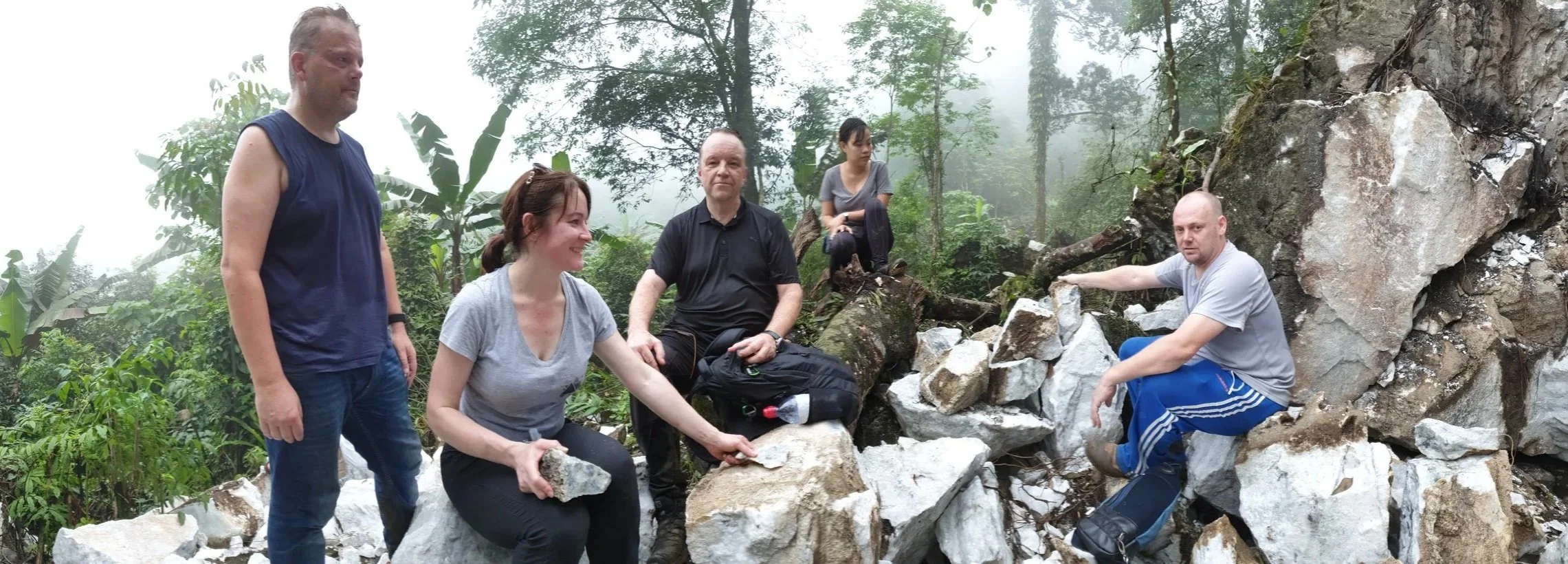
The top of May Trung